


 YouTube
 Apple Podcasts
 Spotify
 Overcast
 Castro
 PocketCasts
 Amazon Music
 Deezer
 TuneIn
 Podcast Addict
 RadioPublic
 iHeartRadio
 RSS Feed
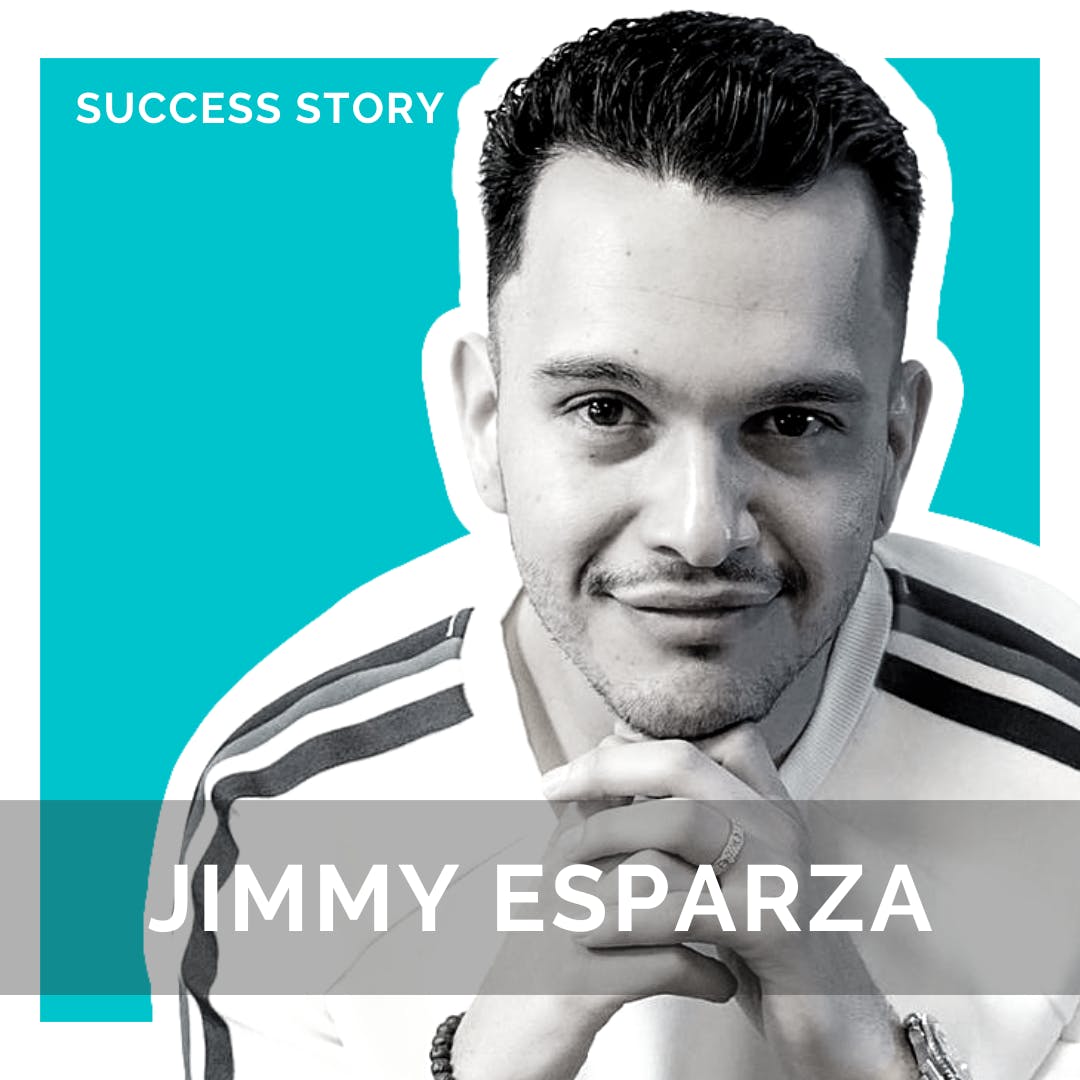
 Jimmy Esparza - CEO of Renewable Power USA | The Future Of Renewable Energy
➡️ Like The Podcast? Leave A Rating: https://ratethispodcast.com/successstory
➡️ About The Guest
Jimmy Esparza was born in Los Angeles after his family risked everything and emigrated from Mexico. After working for major companies in the solar industry in 2017 Jimmy created the company Renewable Power USA. Which has expanded to include several service areas with warehouses ready to serve its customers in Arizona, Southern California, Ontario, Dallas, North Carolina Orlando, and Miami.
Jimmy Esparza and his company Renewable Power managed to appear in magazines such as Forbes, Wealth Insider, American Weekly, and Inc magazine, entering the 44th position of its top Inc. 5000.
➡️ Show Links
https://www.instagram.com/jimmyesparzaofficial/
https://www.linkedin.com/in/jimmy-esparza-667b7b123/
https://www.renewablepowerusa.com/
➡️ Podcast Sponsors
HUBSPOT - https://hubspot.com/
MANSCAPED - https://manscaped.com/ (Promo Code: 20success)
SWAG - https://swag.com/success (Promo Code: Success10)
➡️ Talking Points
00:00 - Intro
03:02 - Jimmy Esparza’s origin story
07:15 - What impact did the struggle of Jimmy's family have on his thought process?
09:09 - Why did Jimmy start with a door-to-door solar job?
17:25 - How did Jimmy pivot from working for a salary to starting his own entrepreneurial venture?
26:03 - What were Jimmy’s first steps towards success?
29:51 - Is Jimmy Esparza a pure reseller?
30:26 - How did Jimmy Esparza find the right support to service customers and give them a premium experience?
32:20 - Where is the solar industry now?
36:00 - Do solar panels completely replace the energy being used from the city?
37:04 - What is the cost of solar panels and how do they help the customer?
39:57 - What will be the payoff if a person is financing solar?
41:52 - Jimmy’s thoughts on relying on solar without sun for a period of time?
47:27 - Are solar panels the best possible replacement for fossil fuel?
48:52 - What are the problems Jimmy faces as a CEO of a solar company?
50:00 - Do the big groups lobby on behalf of solar for more incentives for consumers?
50:42 - Who else is making innovations in the solar industry?
52:58 - Why is personal branding essential in Jimmy's opinion?
55:54 - What was Jimmy's strategy on day one of posting on social media and how did he gain confidence?
58:52 - Where does Jimmy Esparza want to see his company in the next 5 to 10 years?
1:05:34 - How can people connect with Jimmy Esparza?
1:06:08 - What are the 5 things that are keeping Jimmy up at night?
1:09:30 - How does Jimmy manage his time for his family?
1:13:46 - What was the biggest challenge Jimmy Esparza faced in his personal or professional life?
1:18:20 - If Jimmy had to choose one person in his life who had a great impact on him, who would that person be?
1:19:46 - A book or podcast recommended by Jimmy Esparza
1:24:32 - What would Jimmy Esparza tell his 20-year-old self?
1:25:32 - What does success mean to Jimmy Esparza?
Advertising Inquiries: https://redcircle.com/brands
Privacy & Opt-Out: https://redcircle.com/privacy
Welcome to success story, the most useful podcast in the world. I'm your host, Scott D. Clary. The success story podcast is part of the Blue Wire podcast network as well as the HubSpot podcast network. HubSpot podcast network has other great podcasts like marketing made simple hosted by Dr. J.J. Peterson. Now marketing made simple brings you practical tips to make your marketing easy and more importantly make it work. If you like any of these topics, you definitely want to go check out the show, how to write and deliver a captivating speech, how to market yourself into a new job, how design can help and also hurt your revenue, creating a social media ad strategy that actually works. If these topics resonate with you, go check out marketing made simple wherever you get your podcast. Today my guest is Jimmy Asparza. Jimmy was born in Los Angeles after his family risked everything and came over from Mexico after working for major companies in the solar industry since 2017. Jimmy created the company Renewable Power USA. Renewable Power USA has expanded to include several service areas and warehouses ready to serve its customers in Arizona, Southern California, Ontario, Dallas, North Carolina, Orlando and Miami. Now Jimmy didn't just build any other Renewable Power company. Jimmy built Renewable Power USA to the point where it appeared in magazines such as Forbes, Wealth Insider, American Weekly and Inc. magazine entering the 44th position of Inc. 5,000, the 5,000 fastest growing companies in the USA. So I sat down with Jimmy who spoke about his entrepreneurial journey. We spoke about some things to do with solar and renewable energy. We spoke about replacing traditional energy sources with solar. We spoke about how the solar industry has evolved. How he's basically been on the bleeding edge of the solar industry ever since he started Renewable Power USA. We spoke about whether or not solar can even replace a 100% of existing power options. And then we spoke about business. So how did he differentiate himself? How did he grow his company so successfully and hit the Inc. 5,000 list and hit pretty high up on the Inc. 5,000 list. We spoke about building an award winning sales team. Some of the strategies he uses to close deals, which obviously allowed him to successfully scale his company. And then we spoke about how he used community niching down and customer service to succeed at sales. Something that we may not always explore, but some different strategies and some tactics that he used to build a multi million dollar renewable energy behemoth. So let's jump right into it. This is Jimmy Asparza. He is the founder and CEO of Renewable Power USA. So a little bit about myself where we come from, I come from actually my family is from Mexico. My mom is from Tijuana, Mexico. My dad is from Sinaloa, Mexico. And a little bit of their background. My dad comes from construction. So he's a construction worker, a labor worker. My grandpa from the side of my mom, he was a business owner. He used to have a body shop in Mexico in Tijuana. So I never actually, I met him once when I was a baby, but then I can't really recall too much about him. So it was a small business. We didn't really have a background from scaling a multi-million dollar business or nothing like that. I would just hear stories from my mom talking about, yeah, your grandpa was so cool because he's own business. And then when I was and then as we grew up, my mom crossed with legally to the United States, but my dad and my grandma his mom actually crossed legally to here to the United States to obviously find a better opportunity compared to how it was in Mexico. Why'd that have to do that though? Why could one cross legally and the rest couldn't? I believe the reason that they took that initiative is because my grandma was running away from my grandpa. I guess it was like a chaotic situation. She didn't want to be in that position anymore. And he walked away as well. So she needed to race in two kids. So it was tough where she was from. It's a small village in Mexico. So there was work opportunities, but it was just extremely hard for her to race two kids. So all my respects to my grandma, honestly, I loved her and she's such a hard worker. So she made the decision, somebody asked her, do you want to come and work out here in the United States? And you could really raise your child's and provide for what they need. And she decided to go. Just risk it and go. Yeah, yeah, she decided to make the risk and come to the United States. And then as she started, like she literally became legal and then my dad did as well. My dad lived in Mexico and then when he was older and he was able to actually work, then he came to the United States after my grandma. And this was in Los Angeles, California. And that's where he met my mom. So that's my mom came across from Tijuana, Mexico. And that's where they met. And that's where I was born, actually. Amazing. So that's why. So that's why you're your dad and your grandma. That was pure risk. It was pure risk. They didn't know like what was going to happen. What was going to end up. It was just trying to make the best decision for the family at that point. Absolutely. She was in a point where it's like, I have two kids and I'm responsible for them. So I don't see a way where I could really give them what they need with the jobs, opportunities that were there. So it's smaller. I mentioned it. It was to town where it's in the mountains. There's just a few things that you could do there. And she really wanted the best for them. So she had to make the risk and just go for it. And so what's the opportunity once you get to LA? So what do they do now? So she was working in a manufacturer. I believe from the conversations I have with her, she was used to work with Ila Caz. So it was like, you know, the Polish. So they were actually manufactured some of their clothing and other brands as well. So she was in the manufacturer area. And then and then my dad was once he was able to work, he was making, they won't make, it was manufacturing as well that will create parts for airplanes and helicopters and all this stuff in them. And Los Angeles when he was able, when he was around, like, I will say like 22 years old. And then that's where my mom and dad actually met, you know, the do now, like learning this story, the did it impact, um, did it impact you at a young age in terms of understanding the opportunity that you had and and how you wanted to carve out your career and the different things that you wanted to try out. Like when you hear the story of somebody risking their whole life to give you the best possible opportunity, what is that imprint in your mind? 100% man. And I could, I could remember this conversation I had with one of my family members, actually my cousin and now, and we were discussing how, you know, sometimes in business things are rough, right? You know, we, at that time when I had that conversation with him, we were doing door-to-door sales, right? So it's like, it's tough, right? It's not easy. And we just, I remember having a couple of drinks and we're just like, hey man, like, you know, it's, we deal with customer, we deal with building a team, we build with, you know, some of the business aspects. And I don't want to say complaining, we're just discussing, you know, some of the issues and it was a, you know, and it was tough. And I now remember, like, going back to, you know, to, to the history of our family tree, and I remember I had a conversation with them, I told them, hey man, like, to be straight up, to really straight up with you, like, I think we're just whining and we're complaining because we go back to, you know, to look at our family and what they actually went through to actually just, for us to be, to be from the United States, you know, like, it's, it's insane. And for us to be sitting here down and talking about like, oh man, things are tough, things are wrong. It didn't close the sale while you're over drinks at the end of the day, right? Exactly. Yeah. Yeah. Absolutely. So yeah, you know, I think I go back to that story and it's like, man, like, you think you have it tough? Like, no, you know, like, you get your ass to work and, you know, put in some work and stop complaining, you know, and get it done. So I think that's something that, that does push me and, and it gives me like a reality check when I think things are, you know, a little complicated and it always sort of, it always centers you. Like, like, say, first of all, door to door sales, by most people's standards is all like the hardest job you could possibly do. But I think it's because a lot of people were born not from hard circumstances because to have the, to have the, it's so, it's so incredible. Like, or you think about where your grandma and your dad came from, and what they risk. And now, like, the risk that you're having at your age is like, and, and with your business, it's not like, should I change countries to save my family? It's like, okay, should I put X, you know, hundreds, thousands of dollars into this campaign or that? And it's completely, it's, it's a 180. And it really is, it's a, like, it gives me like, it gives me like goosebumps to think about, like, like, some of the things that other people went through. And I don't come from this background. So I can only, I can only commend because I don't have the experience. But it's, it's very, it's, it's, it's a, it's incredible. It's, it's absolutely incredible. How, as you, as you went out into your career, you started, you started with door-to-door solar. Why, why in the world would you ever take a door-to-door solar job? That sounds like a horrible. It sounds like a really shitty job. It is, man. It is. Honestly, it's not the most appealing job. You didn't, you didn't, weren't born. You're like, oh, I want to, I want to graduate high school and college or whatever and go, go, go door-to-door selling solar panels. Yeah. No, absolutely not, man. That was not my dream. I thought I was going to be like, you know, like this iconic, maybe like I was going to be an artist and I was going to sing, like my brother taught me a couple of things in music and, you know, so like, like most of people want to have, right? Like this fame and all this stuff. But the main reason I actually joined door-to-door sales is because I didn't have too many choices. You know, as we go, we go further on the story from the background. I did go to college. I did go to community college to study business, but I had to pay for my own college. I remember the story where, where actually my mom took me to university because I wanted to learn business and I was like, yeah, you know, I wanted to share a little bit more about business. They give me a grand tour of the university and I was like, oh my god, yeah, this is the place, right? And I remember when, when they told my mom the price, there was a hundred and something thousand dollars and my mom just looked at me and she's like, she's like, nope. You know, I was like, whoa, and that to me was like, like, what do you mean? Like, what do you mean? I'm not, no, like, I'm trying to do something good for myself, you know, and try to educate myself so I could have a better future. And she's like, no, I mean, once she was really straight out, like, I don't feel like you're responsible enough that you're going to graduate. You barely graduated, you know, through high school. And which I felt like it was a little offensive at the time, but then I was like, you know what, I understand my mom. And then so it's like, wow, so I guess I don't have a choice to go to university as of right now, right? So, you know, so I didn't have too many options. And I had to build my way up. I had to build that street credit, right? Which is in business is like going to sales, understand sales as much as you can and go through the experience and go through that corporate ladder as much as you can. And during the time this opportunity presented to me, I wanted to make more money. I was at the moment I was making, I was making 30 actually two grand a year. And I remember looking at a magazine for homes. And I was like, wow, man, like a quarter of a million dollars homes, half a million dollars. And I was like, I'm making 32 grand. And I think I have a quote unquote good job, right? Like, I was like, I built my way up to being a supervisor. And now now 32 is like, barely kind of forward to live, right? Yeah. It depends on where you're living in the US. But like my God, that I always wonder, like I always wonder how people survive in maybe I don't think they do. I mean, I don't think they do. Like I know just a point. So in Vancouver, again, this is sort of Canadian reference, but I know it's a big issue. So if you have a city that has incredibly high real estate prices, what's happening in Vancouver right now and Vancouver is on par with like New York LA Miami in terms of inflation for real estate. So you have city cores and you have all like entry level jobs where you'll have like servers and like people that work in retail and whatnot. They can't staff the jobs because the people that work for those jobs can't afford to live within commute distance to the actual city core where those jobs are actually located. So now you have now you have now you have like an actual employment problem because nobody can afford to work those jobs. Nobody can afford to live in proximity to actually work those jobs. So 32 is like, yeah, it's it's it's virtually nothing with how prices are in any major city and even in smaller cities. So you're making 32. You're looking at a house for 250 to 500, which is still like now a steal. If you look at what's happening. So you're like, okay, this isn't going to work. So you want to go work in sales and make good money there. Yeah. So I you know, I heard from this door to door guy that knocked on my mom's door and he was trying to sell her the product and it's like, hey man, at that time I was looking for a job as well because like, man, I got to get out of here. I used to work for a prison actually. So I was there to be a cost center inside of this prison that I used to you know, work at and I was literally in a prison and making 32 grand risking my life, right? It was it was funny. That's that's a whole different story. But and I was I was like, man, I got to look for a different way like I cannot survive and build a family on 32 grand, right? And this guy came to my mom's door and door knocking with shorts faded hat, you know, working for a sort of city Tesla, which is now a Tesla and I came and it's like, well, how about this? Well, how about I get your job? I was like, are you kidding me, man? Like I still go in a tie to my to my other job, you know, and a cost center, you know, nice tie and tucked in. I thought I was all cool. I was like, man, I'm going to go door knocking like it's not appealing at all, you know, like whatsoever. And he's like, well, it pays pretty well. And I was like, okay, so what is, you know, what is pretty well? Yeah, what is pretty well, right? Like, well, how much we're talking about? And I did the whole wolf of Wall Street top of the thing where it's like, okay, all right, man, like, and he was hyping it up, you know, it's like, man, it's so exciting, this cool, this company is so cool. You know, Elon Musk is a chairman. And I was like, I don't even know who Elon Musk was at the moment. I was like, I mean, I don't care, man, I was like, what the hell is that? I don't know. But it's like, well, you make money or not? He's like, yeah, it's like, yeah, it's okay. Let me see a paste up. And it showed me a paste up 70 grand, you know, so at that time, I was like, all right, I blew up. Yeah, my boss, boss, boss. I think that's what he made. Because I remember, as an assistant, I was a assistant manager, you know, some of my duties were to do some paperwork. And I remember I did a, I scanned his W2 form, you know, and I seen 70 grand. And I was like, oh, shit. So I got an opportunity to actually make, you know, more than, you know, the director of the place that I was working at. I was like, wow, I was like, let's do it. When did you get me an interview? You know, so, I mean, I was like, so at the time, I was like, it was way beyond the job being, you know, like an appealing job or something where, you know, something where I didn't really think about, it's my mom going to be proud of this or my friends are going to like, you're just falling the money at that point. I was a money man. It was like a guy needed it. I needed it. And I felt like it was a good product too. I think that was a big point too, because I pride myself on the things that I used to, that I saw, and like I was selling. So I was like, it's a good product, technology. I was like, it's technology space. I was like, okay, it's evolving. I was like, okay, it kind of makes sense. But I mean, the money, it sounds great too. You know, so that's how I, you know, really got into it. And that's one of the first things that drive me towards like taking that door-to-door job. Because I didn't have any other option. I didn't have, also I didn't have a degree, you know, like I'll call it drop out, you know, from business. So as I don't have a degree where I'm going to get hired right away with the good salary year and plus commission and things like that. So I was like, hey, it's either this or I don't know what else is going to be as much. You know what I mean? How did you, so it's funny, because at that point when you were like, it's this and I don't know what else, that's like a very traditional mindset. That's not an entrepreneurial mindset. That's where most people just figure, okay, so how do I find the best possible paying job? And that happens to like most people. I think the COVID has forced people to think outside the box because of layoffs and furloughs and the job that they thought was safe was no longer safe. So now I think people are thinking outside the box and trying to diversify and maybe get like side hustles or more entrepreneurial. But you didn't, you didn't start thinking like that. So as you're working this job, if you continued on that path, you'd be like, okay, how do I find another job that pays more? How do I move up the ranks? So how did you pivot that mindset from working for somebody funding the best possible salary to, which always will have some sort of cap on it to, I want to start my own company in this space. And I know the things that I have to do and I have to execute this and it, and eventually it's all worked out. And now I think it's over you. 44 on the ink 5,000 one year, right? So that, which is like, that's a huge, that's a huge, completely different person that hit that 44th rank versus the person who took the solar panel sales job. Absolutely. So evolution of you in solar. What, what, what was that path? Yeah. So, you know, at the time, honestly, I was 20, the one years old. And I needed some money, but after when that, when my ship, this chip came up right and I was like, Hey, you know what? I feel like I want to actually create my own business. I guess it comes from, it came from my mom too. Like I think she engraved that into me like, Hey, you should, you know, open up your own business. So I always had that and back in my head, I just didn't know how, right? I'd never had an investor. My mom was a, she was a, she was an employer of the business, which she really, she didn't really scale the business. But she did give me like the visual. It's like, you know, you kind of have your own time and stuff like that. So once I, once I got to six figures, like doing door to door, and I had some capital and that's very along the day. It took me like, took me like seven months. So it didn't take shit. Yeah. That's actually really quick. Okay. All right. Yeah. So, you know, once I started making, you know, some, some good amount of income in my eyes right at that moment, I was like, Oh, shit. So I got some extra cash. Yeah. I got, I never seen this in my back account. So it's like, now I started thinking like as an investor, right? So what am I going to do? Like I want this to keep on, I want to keep on, you know, creating this top of income or even better income. So what should I do? And that's where I started to get into like self development. Really deep. I started reading tons of books and you know, that really transformed, transformed like my mindset. One of them, the first one was a secret. I'm sure like, yeah. I was like, one of my basic one is like, really, you can really want, you know, you can really like set a go and you can really actually accomplish it. And if you really believe into it and you put the right actions, you sounded pretty crazy, but you know, not that time. But it's like, I got believed into it, believe in myself. I had some income. And I just started to set those goals. I was like, I'm going to create my own business. I don't know how, I don't know how much money is going to cut, how much, how much money I never really went through all those, you know, those details in it from a business, right? Which it was, you know, which I'm grateful and I'm glad I really, I didn't really get too much into those numbers because it would have evaluated all the whole thing. Like I would have never done it. It would have scared you. It would have scared you. Yeah. It would have like, it was like, dude, like, what the hell are you thinking about? Just go ahead and, you know, create and make a quarter of a million just selling and, you know, and that's it. I love that. I love that. I love that. Sometimes like, like being naive actually enables success. And I actually think that's actually a really smart point. Like sometimes, like a little bit of, because nothing's ever going to work out the way you want it to work out. And nothing's ever going to be 100%. I think that almost going to a little bit of like, like what's the, what's the word? Like you're just like the bright eyeed and bushy tailed or whatever the saying. It's just like when you like look at something very optimistically versus pessimistically. And I think that that's exactly what you do. And it's actually what you have to do to be successful because if you ever evaluated the risks required to be successful, I don't like anybody would ever build their own thing. I just want to take a second and thank the sponsor of today's episode HubSpot. Now, baking a pie, taking candy from babies, both things that are theoretically easy, but anyone who's ever made a pie from scratch or attempted to pry a lollipop from a screaming toddler knows that these things are in fact very difficult. But you know what is easy integrating, automating and scaling your business with HubSpot. The HubSpot CRM platform seamlessly transforms customer data into usable insights, like what's the average time it takes us to respond to a customer service request and how can we get better at it? The HubSpot service hub brings all your data and support channels into one place. So your team can spend less time hunting for information and more time delighting customers. Plus seamless connectivity with marketing and sales hubs means every person on your team has a crystal clear picture of your customer, easy as HubSpot. Learn how HubSpot can make it easier for your business to grow better at HubSpot.com. So you have to have that personality as an entrepreneur. Regardless of whether or not you manufacture it, or it's just because you haven't put as much thought into the thing as you need to, I think that's what it's actually led to success sometimes, but you jump into it. Okay, sorry, go ahead. Yeah, no, yeah, I did totally just jump into it and I said, you know, I think I have what it takes, you know, I love, you know, dealing with people, I love to talk to people. I loved and in my previous positions, I was always in a, you know, I was a starter in sales and then they promote me to be a supervisor and manager. So I've done some of some of the, you know, dealing with people and managing people and coaching people. So I was like, yeah, I think I'm pretty good at it. You know, I think I've, you know, developed a few teams and, you know, helped them grow and help and, you know, transfer some of my skills to them. So, you know, I like that side of the business. So I was like, okay, that's what I have to do in the beginning. Then I'm, that's what I'm going to be doing. Just, I've already been doing it for, you know, for a few companies I could, I think I could do it for myself. And then I was, I mean, and I think I will, you know, to me, it's, you know, I believe a lot in God too. I was like, I think it was a right time and he opened up a door for me as well at that time. I met one of the, at the moment right now, he's one of the biggest installation companies in the nation, you know, as far as solar goals. So they had like a year and a half in business when I met him. So they were not as big as, you know, they are right now. And they recruited me off of a sort of city, which it was, it was Tesla at the moment already is already bought off my Tesla. So, and I was like, you know, what I think I'm able to do this. You know, there's some things I don't like. There's some people that like I recruited a bunch of people, family members, cousins and to sell to sell. Yeah. So there are some things that this guy, some issues that they've seen. And so I came in, but, you know, we don't get enough attention. You're the only guy that's really training us. You're the one that's like helping us close a lot of deals and identify some issues. And I see, I see how I could actually improve them. And by me, having the chance to create my own business, you know, excited me to like help, you know, my family members because I got them off their jobs. I brought some of some of my family members from San Diego, from other places to work in Arizona. So I felt like a responsibility greater than, you know, than than me wanting to be in business just because I wanted to be in business. You know what I mean? It was more of my forced yourself to have responsibility for other people. Yeah, exactly. That's super stressful. Yeah, it is. It is. And at the time I was thinking, man, like, this guy, he moved down from LA. He moved down from San Diego. This guy came from, you know, this call center that he was working on. And, you know, he stopped working there. So now I was like, shit, they're all looking, you know, they're asking me questions. And they worry about their future, you know, so I was like, shit, so I got to do something. And I have to create something, you know, better than what's going on here because, you know, seems like things are not going to be the same. And, you know, in a month or two months, that's when Tesla acquired sort of city. Yeah. So there was a lot of changes going on at the time too. So, you know, everybody was like, hey, man, they were looking up to me and saying, like, what are we going to do? And I did some research in the market. I put myself in front of the right people. And that's how a little bit about, you know, how it started. Okay. So then, so when you start this business, so I'm unpacking like the first steps you do to sort of make yourself successful. Is it because you obviously don't have met you're not manufacturing solar panels. You didn't get, like, a 10 million dollar investment and then go and start manufacturing. So you're reselling product. Yep. So what's involved in this business now? It's building brand. You have to build a brand. They have boots on the ground like knocking on doors. Yeah. How do you differentiate yourself so that your sales reps and your brand is going to close deals that like Tesla could not close. Yeah. So there were some investments initially, right? But not crazy. Yeah. Not seven figures, you know, seven figures, investments. There was quite a few. I mean, the first year, I was able to say it was a good six-figure investment where we could really push the brand. We could hire people as well on salary basis and things like that. Where to be honest with you, I was doing this without knowing I was doing it. So I had this saved up. So I made my own LLC and I actually, I got, you know, I sat down with West Fargo. They taught me how to actually even create some of the things that I wasn't even aware of. And, you know, I just went as I, you know, there was a problem that arise. I was like, okay, I'm going to fix it. I'm just a little by little by little. So one of the big things that actually set us aside differently is that that I was, we were there right there with the customer. So we're giving them the face-to-face kind of interaction, right? Connection. And then we really build on the community. So which, that was huge, right? Like people want to have some local, right? And I, some of the, the analysis that I did with the customers and, you know, I think in an overall, I see it in many places that we build teams and we build our brand and we sell is people like local, but they don't want you, they don't like, they don't like for you to be small, right? Like they're like, you're local, but if you're too small, then it's a little risky for me to go with you, right? I mean, it's fun. Like I like the local vibe, but you're just a little too small. What does local mean? What does local mean? Local mean is like where the person that's really running that division or that team, it's from there and know some people lives there, right? And most of his team is from there, right? Or they, or at least they interact with the community. They go to like, for example, you know, there's a lot of chambers, you know, where there's little events, like you see them all the time, they're there, they're involved, charity events, you know, little things like that, where it's like, they're really involved, right? So one of the things that I've noticed and that definitely set us aside is like, you know, we are local, which, you know, it kind of, it kind of checks that check mark from our customers, you know, we're, we're involved in the community, you know, so you'll see us around. And then also, you know, we, we're a pretty big company as well, right? Not a massive corporation, but we are like, for example, just like you said, like, you know, we're in 5,000 companies, you know, from, we're from the Southwest, we're from number 44, so we're getting to be, you know, more. That's pretty big. That's like, that's like pretty massive growth too. Yeah, yeah. And so, so people like that, yeah, I feel, I feel like we really work hard on that and they like that, you know, once you sit down and then the guys percent and the guys offer the products like, yeah, man, like we're locally, we're going to treat you like, like somebody who's local, and we're also going to give you that big brand service, right? That great customer service and also that great experience as far as product, like we have a, we also have a partnership with Tesla, which we could offer their products. We had Tesla, you know, give us some, you know, some training as far as their products. You can resell theirs as well. So, so it's like the person is delivering the product. So you're like, are you, are you, your reseller? Or yeah, you, because you're not producing, you're not manufacturing yourself. So, you're, so it's like, it's like the sales, the support, the actual installers, that's, those are the pieces that you control. Absolutely. So we, we do the resell, we do the agreements, we do the whole operations, we have the relationship with, you know, major installation companies and also with finance companies. So that's some of the things that we handle on the back in, on the operational side of it. And yeah, so that's pretty much what we do. And then you, and then the sale strategy was like, so it was like geo-targeted regional sale strategy, but like emphasis on customer support. And that's yes. And then okay, so then when you, when you first started, you obviously like, the manufacturing's not in the business, but the other pieces are. So did you take on like, how did you find the installers? How did you find the right support to actually service the customers? How did you give them like that premium experience? Did you, had to that risk yourself and hire on salary? Or did you find other, like other agencies that could fill that or independent third-party contractors? I find it just really interesting how you build like such a labor-intensive business and deliver that excellence in, in like a relatively new industry. Yeah, because I can't imagine there's, it's not like, there's a, it's not like people like if you're hiring like a, you know, it's a roofing contractor, roofs have been around for a long time. It's probably a lot, I'm just thinking of roofs because of solar, but I mean the solar engineers or installers is probably very few to pick from and they're probably, you're probably trying to pick from other companies that already have them. Yeah, so some of the things that we did is, I think the biggest thing that has helped us as a company is that when I started, I build my name as much as I can, like where I was selling tons of this equipment, right? Equipments for solar city, for Tesla and for the other installers. So, you know, I just build it, I build tons of installs installations with them. So, you know, now it's at a point where people is like, hey, we want to work with you, man, what can I do? So, you could distribute your product, what can I do? So, so you could, you know, and we'll, we'll give you this price, we will provide you with this, we'll give you. So, there's a lot of perks nowadays that, you know, which we're thankful to that we're able to receive from others. Brand first, so you built the brand first. Yeah, exactly. We build it, and then I think the numbers talk it by themselves, right? Like, you know, selling, you know, eight over eight figures as far as, you know, solar, you know, it goes a big, you know, big, long way, and people want to be part of that, or they want me to help out in support on that side of the business. So, I think that's one of the biggest things that has definitely helped us out a lot. And then the industry as a whole, like, like, talk, I'm just curious about solar. I'm curious about renewable. So, where is the industry now? So, our, I've seen solar panels on homes for forever. That seems like forever, for like a considerable amount of time. But it's not obviously mainstream. I mean, it's mainstream when I feel like someone's grandma has solar panels on their house or your own grandma has it on her. So, where's the industry now? What's the, what's the benefit of putting solar panels on homes? Who's doing it? Why are they doing it? How much is it evolved? What's the market size? Like, how all these different things that people are interested in solar, interested in renewable want to know? Yeah, I think the, I don't think I know the market. It's really on tap as of right now, right? I've been doing it for seven years already. And, you know, start off when nobody really knew what you were talking about. They're like, you're crazy. Like, there's another way of generating electricity. It's part of the scam. Like, people were really like skeptical about it. So, at this point, like, people have a better understanding, right? And they're now looking for the, for the right company to actually install solar panels on the roof. So, I believe that we're like at 5% of what this really is going to be, right? Because I'm also work, you know, or government is pushing it pretty hard, right? There's federal tax credits, there's state credits, there's rebates in some states. So, they really want everybody to go solar, right? Not only because the customer is going to save tons of money, but also because it's a noble cost where it's going to be helping out and impacting the environment, right? Because I'm sure if some of you guys heard about the Cleaner Act work, you know, all the world got together and they said how they talked about how they're going to put their part as far as global warming through renewable resources and things like that. So, that was a, you know, that was a big thing for us too. And that's how they're trying to push it, you know, where it's like, hey, Mr. Customer, if you go solar, you get all these cool incentives, like, you're going to be saving money, you know, your inflation-free, right? As far as your power goes. And as far as, that's the customer side of it. As far as the industry, there's so much more to it that, you know, like, for example, for renewable power, you ask like, we are constantly training and onboarding people, you know, to be part of, you know, what we're doing as well with the same structure, with the same model. This is easier to find talent now, because you find the industries evolving. But yes, yes, you know what, we actually have a lot of people coming in from the roof-phase realtors, like, you know, people are catching a lot of interest as far as a solar and being involved with what we're doing. And the reason why is because, you know, it's, I feel, and anybody that's been in sales, it's, it's an easy product to sell, like, right? Yeah, all you got to do is just capture the customer's interest and just sit in front of the customer. And if you're good at sales, it should be at 80, you know, 80% closing ratio, which is not just pretty good. It's not normal. No, it's like a standard for like a, you can benchmark the 20% in most industries. Yeah, 80% is insane. Exactly. So, you know, so I feel like, in me coming from sales too, like, from a, from a back-end of sales, you know, once I experienced this product, you know, my first month coming in, I was like, you know, I was one already one of the top producers, just like, oh, yeah, I mean, it's like, oh, it's not that complicated. I remember pushing cell phones. I sold, you know, quite a few things. And to me, this one was a, you know, pretty much a no-brainer. So I catch, I see how it's, it's really appealing to, you know, good closures out there to, you know, wanting to be poor. To move into the industry and walk me through like the financial. So the premise is, you're putting solar panels on people's roofs. And that's, that would completely replace the power that they would use from the city, or no. What we try to do, we try to provide it with, it's called an offset, right? So let's say the customer uses 10,000 kilowatts, right? Like, if we compare with the, with the car, like, said, there's six gallons of gas, right? So we provide a 20% more of what they need. That way, you know, they don't have to use the utility anymore. And they're a little bit more self-independent. The only reason a customer will rely on their utility will be if they're using more power than what the system actually produces. So they tapped into, you know, the city grid again, the grid again. So by, but the most part, you know, is not too common, you know, when they do tap unless, you know, unless maybe the customer just went overboard as far as their production. And it does, it does happen, but it's not too common. And do you mind going to like the unit economics on like, if you put, I'm curious, like, what does it cost to put on your house? And versus what does that actually make the customer? Yeah, absolutely. So for example, there's, there's tons of ways where the customer could benefit from, especially on the financial side, you know, we go in and just give them, analyze like, how much they've been paying. For example, the past, we go in a customer's house and he's been there for like 10 years already. So he probably already spent like almost 18 grand, you know, an electricity, right? If not, you know, maybe 5% less or maybe 5% more, you know, so depending on the customer, but that's usually the case. So we know, we go in and it's like, just think about you're going to probably go five years more or 10 years more in this home, you know, and you're going to end up paying overall like 38,000 to $40,000 of electricity. If not more, right? Depending on inflation, inflation has been insane through the past couple of years. So, you know, what we do, we go in and start saving you now, right? Like, and the most part, like it gives them like a 30% savings, like on a month to month basis. And then it gives them a credit, a tax credit, 26% tax credit. So also average is anywhere from $7,000 for a customer. So when you fire your taxes, 26% tax credit on what? On whatever the system costs. Wow. So let's say, you know, within the average, I'll say 7,000 depending on the state, but you know, so $7,000 tax credit average, right, per customer. So they're already in the economic side, like they're saving right off the bat, right? And then they're also once they file the taxes, they get that credit, which helps them get that money, you know, receive the money or get a credit, right? I'll depend on the file taxes, but those are some of the immediate economic savings that the customer get. And then also it gives them that peace of mind because you're also going to be able to actually be on a fixed rate, you know, or depending on the loan amount, right? Or whatever the contract is, like, then this is not this production that we're giving you, this power that you're receiving from the Sun, it's not going to go up on you like, it is with other utilities, right? Yeah. So you lock in a rate that's usually like somebody could pay cash to put solar, but normally someone's going to finance it. The fixed rate, you put you install it and then they'll pay that off over a period of time. And then that almost makes it a little bit easier because now you have a fixed rate. So that could subsidize and basically replace the monthly electricity. Yeah, most of the time it replaces the utility bill, like I'll say like 90% of the time, you know, like it's like, yeah, the whole point is like, we'll eliminate that. Now you have your own production and you have them just in case of an emergency or, you know, let's say you use more power and you have a family members in home or you do a crazy party, I don't know, right? And you would just, you know, use that that small percentage, you know, from the utility. So which is doing what's the average like break even for a customer? The average break even, what do you mean like? Oh, no, like, so say I'm like subsidizing my utilities and then I'm, instead I'm doing as opposed to paying utilities, I'm financing like solar. Okay. So when do I start to recoup the cost? So when does the solar paid off like say like five years or something like that? Or the ROI? Yeah, all right. It's an average from six to seven years. So okay, let's say the customer will pay the same amount as they're paying for their utilities right now for seven years. They'll have a system paid off. That's smart. And then after that, then it's just pure, it's pure savings. Yeah, yeah, after that is pure savings and you know, they have that it adds some value to the home too. Easier to sell, you know, whenever it comes to like, you know, maybe they want to move out. There's some value already in the home and then people that want to buy a house, they've shown my house that doesn't have solar and a house that has solar. It's a lot more appealing because you already know you're going to walk into maybe no bill or maybe a really small bill compared to walking into one of the second highest bill that the average homeowner has, which is electricity, right? Especially in this hot place is like, you know, we're here in Miami, Arizona, you know, it's and then we move to like the East Coast, their high bills are usually on the winter. So, you know, you don't know you won't have those, you know, winters or summer bills, right? Because those are the high ones, like whenever, depending on where you're at or what state, it's either you have high summer bills or you have high winter bills. So, you know, they don't know like, oh yeah, God, I don't have to go through that. $300 summer bill or $300 winter or 400, depending right on the customer, but you know, it gives them peace of mind, too. And it's like, I'll be able to, I would prefer to do this, then do this homework. It's like probably going to get hit by this big bill. No, no, the financials make sense on it. The industry is evolving. So, like, if I look at, so I just, I don't know, anything about solar. So, I was like, okay, what are pros and cons of solar? And like, obviously, like, pros are pretty straightforward. I think they're pretty well known. Like, you reduce dependence on fossil fuels. It's like a very green and pollution-free option. Obviously, return on investment. The only things that I could find, and I'm curious about your opinion on some of the cons of solar, and I want to get your perspective because you're in this industry. So, the number one con, and also something that I think is trying to be solved for, is storage. So, what, and I think storage is because if you don't have, like, sun, then you don't have power. Is that, is that yes? No, correct and correct? I mean, if we don't have sun, I think we have a bigger issue. I just want to take a second and thank the sponsor of today's episode, Man's Gate. Now, us men know that we need to trim. We need to man's capes so we don't have an overgrown mess. But I doubt you're doing it properly if you haven't tried the best products from our sponsor today, Man's Gate. Taking control of your grooming is incredibly important. These products are so good. It's going to do wonders for your health, your hygiene, and your confidence. Man's Gate is dedicated to helping you level up your full body grooming game. The package I recommend is the performance package 4.0. Inside the package is the lawnmower 4.0. This electric trimmer is a hair's worst nightmare. The trimmer is designed to reduce grooming accidents and shave hair on loose skin thanks to a ceramic blade and advanced skin safe technology. In the performance package, you also have the second best tool, the weed whacker. This fine tuned nose and ear hair trimmer will make sure that your nasty nose hairs are completely under control. Outside of those two tools, you also have the crop preserver which is a deodorant and the crop reviver which is a spray on toner. Remember, get 20% off and free shipping with the success story podcast code rcode 20 success at man's Gate dot com. Remember, that's 20% off with free shipping at man's Gate dot com and use our code 20 success. It's time to level up your grooming game with the ultimate hair and grooming tools from man's Gate. No, no, no, no, no, no, no, what I mean is not for like the rest of the world, not for not for like a year. I mean, like say you have like three rainy days. Yeah. Like does that does that ever impact like the the ability for people to use so because I think that the only problem I could really find was storage because the storage is very expensive. So actually if you if you have sun coming down and it's collecting the actual batteries. So the batteries have not evolved yet where they're like actually very very cost effective for the average consumer. Like I guess it's the same batteries. The Tesla would be using in their cars that would be storing energy from solar. So that's the and I think the Tesla cars. I think the battery to replace it is like eight to 10,000 dollars something like crazy like that. So if you have like a super expensive storage option, then you can't really store or do or can you store? I don't know the the like the how they're engineered and that's the only thing to think of if you have like a period of like no sun and you're relying on solar and you don't have a battery because it's super expensive. Could that be a negative? Could it be a negative? If you had depending on the customer, right? Like we have all type of customers, which is, you know, like if they're more on the, you know, upper middle class like customer, then you know, they'll find it, you know, which is it wouldn't be a worry for them. But usually our typical average customer, like we do a recommendation where if they ask us those questions, like I mean, yeah, you could go ahead and have it. For a piece of mine, right? There's something you want to add. It's definitely, it's not a necessity just yet, right? It's not something that you need to have if you have solar. It's more of having a piece of mine, right? Just in case of there's just in case of an outage, like you'll have you have power, right? You have some juice in there. If it's, if it's cloudy, do you get still some power? Yeah, yeah. Actually, it's not the same as the full sun is actually out, but it still penetrates the clouds and there's still there's still some production. And by the most part, depending on the area and the design systems that we have, like we take these things in consideration, right? So to make sure that the customer actually gets a production that they have, like we have the production guarantee from, you know, from equipment. So, you know, we guarantee that they're going to produce this amount of power and electricity. So and by and wherever we're at, we do an evaluation of, you know, pretty much weather wise and things like that. So the customer could get what he needs. But I mean, if they add storage, I mean, it's, it's a safety net for them too, you know, maybe we didn't evaluate, you know, like, I don't know, something crazy to happen at that city or state. And then if you have a battery, then, you know, you'll have the piece of mine that you have enough juice in there. So, I mean, it's, it's as far as pricing goes to, I mean, it has, they have dropped a little bit. There has been, there's different options now before there was just the LG batteries. And there was Tesla, which is, you know, one of the big ones that we have. But now there's also, you know, solar edge came in with, you know, some new batteries are a little more affordable. This is like a never moving industry. Obviously. Yeah. And that's the only, and I don't mean to say that like a battery is at the end of the world. It just, so as an industry evolves, you're going to notice it all like, I'm sure a battery in like five years is going to be $500 or something a lot like very, very inexpensive, right? Yeah. And it's going to be the same battery or probably a more advanced battery, same with like cell phones and any other piece of technology that we're creating. I was just curious as to if that was something that was like a major issue with the industry right now, because you can't really see a lot of other issues outside. If you have proper storage, then it would be pretty hard to argue against this being like the best possible replacement for fossil fuels. Yeah. Yeah. Absolutely. But yeah, it's not a big issue. You know, it just depends on the customer budget, right? Like it depends if they that's something that they want to add. You know, we could do it. Have they reach maybe the best pricing potential? I believe there's room for opportunity, but it's going to take some time. But we don't, as far as areas that we work on, like it's not a necessity for the clients. It's more of a, it doesn't come up a lot. No, it doesn't. It's more of a piece of mine for the client that we're doing a battery and adding a battery for them. Okay. So yeah, I think we don't really don't have those big issues. So what are the problems as a CEO of a solar company? What are the problems to keep you up at night? Like industry problems first. And then I want to talk about business problems that you're trying to solve for industry problems. I guess one of the big ones was pricing. There was a price increase, you know, as far as with all this logistic crazy things that are going on. Supply change stuff. Supply change, right? Things that are going on manufacturers. So, you know, I think one of those things is, you know, just analyzing how we're going to be able to adapt, you know, how are we going to be able to provide it with the customers pricing, how are we going to be able to, you know, to do our profits and losses and things like that, right? How are we going to be able to adapt during those changes? And as far as the industry, there is incentive. So we got to prepare yourself for the times where maybe there's no incentives, right? And it's going to be so common and so popular that everybody's going so to right? So we got to be able to prepare for that. And that's pretty much it, man. Other than that, I think the industry, it's moving, it's growing fast, you know, which is good for us as well. Are people lobbying governments right now for more incentives? Are the big groups that lobby on behalf of solar? Are the big groups that are they lobbying on behalf of solar companies to get more incentives for consumers? Is that something that's happening? I believe so. Yeah. I'm not too involved in that area, but it is, it is something that's going on right. They want to, they want to open up different areas or different opportunities where they could be more incentives. And it also, it's by a state, it's not a state level. Yeah, it would be more in a state level and a federal level. So, but yeah, listen to some of the things that, you know, as a business owner and solar, we're like, we got to look out to look out for. Yeah. And yeah, that's pretty much. And then who's like things? Is I know like obviously Tesla is probably one of the main innovators in the space, but who else is like focused on evolving and I guess creating more efficient if that's a, if that's a right term solar panels? Like who else is innovating on this right now? Well, Tesla's a big one. There's also big manufacturers. Solar Edge is one of the, they have inverters. They also have batteries, optimizers, all type of technology. So I think they're one of the leading guys as far as manufacturer goes. And they're also a publicly traded company, you know, as far as the manufacturing space. But other than that, I don't see any, I mean, there is also, you know, Silphab is American made, they manufacture panels, there's some good panels, Q cells, German, they're typically Germany, they're designed in Germany and manufacturer are here too. So I think those are one of the big players. I think solar Edge is one of the big players in the Tesla. And then Tesla. Yeah. And yeah, and then on the, I guess on the division from the install side and from the cell side of it, you know, there's big players, sun run, it's a pretty big, you know, they've been in the game for quite a while. The same, same as sort of, sort of city, which is Tesla now. Yeah, yeah, it's combined, it's combined now. So I think they're one of the big players. But I believe Tesla is not really too interested in their, in their solar division. They're more on their, they don't, they don't give advance, they don't create new stuff or not as, not as frequently as they used to or not as much as they used to. When I used to be there, there was a lot more involvement, there was a lot more things going on as far as that division went. But as far as what I've been seeing from them seems like they stopped some of the things that they wanted to do. They, you know, seems like the manufacturer of it outside of it didn't come as well as they thought they were going to be. So they paused some of the products and things like that. So I do see, you know, new companies innovating or companies trying to like find, you know, the best way to service, the best way to manufacture, the best way to, to, you know, for aesthetics of panels, to improve that and things like that. But he also is one of the big players. Okay, no. Okay, let's go back to you and building business and some of the things that you've learned, building this company out. And I also actually, I want to ask you some of the problems that you sell for, like, you know, biggest things keeping you up at night as a CEO. But I also, I always like to understand the mind of a content creator because you also are a content creator. And I feel like it's funny. Like you, I'm a big fan of the celebrity CEO putting themselves out there, personal branding. Obviously, I mean, this is how I grew the show and now I grew my own personal brand. But not a lot of people subscribe to that idea. A lot of people feel like, oh, the industry isn't sexy enough or the industry isn't cutting edge enough. To me, you're a perfect example of how it doesn't matter like what you're doing. It doesn't matter what business you're building. It only makes it easier when you put yourself out there. Yeah, I mean, how many, so I guess the other solar CEO would be Elon Musk, but outside of that, not a lot of them do and not a lot of CEOs do. So why did you choose to do that? You mentioned earlier, you had a lot of success building a brand and that's what allowed you to gain trust with your customers and that sort of allowed you to grow the business. Why did you in particular feel like personal branding, putting yourself, like putting yourself out there, you do interviews, you have a great Instagram, you don't have to have a great Instagram to grow a solar business, but you did it. Why? Yeah, I believe one of the biggest things that set us aside from these big players, right, Elon Musk and other big CEOs is they have a lot of investors too. So they play a big role as far as decisions and things like that. So when it comes to where we're privately owned, we get to really dictate what goes on as far as marketing and as far as branding and things like that. And that's what people want, right? That's what people want to know. People want to know who's behind the brand, people want to know what are some good things that you're doing. What are some things that are innovating? People, there's nowadays, the TV is social media, right? That's what it is now. So if people want to see us there, then that's what I'm going to do. You know, you have trouble doing that. That's the beginning. Not necessarily. I mean, there is a... No, I ask because it's like it's tough to put yourself out. I'm like a huge student of Gary Vee. He puts everything out there and I preach this all the time and I always say like just put stuff out there and it's going to suck at first and then iterate and improve and eventually it'll turn into great content. But you're not going to get the great content unless you, you know, you just put out shit for, you know, a hundred posts. And a lot of people have a hard time doing that. A lot of people don't want to put out posts. Post is not, it's not great. It's not perfect. You said the wrong thing. The edit wasn't great. The lighting wasn't great. You looked off whatever. But you're not going to get that perfect post by never posting. But so how was it like day one posting stuff and what was your strategy? How did you get? How did you get the confidence to put yourself out there was just natural. I think it was not necessarily natural, but I think not just in business, but, you know, I've posted it in the past before. So I kind of mess around a little with the social media. And not necessarily in the business aspect, you know, when I was single, you know, I have to put myself out there so people get, you know, so before I met my wife, my wife, my wife can meet me and things like that. So I did that and I think I kind of added a little bit on the model. It's like, now I got to expose now. I'm no longer single, right? I'm very. So I just adapted that model and put it into my business. So I can sound it look appealing. It could look, you know, right? So we can tell people what we're doing. So people can get to know me, right? Because now we are, we're not just doing business in one state, right? We're doing business in multiple states. So if I want to reach a route, a bigger crowd, then, you know, I have to, you know, it's I feel like it's something that I have to do. And yes, it is within me. It's something that I think I enjoy doing as well. It's not easy. You know, some of the times there is that self-doubt, it's like, what are they going to say? You know, did I say the right thing? That is my, you know, there's tons of things that go go behind all this stuff. But I think the day is just just like you said, just throw it out there. People are going to say, you know, like maybe he's not perfect, he's not that, but who's perfect? No one. Absolutely no one, you know, so. But yeah, I think that was the model too at the beginning guys just put it up there. You know, my customers want to see it, you know, people that work with us are employees or contractors. The employees, like they're comfortable like being part of like an org that like puts stuff out. Because I saw like you build in public, like you events that you throw, you're posting that. Like all that stuff, you're posting, you're putting it all out there. And like the team is like cool with that, they like it to get behind it. Yeah, yeah, absolutely. Even actually the leaders in the company, they they adapt to same model too, you know, they and and I see even other competitors too, like, you know, apply that, you know, now they're now they're doing that. Yeah, like like you're making money. Then they're like, oh shit, like maybe I should do that. That's what I got to do right. I even have like, you know, some of the competitors like being on the, you know, watching everything that we're doing and even to what their other leaders as well. And they adapt to it. Yeah, or or employees and our contractors adapt to it and they're like, oh man, I see I like that, you know, like I want to show it. I want to I'm proud of what I'm doing too, you know, because that's another big thing too, like, you know, I tell them to like, I'm going to be proud of what you're doing. Like even though maybe being being in sales or, you know, you know, presenting to the world, what you're doing and might not be the best thing you would want to do. You much rather want to put a photo of your family, which I understand of course, that's primarily the thing, right? But if people don't know what you're doing, how do you expect to get more clients? How do you expect to get more business, right? How do you, you know, and and this is a thing that people want, want. So it's like, here it is. Yeah, this is who I am. You know what I mean? So yeah. Um, okay, I want to, so I want to go into a couple like, like, rapid fire and to pull us in last career insights. But before I pivot and I'll ask some of the challenges you've like overcome and some of the things that you're worrying about now. Um, but anything else that like, where do you want to? Like, where do you want to go in the future? Like, where do you want your company to go? Where do you personally want to go? What's the next five, 10 years look like for you? Absolutely. So the biggest, the biggest thing to me is like, I, every time I'm a really competitive guy, right, I want to be the best at whatever I do, right? Which kind of drives me crazy sometimes. But I enjoy it. I like to, you know, perform at the best level that I can. So obviously be the best of what I do, man. That's, uh, that's a primarily the, the thing. Keep on growing. I'll keep on growing my business. Keep on providing opportunity to people. One of the biggest things now is like, I want to help other people, um, the same way that I was helped when I joined the solar industry. Like you said, like, there's, there's a lot of people out there that, you know, there's no other option, right? Like, you need the money and you, but you want to make money in a place that you feel good about what you're doing, right? So, um, I just want to continue to help, you know, many, many, uh, many people that want to create more income and they want to do it at the right rate, right? So, um, you know, for example, if I go back to, you know, where I was at at that time when I started, like to me and to be really honest with you, it was either, you know, I only knew people that were making money that, you know, I didn't know all the CEOs or all these big players, investors and all this stuff, right? Like I only knew people that were doing best stuff, making money, you know, like on the streets and all this stuff, right? Not cutting corners in business and, you know, not paying taxes, not reporting, getting cash and all these little hustles, right? And that's the only people that I knew at the time. But once, once I got presented this opportunity and they got to meet like other people's like, oh, man, that's not the way to do it. The way to sustain it and actually to grow is to do it the right way, right? And, um, so I want to keep on doing that for thousands of people. If God allows me to do it, you know, I want to be, you know, I want to keep on growing myself. I want my peers to keep on growing mess well. You know, my coworkers, my employees, um, for them to grow, for them to feel proud of what, you know, what they're part of, um, and then make it one of the number one company in the nation, like literally be at least on the top five in the nation. We have already been, uh, through through some of our distributors, like we already been in the top one top two. If you're hitting the ink 5000 list, then you're already up there. Yeah. Yeah. So it's a work. We're definitely getting there. Um, but I also have this big ambition where, where I want to structure my business where like, why not? If we could publicly trade it, maybe in the future, you know, down the line and just make this massive, uh, solar company, like, let's do it. You know, I think I'm up for that challenge. Um, and also, you know, uh, I want to be, I'll be tidying in other business that are prevalent. Um, um, that actually are match what I'm doing. You know, that kind of makes sense, you know, like on the, on the solar space and, you know, experiment that side of it. Um, and just keep on learning more, man. I think that's overall vision. And for my people to grow, because that's big. I want them to grow. I want them to experience, um, you know, the higher level of, um, of work at the, of income, you know, just some of the good things that solar has done to me. I just want to share with tons of people and add more value to them and their families as well. Yeah. No, it's good. It's, it's good, man. Um, you just want to take a second and think to sponsor of today's episode swag dot com. Now you know, if you've ever received a corporate gift or swag in the past, how many of those gifts did you actually keep? Probably not many, which is probably because the stuff you got was not so great. I've gotten, uh, like a lot of stuff from great shows and from companies in the past that I've just thrown out the second I get it. So this is why you need check out swag dot com. I've been on the receiving end of getting garbage gifts. I've also worked in companies where I only had access to a really, really small inventory of stuff that I wanted to give my customers and my employees. And I knew that it wasn't going to resonate. I knew that it was going to suck. So what is swag dot com? Well, it's like swag upgraded. It's the best place to buy custom gifts and swag the people will actually want to keep. So they sent me a box because obviously they're sponsoring the show. And I wanted to see what it's all about. You know, I've worked in businesses. I wanted to make sure that the quality of their stuff actually was up to my standards because I can tell you right now that when I get garbage, it goes right into the trash. It like it really goes right into the trash. I second I got back from the trade show or the conference or whatever. So I received one of the custom swag boxes from swag dot com. I loved the unique packaging. So it was a beautiful unboxing experience. I love the actual products. They sent me and there's a whole bunch more that obviously they didn't send me, but the stuff that they did send was absolutely beautiful. It was very high quality. And I can only imagine that if I actually got this when I was working for companies, I probably would have actually used it. And to be honest, I'm going to start using them for people that work on my show and in my company as well because I know this isn't just a novelty gift that somebody's going to throw out. It's stuff that they can actually use. They have so many unique and customizable gifts that I've never seen anywhere else. They have custom yoga mats. They have custom Apple AirPods. They even have branded kayaks, which I did not know was a thing. So they carry all these premium brands like North Face, Yeti, Nike and more. And it's all customizable with your company's logo or artwork. So you're even able to create custom swag boxes full of great branded items. And then you actually deliver them in a custom unique box with swag dot com. They take care of all of your swag at their warehouse and they ship it to individual addresses. Or if you prefer, you can just send it to a bulk location in one single ship. It's easy to manage from their online portal, which you obviously get access to. So if this is something that you think would benefit you, if you have clients or customers or a team and you want to go the extra mile and you actually want to give gifts that people appreciate, which is the whole point of giving these gifts in the first place. Go to swag dot com for the perfect swag and custom gifts. Right now they're giving everybody who's a success story podcast listener special offer. It's 10% off your entire order. But only when you go to swag dot com slash success and enter promo code success 10. Remember for 10% off, go to swag dot com slash success and use promo code success 10. Where do people reach out and connect with you? Yeah, people could they could go to Instagram and they could follow me Jimmy Esparza official. They could also go to Facebook. Jimmy Esparza and they could also go to our website. It's renewable power USA dot com. Pretty simple, right? Renewable power US. That's good. USA. And that's where they connect with they can connect with me directly DM or they could also visit our website and request some info. They need anything from us. Awesome. Yeah. Good. Okay. We'll put that. We'll put that in the show. No, let's do so. Thank you. Okay. So there's a couple of rapid fire. But I think, you know, you're you're a CEO in an evolving space. So it's five if I was going to say five things that are keeping you up. Is that too many? I'm sure there's probably I'm sure there's actually probably more than that to be honest, but on the spot without prep, you think of five things that are keeping you up at night that are like right now stressing you out. It doesn't have to be solar related. It could be HR related. It could be investor related. It could be sales related. It could be revenue related. But why are those five things keeping you up? Yeah. One of the things I will say it's I will say investors like I've been reached out for a couple of investors. I've been reached out to, you know, different partnerships and to grow right and the one of the things is like, man, you know, what is the next? I know exactly what I have what where I'm heading towards, which that's the which has given it gives me comfort, right? Number wise, revenue wise, growth wise, like strategies wise, like I know what I have to do, right? As far as that goes in, I just keep on, you know, I just got to push forward and I try to keep my I think the biggest challenge is just keeping myself focused, right? And not getting distracted by all these other opportunities that are presenting that are that are that are getting in front of me. Because yes, I do want to grow fast. Yes, I do want to take it to the next level, but I also want to do the right way, right? So I'm just careful about the decisions that I make and I want to make sure that there's no nothing bad gets in the way of those things that I'm working towards, right? So that's one of the things. The other thing is too is like, yeah, we're growing, you know, there's there's levels that I've never reached in my life. You know, so it's like, whoa, like, how much we got to invest there? Who do we have to hire? Like, whoa, you know, so those are things that, you know, sometimes it, it holds me back a little bit, you know, and but then I, then I meet people which, you know, which they're like, you know, not too long ago, I was, you know, with this conversation. Now he's becoming a good friend of mine. He's like, he sold this company for over a billion dollars and then he talks numbers and I'm like, I can mind you. Like you, you're going to, you know, he's talking billions and huge investments and I'm over here, you know, like, you know, kind of, and to a certain point, like being a little scared as far as making some of the decisions. So it kind of gives me a little bit more peace of mind where I meet people like that. But, but I, those are one of the, what else? One thing that keeps me up tonight is like providing the time to my family. So I think that's, that's huge, right? Like every time I, I jump, I, I know I'm going to jump into a different stage in the business. I know it's going to require tons of work, right? It's going to require, you know, where I have to like study, I have to like, just be a lot more disciplined than I was last year. I have to wake up earlier. I have to still stick my, my routines, right? Still be connected with the higher up because that to me, it's like, you know, the main thing that, you know, helps me and opens tons of doors. So, you know, when there's another challenge and other things coming up, like, I have to, that's one of the things like, I do not want to lose a family during this time, this next level, right? And, and, and the good thing is like, I'm learning from other people that still kept their family through all this process. And that's that the things that definitely keeps me up, you know, how do you, how do you do that? Because, and I ask, because I know a lot of people that are successful and a lot of them are divorced. Yeah. Like, like, most that I know are divorced. Yeah. How do I do that? I tried, for example, this, this business trip that we're all here in Miami, I, I brought my family, you know, I brought my, my, my babies, she's three months, you know, she's, that's young, that's very, I didn't realize you. Yeah, man. She's three, she's three months. So, it was a scary thought out. We're going to put three, three month baby in the plane, you know, and I'm bringing my wife and she's going to be, you know, a little bit alone in the, in the hotel. But I was like, you know, like, I researched, I was like, who has done this before? You know, and I, I kind of ask questions and I call and it's like, oh, this guy did it. Oh, this guy's up man. This guy's dead. They're doing it. You know, so I'm going to do that. So that's the effort to do it. I made the effort to do it. And, and again, I asked people that are not divorced, right? People that have their family, you know, and I asked them, you know, where are some things that, how have you been able to maintain it? And I think I'm grateful because I have an amazing wife to, you know, that she understands that, you know, I want to grow and I have this insane vision and, and she, she helps. But I just try to, you know, keep it as balanced as I can, you know, as far as I go. And, and I always put myself in check whenever I'm not, you know, delivering with my family. Like, I'm the first guy. I always say this, like, I have this general in my head that tells me, hey, you know, Jimmy, what are you doing? And then I is like, okay, okay, okay, I need to get back on track and I need to invest my time, you know, or I need to wake up an hour earlier or I need to sleep a little later, you know, to really spend time, spend the time. Yes, so those are those some of the challenge. That's one of the biggest one that keeps me, you know, awake. But, you know, there, there's a solution for everything. It's like just, you know, like, like, just, uh, works smarter, um, educate yourself as much as I can. And which is not easy coming up from, uh, the, the student in high school and college, I had a, I had a, I had a B in business classes. So I don't, I actually don't find that, I don't find the schools is very useful for if, if you, if you are a self-taught person, I don't find the school is very, it's good for setting you up with soft skills that are important. Yeah. But at this point, I don't think you could ever correlate your success, your lack of success to any, anything that you'd ever have been taught in school because you're so far beyond. Listen, you, you have a successful business. I think people that have failures are still so far beyond just like one business, figure out all the aspects and you fail and you still learn more than you would in an actual MBA. Yeah. Absolutely. It's, it's, the growth curve and just doing is ex, like, it's exponential. Yeah. And I think that's actually a big issue, you know, probably talk a lot about why I think school and education is broken and why I think that it, it's, it's outdated legacy institution that hasn't kept up with the times. But yeah, I mean, I think you're probably, you're probably more prepared to learn whatever you need to learn now because of what you've accomplished than, than not. Yeah. No, no, absolutely. I mean, I will say the, the, the classes that I took, I was like disclosed to getting my associates in business. I think I was like three credits down. And so, you know, the, the, the way that I did it, I just grabbed the best out of those courses and applied it, you know, and, and I mean, we, we never stopped growing, right? Like, even to the day, like, you know, I put a mentor's like read books back to back, you know, as much as you've been, you've been profitable since early on as a business. Yeah, yeah, that, that, I'm grateful to be in the, you know, industry, which yeah, it has made me, you know, pretty profitable to, you know, from the beginning. I mean, that because not every business is profitable from day one, either. Like, you can, if you get investment, you can, you can run, you can run unprofitable for a period of time before you start to turn things around, but you've been profitable from early, early on, I think if I'm, I understand your, your success. That's awesome. Okay, that was three. Do you want to do two more or do you want me to keep going? Yeah, yeah, go ahead, man, I'm having fun. Okay, good. Okay. Okay. Uh, biggest challenge that you've overcome in your own personal life. What was it? How'd you overcome it? Yeah, in my own personal life, one of the biggest challenge recently actually that I have is just being more disciplined because I got to a level where I was comfortable and I was a little comfortable. I was like, okay, I think I got to a level I never been in my life where my family has. And, and then when I was in during COVID, it was a mixture of it was a mixture of a spiritual and personal and business. So it was all, it was a combination of everything. So once COVID hit, we actually had some news from the doctor and my wife was pregnant. We had a, it was not, it was not a miscarriage. We had something where, you know, baby was growing. She was pregnant. So her first baby was growing. And then they said that he was going to pass. So the doctor said he was going to pass my, my wife decided to make the bravest decision to keep the baby, you know, and, and for the baby to grow. So we went through all the nine months. The baby kept on growing. The doctor was, you know, if he about, you know, him being alive. So that was challenging. That was tough. You know, you know, it was, it was really intense. And then during that time, COVID hit, you know, so COVID hit at the time. So it affected me personally, it affected my family personally, and then, and affected the business as well, you know, all at the same time. So, you know, the, that passed, that had happened, you know, our baby passed, you know, now he's in the heaven. And then, and then I had to deal with that personally, right? So I was like, how am I going to deal with this with my wife and my family? So I had to really, really look deeper into my spirituality to really come out of this, right? That was a challenge. So, you know, I had to go really deep on that. And then, and then, and then at that point, too, my business, my business started dropping, too. So there was COVID, so there was chaos in the business at the, at the same time. So I was like, wow, like I had, I had to figure this out. And I can't let this, you know, put me down because I go back to my family trees. How do you solve, you know, situations in my world, right? It was, you know, just drinking them out, just, you know, there's no, you know, going to the psychiatrist and, you know, talking about or getting medications, I know, just having to drink with the body, and just figuring it out, right? And hopefully you make it through, you know? So, I mean, there, there has been aqua list, aqua, aqua, aqua list in my, in my family and things like that, right? So, you know, and those are some of the ways that in my world is like, hey, man, that's how you solve problems, right? Or go that route because, you know, it is what it is, you know? So, so, you know, I had a, could say, you know what? I'm gonna, I'm gonna, I'm gonna, I'm gonna decide not to take that route, and I'm gonna see how I can, you know, just deeply connect more into my spirituality and really add more discipline into my life, you know, to get out of this like big, big problem, right? And, you know, and, and grateful enough, you know, and thank God, like, we went through it. It was a extremely hard year, where I had to come back emotionally and I had to come back business wise too, because we did have some, we did have a downside, downside of staff as well, you know? So, I had to bring, I had to bring people back, I had to train people back, I had to bring myself back, my family back, and, and we didn't, and I'm great, and we did, and thank God, we've been able, we had a new born, you know, God bless us with a new baby, you know, God. Congratulations, amazing. Yeah, thank you. And, and you survived, and businesses now coming back. Yes, yes, we, we survived, we survived, so thank God, you know, we did, we did survive as far as business, we had a 248 percent girl, you know, yeah, after that kickback, yeah, it kicked us back for a couple months, but, you know, the following year, we had a 248 percent girl compared to where we were at, and personally, I just, you know, feel like I'm a lot more disciplined in my life, I feel a lot more energetic, and I feel like a lot more clear as far as some of the things that, and my purpose here in life, so amazing. Oh, yeah, that's good. That's a little long, sorry, but no, don't apologize, it's a good story. If you had to choose one person who's had a major impact on your life, there's obviously been many, but pick one person, and what did they, who's that person, what did they teach you? One person alive, I will say, no, I was going to say, like in your life, like they could be alive, they could be passed, like it could be anyone who's impacted you. I will say my mom, she has been a huge part of my life, because she has always guided me with good principles in life, right? My spirit, trueality, she's always on me, like, you know, make sure you have that connection, and then business to, she always, she always pushed me and made me believe that I was able to do great things, you know, and I think I'm really grateful with her, you know, and I seen her, you know, starting up her own small business, you know, she cleans houses, like I clean houses with her for a bit too, you know, so I seen her, like, go through that, and she, I seen her, like, how she wanted me to push, she wanted to show me an example, how I'll be able to make it, and that it was possible. So she has been a huge influence in my life to the day, you know, thank God, and I wouldn't be able to be where I'm at if I wasn't because of her. Amazing. Pick one book, podcast, audible, someone, a book you've read, what was that, how did it impact your life, what did it teach you? Well, yeah, absolutely, so a book, I will say, the first one, the book and I will say one of the most famous book is the Bible, there's all the facts are in there, the other everything that they're mentioned. You're very spiritual. You are spiritual. Yeah, yeah, yeah, thank you. So I think a lot of the self-help books, you know, come, a lot of information comes from there, but I think a big, a big book that really kind of blew up my mind a little bit, it has, I'll say Grand Cardone 10X, that's that's one that helps sales or business. Sales, but as far as business goes and more of the CEO book, it is the ride of a lifetime, and this is from from the CEO of Walt Disney. It's a super amazing book, man. I love it. I love it. What is it? The ride of a lifetime. The ride of a lifetime. Never heard of that book. Yeah, that's the one that I have to get now. Yeah, man. I've never heard of that. Yeah, I love that book, and it talks about his background, you know, his story from him being and, you know, in business, and having to travel over the world and the perspective that this different countries gave him, and the understanding of people and how he he's been, he was able to grow and get to a position where he was, he was a CEO of one of the biggest brands in the world, right? And then him talking about how he solved some of the problems, like for example, he talks about, he talked about the first thing he talks about is where he had to publicly talk about an alligator eating, actually here in Florida, eating a little kid. So that happened in a resort here in Florida. I want to the Disney resort. One of the Disney resort. So, you know, I guess his kid was running around and an alligator came, came by and he just ate the kid. So it was intense, and that's how he starts off. And it's like, that's the problem. What a first week. My God. It's not easy. It's, I mean, it's a very privileged position to be in to be a CEO of Disney, but I mean, that's sure he has a story, a very smart guy. It is crazy. So I love that book, just like, you know, just by listening to his, I mean, just reading his story and everything. I was like, wow, like, and I'm all we're here complaining about, you know, a little dumb stuff. And this guy had to, you know, it's funny. It's actually funny how you always, like, I think it's a great personality trait you have. You always center yourself based on what other, you realize, like the stuff that I'm dealing with right now really isn't that big a deal. Compared to what this person compared to not only what my family went through coming over from Mexico. Yeah. That was a difficult life. And now I'm privileged. I have the life that I live right now. But also as a CEO, you're like, I'm trying to deal with these small issues. And then this is the CEO of one of the largest companies in the world that has to deal with things that such an extreme level that it's also like my current situation is difficult. But I think that that lends in what you look at everyone else's life. It sort of centers you and it helps you sort of, I don't know, it just helps you make smarter decisions, helps you with your composure, helps you with your thought process because it makes you less stress because you realize what people have figured out much more serious things and they've also come from much less privileged places. Yeah. But you've mentioned that twice now. I actually think it's a really great, no, I think it's a great, I think it's a great trait. I think it's something that's actually allowed you to always center yourself and always make smart decisions and to almost like remove the stress and the emotion out of decisions because you realize that every problem that you're facing, it's a problem, but it's not going to be the end of the world. Yeah. Yeah, yeah, absolutely. I think that's um, you mentioned it twice in an hour. Like it's like, it's an important thing. And I think that's something that you should do a lot because regardless of what problem it is you're facing right now realistically, it's not going to be a problem in most likely even a month or six months or a year from now. Sometimes they are, but I can't remember the quote. It's like never, never stress about problems that aren't going to be around in 10 years. Yeah. That is true. Honestly, I don't know where, where I get that from, but I think just trying to always be grateful for what I have, right? Because like you said, like, you know, my, the background that I come from, my family, you know, I shouldn't be where I'm at right now. You know, so I think the all this is everyone's supposed to be exactly where they are, man. Everyone's supposed to be exactly where they are. There's, yeah. Yeah. Um, okay. If you could tell your 20 year old self one thing, what would it be? Oh, man, like, um, my 20 year old, Hey, were you, were you at 20? Were you still in the call center? Uh, 20. Were you door to door? Yeah, I was in the call center. Um, he was a fun guy, man. Like, that's right. I have no doubt. Oh, no doubt. Oh, my God. What do I tell, uh, what do I tell him? I will tell him to just, just, I mean, I, I, I love my 20s, man. I think it was a great time in my life. Um, uh, what would I tell him? That's a really good question. Just say, you know, just, you're gonna be great, man. Just, just keep on going. Do your thing. Keep on having fun. And, you know, and eventually you'll get to the, to the other, to the other stuff, but I, I really enjoy my 20s. I don't know what I will tell my 20 years old self. You just said it. Keep on going. Just keep on going. Yeah. Good. All right. Last question. Um, what does success mean to you? Success to me means, uh, being serving a lot of people. I think that's, um, that is what success is like I, you know, like I, I think one of the greatest feelings that I, that I get is from, from serving, you know, from, uh, just being, being around people and just, you know, being able to connect with people and, uh, being to, and just learning itself, man, I think overall success to me is just, um, you know, just serving, um, you know, being a professional, what I do, uh, get to the highest levels possible, um, you know, as far as, you know, whatever it is that you're doing, right? And, and, and just having fun. I think that's, uh, that's the biggest success. Um, obviously, yeah, like I'm not gonna lie, like making big financials, um, you know, financial numbers. It's, yeah, I mean, yeah, got that, that's an competitive, you're in business. It's fun. Yeah. Yeah. You, you have to, right? Like, it's life. Like, think cost, things like, you want to be, uh, be able to live a more comfortable life. So, you know, that is part of the success, uh, but the biggest thing is serving, just serving at the best, uh, at the, at the best that you can. And just having fun, man, like, just having a good time being genuine and, um, and just being able to serve, you know, many, many, many lives and, um, and just, and just, let's say if, if you will die, who knows what in the next 24 hours, like you, you'll feel at peace that you could say, man, what else would I, I mean, I did everything that I could. Like, I have no regrets. Um, you know, I feel like every minute I had every, every, um, you know, hour, I spend it the best that I can with the best attitude. And I think that to me, that's the best success, you know, you could ever have.