


 YouTube
 Apple Podcasts
 Spotify
 Overcast
 Castro
 PocketCasts
 Amazon Music
 Deezer
 TuneIn
 Podcast Addict
 RadioPublic
 iHeartRadio
 RSS Feed
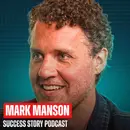
 Mark Manson - Author of The Subtle Art of Not Giving a F*ck | Why the Self-Help Industry Doesn't Want You to Get Better
➡️ Join 321,000 people who read my free weekly newsletter: https://newsletter.scottdclary.com
➡️ Like The Podcast? Leave A Rating: https://ratethispodcast.com/successstory
Mark Manson is an American self-help author and blogger known for his refreshingly unfiltered approach to personal development. A three-time #1 New York Times bestselling author, his breakout work “The Subtle Art of Not Giving a F*ck” became a global phenomenon, with his books collectively selling over 20 million copies, being translated into more than 65 languages, and reaching number one in over a dozen countries. Often described as "self-help for people who hate self-help," his writing blends no-nonsense life advice with sharp cultural commentary. He also collaborated with Will Smith on the actor's autobiography, and in 2023, a feature film inspired by his life and ideas was released worldwide by Universal Pictures. Beyond writing, Manson is the co-founder of Purpose AI and the host of the Solved podcast, where he continues to explore ideas around human psychology, meaning, and modern life.
➡️ Show Links
https://www.instagram.com/markmanson/
https://www.youtube.com/@IAmMarkManson
➡️ Podcast Sponsors
Hubspot - https://hubspot.com/
Huel - https://huel.com/scott (Code: scott)
The Demand Decoded Podcast - https://www.blendb2b.com/demand-decoded
NetSuite - https://netsuite.com/scottclary/
Indeed - https://indeed.com/clary
Framer - https://framer.com/design (Code: SuccessStory)
LinkedIn - https://linkedin.com/success
Wix - https://wix.com/
Priori - https://priori.life/
Notion - https://notion.com/story
Mars Men - https://mengotomars.com/
Granola - https://www.granola.ai/success
BELAY - https://belaysolutions.com/scott
Gusto - https://gusto.com/successstory
➡️ Talking Points
00:00 – Intro
01:24 – The “Self-Hating” Guru
07:07 – Packaging That Works
09:54 – Speaking to Real Problems
12:14 – Self-Help: Help or Harm?
13:24 – Can Self-Help Replace Religion?
24:43 – Is Maslow Wrong?
30:10 – Sponsor Break
32:45 – A Generation Without Community?
34:10 – Building a Life That Matters
39:23 – Finding Your North Star
47:33 – Reinventing Yourself Gracefully
49:49 – What Makes Purpose AI Different
56:34 – Sponsor Break
58:23 – Close Your Open Loops
1:03:49 – Why We Avoid Asking for Help
1:05:56 – Creators Must Embrace AI
1:10:51 – The Shift to Podcasts
1:22:30 – The Danger of Parasocial Ties
1:27:23 – Integrity in Self-Help
1:30:16 – Mark’s Advice to Followers
I want to be a better person. I want to be more confident, more successful. I want to make a bunch of money. I want to have a great relationship. But you go to the self-help section, and I just want to puke over everything. So I felt like there's got to be something here. All of the advice is recycling. We're all saying stuff that's been said for two thousand years. What changes is the packaging and the delivery mechanism? What happens when brutal honesty becomes a global philosophy? Mark Manson is the best-selling author who challenged the entire self-help industry with a radically different idea. Stop chasing positivity and start embracing what actually matters. What self-help lacks. You need to have something bigger than yourself. I'll help you make more money. Be more successful. Be happier. But there's no why. It's just like stuff. If you solve isolation, the loneliness, the lack of community, that solves a lot of other issues on its own. The biggest lesson you really need to learn how to give up options. I'm writing brutally honest essays on the internet to becoming one of the most influential voices in modern personal development. Mark's work forces us to confront the questions we'd rather ignore. Find things that are worth committing to and then really commit to them. You have to be able to listen to yourself of the things that you really don't want to do and the things that are exciting and light you up. You need to be able to say no to stuff and not feel conflicted about that. The only rule is do what works for you. Everything else is a suggestion. Mark, I'm happier here. Good to be here. It's very, very good to finally stand and do this. So I was listening to a couple of pods before we started. And I've heard you refer to yourself as the self-hating self-help guru. Why do you call yourself that? I jokingly call myself the self-hating self-help guru because I hate the fact that I'm a self-help guru. This is the funny paradox of my brand is that I make self-help for people who hate self-help. I'm the guy that if you can't stand the secret and all the woo-woo opera stuff, you probably land on me. So it's just a little bit tongue-in-cheek of. So then the obvious question is how do you find yourself in the self-help space when you hate it so much? Because I think actually I resonate with a lot of your content. And I actually have a lot of issue with the self-help space. But I've actually found myself drifting closer to it, even though my content started with very entrepreneurship and very tactical stuff. But now it's migrated into a lot of mindset things, which I think are very valuable and actually very important. And I was interviewing, I'll tell you a quick story, but I was interviewing Gary Vee. Yeah. And I was, majority of the podcast was like mindset stuff. And I gave him some super easy, you know, like these questions. You can just not get to the park. I was talking like sub-stack and like live streaming and all this shit he's really into right now. And he kind of like glossed over these questions and I'm like, and I asked him like, why didn't you like go deep? He says, you're shit. He's like, because none of that matters. Like if they get the mindset stuff right, they can figure out everything else. You can Google everything else. So mindset's important. But how do you stop yourself from becoming this self-help caricature almost? It's just naval gazing all day, wondering what it's all for. Yeah, it's definitely an occupational hazard. You know, it's funny because when I was, I kind of stumbled into this career. I was the same. I actually, my first online businesses that I was trying to start had nothing to do with self-help. And I ended up kind of blogging about this stuff on the side because I was in the same boat. I'm like, I've read all these cheesy books. I want to be a better person. I want to be more confident. I want to be more successful. I want to be more resilient. I want to make a bunch of money. I want to have a great relationship, right? But you go to the self-help section and I just want to puke over everything. So I felt like there's got to be something here. Like there's got to be a non-fufi cheesy way of approaching this, like a more scientifically grounded way, a more practical reality-based way. I was kind of exploring that myself on the side. And as often happens in business, is like the side project becomes the thing. And the thing fails miserably. So that started. It turned out that there were millions of people out there that were in the same boat as you and I. And so that's that's when I really started getting traction in the early 2010s and everything took off. Because what you're doing is you're bridging a gap between like highly academic, but also speaking to people and helping them come up with ideas that will actually impact their life. And that's actually always been the gap, right? Like you can always go to a therapist or you can always re-like PubMed peer-reviewed research on what the habits are going to be or the mindset or the tools and tactics. But I feel like content that speaks to people that is still highly actionable and grounded in evidence-based reality, whatever it is. I feel like that you don't get a lot of that online. Yeah. And it's, and especially back then, you really didn't. You even doing this in like 20, 20 years? I started blogging in 2008. So yeah, almost 18 years. Yeah. Thanks for that. Thank you. I've been doing this a lot. I definitely, I feel like a dinosaur in this space. It's funny, like, sometimes now I meet these like young creators and YouTubers and stuff. And they're like talking about how they were in high school in like 2015. And I'm like, oh, I had been blogging for seven years already. But you know, it's like, I think with hindsight looking back, it was, it was just an underserved market, right? It was, if you go back pre-internet or back to like the 90s, you know, self-help was really, it was, I guess, targeted more towards a specific type of person. It was, I mean, I remember when I was growing up, a self-help seminar or even therapy. Like it was a little bit shameful. You're a little bit embarrassed to be doing it. And people would kind of like look down on you a little bit. And I think by the time I became an adult, you know, our generation grew up, there was a little bit of this tension of like, okay, it's totally normal and fine to want to know how to improve yourself. I think that's a very natural inclination. But there's got to be a way that's like to do it that's not embarrassing, right? And so I think ultimately what what I did and I think, you know, there's kind of a group of guys and women from kind of that same time period, we all kind of came up together. So there's like me, James Clear, Ryan Holiday, Gretchen Rubin. We were all blogging around the same time. Tim Ferris, Rameet Sadie. Like I think we all kind of stumbled into the same thing, which is like, what's a practical non-cringy way to do this? That's actually based on evidence that's just super practical that like, people aren't going to make fun of you if they see you holding the book. And yeah, it was, at the time, it was an explosive market because it just nobody was serving it. So when you serve that market originally, I'm sure that it was a little bit easier than it is, especially now today. Oh, yeah. Content that hits now is so full of hyperbole and just clickbait. And like I feel like it's really hard to get content to hit that isn't just absurdly packaged. Right. So what, you know, I mean, you have an existing audience, so you obviously have a little bit of leverage there, but even yourself who hasn't just like, how do you package your content, yourself, help, stuff so that you still get good ideas to people that actually help them without falling into the trap of saying the most audacious, ridiculous shit that obviously is, it's only self-serving at that point when you really, really, really go off. How do you, how do you do that? The game has changed so much today. Things are very crowded. It's actually really funny. Like I can, I can go on my Instagram and just start scrolling. I would say the biggest problem in my market is that any idea that you have that is good, like any kind of profound or impactful sentence or paragraph or quote or whatever. As soon as it blows up, 50 other people are going to post the same thing. And so it's, it's like, it immediately gets, the virality just gets snuffed out in the cradle because it's people are so on top of everything and everything gets replicated so quickly. And so I was like on my Instagram, even this morning and I can scroll through my Instagram and it's, it used to upset me. Now I've just kind of accepted that this is just the name of the game. But you know, it's half the stuff I see. I'm like, oh, I wrote that. I posted something about that in 2018. Oh, I had an article about that in 2016. Oh, I did a video about that on 2021. You know, and it's just, everything's gotten recycled so much. So my market and I think most markets, at least online markets are kind of going this direction. You know, when everything becomes saturated, when everything is so easily replicable or so easily replicated, really the only mode that you start to have is brand and really understanding who you're serving, what is not just the demographic that you're serving, but like the psychographic, you know, what are the person's values? What's their personality? What are the other things that they're into? And then really just accentuating your brand to like, serve that person because at least in the self-help market, all of the advice is recycled. I mean, we're all saying stuff that's been said for 2000 years. Like there's not really any new ideas in this, in this space. What changes is the packaging and the delivery mechanism. So again, so for the person you're speaking to now, what is the problem that they're dealing with, they're wrestling with? And like, how do you actually, like, what do you bring to them that would be different than, I mean, I can name other creators. I mean, Lewis House has a flavor now, Dan Coe has his own flavor. Mel Robbins is more like a true self-help kind of person. Less, I think, I think less gritty than you. I don't even also describe it. But yeah, how do you speak to people? Because I feel like your brand has a ton of longevity in it. I would say I'm the kind of the gritty, realistic, slightly cynical version of self-help. And what I particularly help people focus on is understanding their values, understanding, you know, the whole give a fuck thing. It's really just code for what are your values? What are you prioritizing? What are you making the most, what are you optimizing for in your life? And most people haven't thought very deeply about that. They just do things and then re-evaluate years after the fact. And so a lot of my work is just trying to help people sit down, think deeply, what am I optimizing for? What am I prioritizing? Is this a good thing? Is this bringing like good problems and challenges into my life? Or am I making myself miserable? And just the nature of that sort of, I guess, brand promise, it is a very gritty, raw, vulnerable thing. You know, it's like forcing people to sit down and I was going to say, do they appreciate that? Yes. Yeah, it's kind of a tough love sort of thing. I would say I have a very kind of tough love relationship with my audience of like kind of a like a wise older brother who's like calling you out on your bullshit. Do you feel like that's because there is so much bullshit in the self-help industry that people gravitate towards more of a real sort of raw? I think the people who come to me do. So I mean, I hear what you just said at the top of the show, like I hear that all the time for my audience of people saying like, I hate every self-help book, but I love Jers. And so that is very much like kind of my customer avatar, right? It's like, okay, this person is, they're a little bit cynical. They're maybe a little bit, they're skeptical, they're hard to convince, but like they do think deeply and they do care about improving themselves. Do you think that I would say traditional self-help that isn't as gritty? Do you think that it actually benefits people or does it hurt them in some way? I would say it's net positive. It's a mixed bag and I would say they're better and worse actors than others. I would also, I would argue that a lot of traditional self-help, it's when it does help, it's helping kind of superficially, right? It's like a little morning pep talk. It's a little like, you know, you can do it. I believe in you type thing, which is like, it's a high. You know, it makes you feel good for an hour or an afternoon, or maybe gives you a little bit of confidence for, you know, a big meeting or something, but a day or two later, you're still going to be the same person with the same insecurities. Because you haven't gone like below the surface. Right. Right. It's a lot of band-aid solutions, I would argue. And then in some cases, I would say the band-aid solutions are taken to such an extent that it does start to become harmful. Like it kind of encourages people to embrace delusional thinking or narcissistic thinking. I've always thought that self-help and some other, I don't know, practices, categories that you look to as almost as a band-aid for fixing your own life. Like you're looking to self-help in a way like if my life isn't perfect, I'm going to go listen to somebody, apply some strategy, and maybe that's the thing that I'm missing. I've always thought that the reason why self-help has become so popular is because we don't have as much religion in society. And it's filled this gap, but I don't think it's filled it very well. I agree. And I think you can have regardless of whether or not your religious, I think at least there was a little bit more process or a little bit more what's the word I'm thinking of. There is more structure and more thought put towards a religion whereas self-help is kind of just like people shooting from the hip. And I think that that probably wasn't the best replacement for like organized religion. So you were talking, you're from LA. Right. And everybody is subscribing to something, whether or not it's self-help or astrology or journaling or meditation or sound, whatever it is. I love this topic. I'm like I'm so I'm like getting rabid over here. So yes, I 100% agree with what you're saying and I would like to take it even further. So I started noticing a ways back. I mean it's just like get online and watch a video of a Tony Robbins seminar. It's like a church revival. Did you grow up religious? Not really. Like it was like the Christmas presents. That's pretty much it. So I grew up very religious and I grew up in the bible belt in Texas. And so we used to go to these like evangelical revival services. Right. And it's these would be like three, four hour church services. They'd have music. They'd have singing. And they'd have like some super charismatic guy on stage who's like sweating his balls off and screaming the you about Jesus and the power of the love. And it just like it would just emotionally wear you down. And then you there would kind of be this like euphoric like fever pitch that would happen in the audience after a certain amount of time. And it felt incredibly powerful and profound. And it's funny because I remember like one of the first times I saw a video of a Tony Robbins seminar. I was like, oh, it's a church revival. Like it's the exact same shit. It like he's running the playbook to a tee. And he's got the music. He's got the dancing. He's got the singing. And then you know, and then he like kind of like just build and builds this. He locks people in a room for eight hours. And then he just builds this emotion. And next thing you know, people are in tears. They're crying. They're saying they're saved. All this stuff. So I've had this kind of like there's I felt like there's a little bit of a parallel between self-help and religion for a long time. It's funny because as I've gone through my career and I've really dug into the psychological research and really started to kind of understand, you know, human happiness and flourishing and stuff. And like on a very deep level, I think the thing that self-help misses or what self-help lacks, like the common denominator that you consistently come back to in human psychology of like what drives psychological well-being is that you need to have something bigger than yourself. And this is I think this is the core piece that you were alluding to when you when you were describing like why self-help feels kind of loose and aimless is that self-help will tell you I'll help you make more money. I'll help you have a better marriage. I'll help you be more successful. I'll help you be happier. But there's no why. It's just like stuff. I'll give you more. Give me money and I'll give you I'll give you good stuff. And there's no there's nothing and like ultimately humans need something larger than themselves to believe in, to give themselves to, to really drive that sustaining long-term happiness. And I've kind of come I'm atheist. I joke on my podcast that I'm like the most pro-religion atheist that you'll ever meet because it's like I now get it. I'm like that's that thing that self-help is missing is that faith in something larger than yourself. It's that faith in God or Jesus or Muhammad or whatever your religion is. And and that is what makes all the other stuff feel meaningful and feel a sense of purpose. And then that's where you get all of like the positive long sustainable long-term outcomes. So I agree with you. I don't think self-help can replace religion. No, I don't think you can, but I think people are trying to make it a thing to replace religion. And then this is the issue. So if you have, so I spoke from the perspective of the self-help creator and how if they're being, you know, if they're just putting out viral content then there's just self-serving for them. But also if you're subscribing to self-help as opposed to religion, then all these different things you're trying to fix in your life, your marriage, your finances, you want to lose weight and be healthy. Yourself, it's also self-serving because you're just doing it for yourself. Just doing it for yourself. Yeah. Which I guess there could be some longevity in that. But I feel like after a while it's very hard to just do things just for you. Like if I was going to just do this podcast, just for me, I feel like I would get burned out after a while. Like there's other reasons why I like doing this. Because trust, you know this, you're created. There's much other easier ways to make money than podcasting. But I genuinely enjoy this. And it's, you know, I've been able to build my life where I can walk five feet from my house and record an interview and I meet cool people. And then I get to, you know, afford a nice life for myself and my, you know, my fiancee and hopefully my kids someday. And like I enjoy this a lot. And then also I feel very good because that we have great conversations. Hopefully we help people on the other side of this. So a lot of benefits at this. But it's definitely not just for me. Because a lot of ways for me to make money or in a living that are not just podcasting. But I think that when you just focus on goals that are entirely self-serving, you can start off with great intentions. But I think it's really hard to continue them long term. Yeah, it becomes a sort of treadmill, right? Because it's like, okay, I want more money. And then you get more money and you're like, okay, now what? And then there's like, well, I want to lose weight. And then you lose weight. And it's like, okay, now what? But if you're doing it so you can like play with your kids. That sustains you, right? Across decades. So yeah, it is that deeper source of meaning is I believe the missing piece. It's also funny because you mentioned the, so the religion I grew up with, it's very popular in Canada is Roman Catholic. It doesn't really have a great rep anymore. But that's how most, most Christians in Canada of Roman Catholic versus in the US, something I've noticed is Christianity is more like, and Roman Catholic for context is like beautiful church, like a priest with like nice robes. Yeah, they read a couple sermons and whatnot, but it's not like down here where it's like a rock show. Yeah. So now I feel like religion is trying to become more self-help because they feel like they're losing ground and footing to the self-help gurus of the world. I would argue religion is the original self-help. Like it's people used to go to church to get this information, like all the crap that I'm posting on Instagram, like it's not, it's the Stoics, it's Jesus, it's Buddha, it's like it's all back there, right? This has all been around for thousands of years. And so I think the church was the original self-help seminar. It's where you, yeah, you went to pray and learn about Jesus and whatnot, but that's also where you got your life advice. Like you would go to the minister or the preacher, the original marriage counselor was preachers. That's true. So now, fast forward to 2026, society is more secular. People are subscribing to these self-help gurus. Do you think that I kind of asked you this a little bit already, but I want you to go deeper? Do you think that society is healthy, is happy? Because I don't feel like, I don't feel like, in general, we are, I feel like, I mean, I'll even read you a tweet that you put out a couple of days ago in a second, but I feel like we have access to more information than ever before, both self-help mindset and tactical. We have access to so many influencers and thought leaders. We have access to anything we want to, get more depressed and full of anxiety and stress than ever before, but the tweet you put out, I was like, I went to cloud, I was like, find the highest performing tweet because I want to see like what resonated with people. And it was, it's shocking how many educated millennials I know had insane runs in their 20s and 30s and are now completely lost and broken in their 40s. I think a lot of my generation shows unconventional sexy lifestyles in their 20s, not realizing that it would deprive them from developing many of the soft skills and commitments required to thrive and function in middle-aged and beyond. In other words, they optimize for their Instagram feeds rather than their actual lived experience. And now they are silently paying a deep price. And that was like one of the most engaged with tweets recently. And you're speaking about a very specific circumstance where people like didn't focus on career or meaning or fame or whatever. Connections, yeah. But do you feel in general just like with all of the access to information and opportunity and people and ideas that could help them, people are still more lost than ever? So I feel like there's kind of two questions there. I'll take the big macro kind of philosophical question of just like are things better or are people happier or are things worse. I think it's one of those nuance things where it's yes and no. I think things are better. Like I think it is just objectively speaking, we live in the best time to be alive. But I think what has happened is I think most of human history there was real physical danger. There was real physical scarcity. And now what we have traded that for, now there is no physical danger of physical scarcity for the vast majority of us. But we've traded that now for existential scarcity. So it's like, okay, I have access to any, I can become anybody I want. I am safe, all my needs are met. But now that abundance of opportunity creates this other problem, which is like a psychological scarcity of like, oh my God, I don't know what to do. Because if I, any choice, if it's wrong, I like blow up all these other opportunities, right? And so people just get paralyzed and freaked out. So it's, it's very much like Hashag, high quality problems, but it's still a problem, you know? Like people are, you know, but I think that's, that's why you see this interesting correlation, which is that as countries economically develop, they're happy, the scores go up, but their anxiety scores go up as well. And so you get these, you get like, happier ultimately like, safer, more well-adjusted people who are worrying all the time. Because, and it makes sense, right? Because when you have a great life, you have a lot to lose, you know? It's like the subsistence farmer in the middle of India, but why do we think we're gonna lose it? Like you basically, you're saying that like, Maslow's hierarchy of needs is, is incorrect. Yeah. Hey, I don't know if it's incorrect. I just think it's, it's a different type of anxiety. And it's, I think it's a more philosophical anxiety. You know, like if you, if you go back a hundred years, the vast majority of people were just trying to make sure they had enough food to eat at the end of the month. They want to make sure their kid wasn't gonna die of tuberculosis or whatever, you know, whatever plague was going on at the time. You know, today we don't have those things to worry about, but the mind needs things to worry about. And we have access to so much information that we, we start having these like very broad philosophical anxieties about, am I doing the right thing? Am I working hard enough? Should I work less? Am I, should I change careers? Should I spend more time with my family? Should I spend less time with my family? Like these are all like luxury problems, but they are problems. And you can, you can literally drive yourself crazy worrying about them if you let yourself. So that particular tweet, that is speaking to an audience that is just discovering these problems for the first time because they never really put thought towards what they were pursuing in life. So that tweet specifically, that actually emerged from a really long conversation I had with my wife. I think what we're noticing, and I'll include myself in this to, to, to some extent, I'm starting to notice that midlife crises are hitting millennials extremely hard. Like very, very hard, much harder than I think previous generations. And, and what I, what I'm noticing is like the, the people I know in my life that are kind of getting hit with this, you know, if you go back to like our parents' generation, they'd have a midlife right, you know, they, dad would get a corporate job. And mom would like volunteer at the local school and then they get to 40 and it's like, okay, well, they've got the house and the kids are grown up. What do I do next? And then you, you know, you kind of have this crisis around like, oh, is this it? We did all the things. Today, because the millennials grew up with so much more opportunity and so many different options of lifestyles, you know, you could go live abroad, you could start a business, you could work remotely, you could, you know, split time between two cities, you've got like people in unconventional relationships and thruples and like all sorts of things going on. And what I've noticed is that a lot of people chose a certain lifestyle. Maybe it's like starting an e-commerce business in their 20s and living in Thailand half the year. And when you're 20, that's super sexy and exciting. But what you don't realize you're giving up is you're not building community, you're not building strong relationships, you're not building a network, you're not in the room when like the industry things are happening. And so they get to 40 and they're kind of like stock. I'll give you another example. I had a friend who started trading stocks in college and he was very, very good at it very quickly. And by 27, 28, you know, he was multimillionaire. And out of our group of friends, like he was the baller, like everybody was like, we're gonna hang out with that guy. Like we're spending the weekend with that guy cause he was just ballin' out, he was the coolest dude. But it's funny cause it's like now we're in our 40s and he's still very wealthy, but like he's never had a job, he's never worked with anybody, he's kind of unemployable. He doesn't really have a network. Like he's stressed out all the time, right? Cause it's trading, you know, so it's just financial trading. Like you're just constantly on your phone refreshing and freaking out of our stuff. Like I can go for like breakfast with these guys and bring their laptop. I know the kind. So he's been basically stressed for 20 years straight. He's built no community, no connections. And yeah, sure, he's got money. But like at 40, like he's not fuck you rich anymore. You know, it's like a lot of us have done really well in our 40s, so it's like it's not as impressed but he hasn't built out these other parts of his life and he's really struggling. And it's, so it's been interesting to watch a lot of people kind of in those situations. And it kind of referenced a religious thing again. I think what I see lacking in our generation is that sense of community, right? Like the conversation I had with my wife and I have had quite a bit is like, we're not religious so we don't go to church. We don't have kids, so we don't have schools and our, you know, other parents to hang out with. And we travel all the time for our job. So we're like never around, you know? And so we just, we're in our 40s and we're like, we have lots of friends in like 18 different cities, but we have no community. Like we can't, there's nobody, we can just like randomly go knock on their door and like hang out and, you know, have a beer with or, you know, invite a few random people over for spontaneous barbecue or something. Like it just doesn't happen in our lives. Quick question. What's your go to when you got 10 minutes before a meeting or a workout? For me, it just used to be whatever I could grab, which usually meant skipping meals entirely or just grabbing something that left me crashing an hour later because it was just full of garbage. That's why I'm partnering with Hule. This black edition ready to drink is a complete meal. So it has 35 grams of protein, six grams of fiber, 35 essential vitamins and minerals. It is no sugar added gluten-free under five bucks. I always keep a few of these in my fridge. And honestly, it's solved the whole back-to-back meetings, go, go, go, non-stop, no time to eat problem. Super well. And this one's new for me. It's Hule's Daily Greens. I had the blueberry this morning. Honestly, first impression, it was way better than I expected. It's developed by registered nutritionists and dieticians. There are 42 vitamins, minerals and superfoods, only 25 calories, four grams of fiber, and just one gram of sugar. I throw one back first thing, before my morning calls, every single morning. Look, if you're running a business, time is the most valuable asset. Hule makes healthy eating simple, and they also just launch into target source nationwide so you can get it everywhere. Try both products today with 15% off your purchase for new customers with my exclusive code, Scott at Hule.com slash Scott. Try both products today with 15% off your purchase for new customers with my exclusive code, Scott. S-C-O-T-T at Hule.com slash Scott. Use my code, fill out the post checkout survey to help support the show. That is Hule.com slash Scott. They really make healthy living tastes amazing. Even if you're on the go, healthy eating, healthy lifestyle, doesn't have to taste bad, it doesn't have to suck. NetSuite is the number one AI Cloud ERP. It's trusted by over 43,000 businesses. It's a unified suite that pulls your financials, inventory, commerce, HR, and CRM into a single source of truth. That connected data is what makes the AI smarter. It doesn't just guess it knows. It can automate routine tasks, it can deliver actionable insights, and it can help you cut costs and make fast decisions with confidence. And now with the NetSuite AI connector, you can use the AI of your choice to connect to your actual business data. And ask every question you've ever had. This isn't just another bolted on tool. It's AI built into the system that actually runs your business. So whether your company earns millions or hundreds of millions, NetSuite helps you stay ahead. If I needed something like this for my business, I'd use NetSuite than you should to. So if your revenues are at least in the seven figures, get our free business guide demystifying AI at NetSuite.com slash Scott Clary. The guide is free to you at NetSuite.com slash Scott Clary. NetSuite.com slash Scott Clary. I think that everything you're sort of highlighting that your trader friends dealing with, even some of the stuff that you're dealing with, like lack of community in your life, I feel like that's gonna hit younger generations even harder. Because now they're growing up isolated and they're growing up subscribing to people who are pitching them this idea of work online, work anywhere in the world. And that's okay, but to your point, there's gonna be a lot lacking in their life. Yeah, I wonder what that does for the mental health and well-being of a younger generation. I mean, it can't be good. I honestly think a lot of the, there's a lot of noise that's made about the mental health crisis and especially Gen Z. I honestly think that if you solve this problem, the isolation, the loneliness, the lack of community, to me that feels like the 80, 20 of the situation. Everybody talks about social media, everybody talks about like the phones and all this stuff, news, 24 hours of news, doom scrolling, all this stuff. To me, it's just like if you have enough face-to-face interaction in your life, if you have like a good cohort of people that you can rely on in your personal life, that solves a lot of other issues on its own. How do you build a life worth living? And I ask that is like a very broad open-ended because we're talking about community, we're talking about finding purpose, we're talking about having this like massive mid-life crisis. But even somebody who researches this for a living, you have had like these, I don't want to call it mid-life crisis, but like you've had these like definitely mid-life crisis, re-inventions, the nicer way to call it, re-inventions of yourself. Even after you've found success, I mean like even now like what you're working on with your app, like you reinvented yourself, you were an author and you found that you sort of accidentally took on the identity of an author because it was successful and then you found that that wasn't like the most fulfilling thing. So my point being, somebody who researches this stuff for a living still falls into these traps. What hope is there for the rest of us, I think the biggest lesson that I have taken in my life is that you really need to learn how to give up options. You need to find things that are worth committing to and then really commit to them. And I don't mean this, I'll use dating just because it's a nice analogy for how this can apply to pretty much everything in my opinion, right? So it's a common problem you see these days is people are on the apps. There is a perception that there's kind of this endless supply of potential partners. And so that gives you this mindset every date you go into, as soon as they do anything awkward or slightly off-putting, you're like, oh, next, right? Cause there's just this endless supply of alternatives. And I think that's the trap of modern life. Like if you can apply that to business, it's the same trap, you can apply that to lifestyle choices. It's the same trap. It's like there's an illusion of endless optionality pretty much everywhere, which is preventing people from being able to commit, to choose something commit, really invest themselves in it because it's that investment and something giving your life over to something, rejecting the alternatives. That's where the meaning is found and that's where the satisfaction is found. And I just think it's, it's, well, no, I'll frame it because that's smart, but two things can be true at the same time, right? Because you have adopted identities in your life that you no longer want to associate with. So, and we're not talking about like the more destructive ones previous to like your author life when you were still drinking. I'm talking about like being an author is a very healthy identity to adopt and you went all in on that. So the duality is, or the two truths that can exist simultaneously is you have to go all in on something and reject all other options. But at the same time, then you have to figure when that season of your life is over. Yes. And to move on to something else. So both of these, that's the tough part. Both things have, you have to be able to think through both ideas, things have all been changed. And it's, you know, for most of my young life I wanted to be an author and that was my dream. I wanted to be big bestseller, all this stuff. It happened, did the whole author thing, right? Wrote a bunch of big books and toured and did a movie and all the stuff that authors hope to do and realized that I actually didn't love it as much as just being kind of the scrappy online entrepreneur content guy. And that was an extremely difficult thing to discover and admit to myself. But it is, I guess the, that's what's so hard about this. And this kind of comes back to what we were talking about earlier just about the existential anxiety of, you know, a few generations ago, people really only got one or two good opportunities throughout their lives. And so it was kind of easy to just be like, all right, this is my shot. Let's go for it, you know, whereas in today's day and age like, especially if you develop some good skills, right? If like if you're just a killer copywriter or killer at sales or an amazing software engineer there's like infinite number of things that you could go do and probably be successful at. And that, that infinite opportunity not only can it be crippling kind of broader philosophically speaking, but even in the moment you run this risk of just shiny objects in the room of like constantly being distracted of like, well, why don't we do this or why don't we start? Like, why don't we spend that out and make that a separate product? And you know you could be successful at all these things too. Right. And you, you have to like keep like hitting the stop it. Stop, stop doing that, you know, focus on the main thing, make the main thing the main thing. When you have all these options, what's your best advice for choosing which one to go all in on? Because we know that we have to go all in on one thing. You're going to make a bet on one thing. You have five different options. You're a highly competent polymath. You can make any of these things work. Is it the thing that lights you up that gives you the most energy? You've got to figure out your North Star like, what's the cliche, but is actually the most important cliche that is really, really true? Yeah. In my opinion, it's ask yourself, which problems do you enjoy having? Because there are lots of things that you will love them when they're working, but you will absolutely hate them when they're not working. And what you want to look for is the things that even when they're not working, you're still kind of enjoying it. What was the thing? So looking back at your own story, what was the thing that caused you to move away from being an author? And then now you, you found it purpose and you built an app and that's sort of like the next stage and you're obviously have your podcasts and like you're putting on more content. So you made a shift. Tell your own story so people can see how you evaluate like your decision tree for how to carve out a life because I think that will be helpful to people too. So as I mentioned, you know, started blogging super early. I built up the blog in the early 2010s to a few million readers who were doing some online courses, some ebooks, things like that. Had a nice little business going, you know, probably making 150, 200K a year, just me and an employee. So a nice, a nice little lifestyle business and then the book deal came along and it's funny because that book deal came along and like nobody really expected, including myself. Nobody really expected it to like take off that way. You know, in my head, I was like, oh, great. This book will like give me some credibility so I can continue scaling my blog. Why did you not think it was gonna man back then? It's funny, giving a blogger a book deal back then was still kind of like a ridiculous thing. Like it, in fact, my agent was one of the first literary agents who actually went online and like would find people who went viral and try to like find if there was a book deal there. Now it's like the basic blueprint, you know, it's like the audience. Yeah, it's actually the only way to get a book deal. Now is to go viral online first. So at the time, I was just like, okay, cool. You know, a book will help me build credibility, build some audience, make some money. The book just went absolutely supernova, just massive, massive smash hit. And suddenly all of these new opportunities were showing up. So massive, multi-million dollar, multi-book deal, Audible wanted to do this big project with me, film and TV deals started coming down the pipeline and the Will Smith book happened. And so I just started, I mean, I just started saying yes to everything because it's just everything's new. The numbers are huge and I'm like, I don't know, this might be my five minutes. So like, it's going to it lean into it. Just I was young, I didn't have kids. So I'm like, let's just say yes to everything. And so I went really hard on it and essentially burnt myself out. And by 2021, everything was done. All the books were done, all the product, the movie was done, the Will Smith book was done. And I was so burnt out, I was like, I need to take a few months off. Just kind of like recharge and think about what's next. And I, that three months off, turned into six months, slowly became like almost seven, eight months. And I realized that like, somewhere I had really steered wrong because I just, the thought of writing another book made me want to puke. I didn't, wasn't really excited about my business. I was like, am I just going to start, am I just going to start a new career? Like, what am I going to do, right? And so I made an agreement with myself, which is like, look man, you made a bunch of money. So like, there's no reason to do anything unless you are genuinely excited to do it. And I think that's one of the hardest things to learn when you're on the other side of a massive financial success. It's like pre-financial success. Money is the scorecard for everything, right? You just do the thing that gets you more money. There's a certain number that everybody hits where it's like, money doesn't make sense as a scorecard anymore. Your time and your excitement needs to become the scorecard. And so that period I really took is like, reorienting my brain. So I made an agreement with myself is like, going forward, I don't do anything unless I'm excited about it. And I slowly started going back to work, but I really only did things that were fun and interesting. So I started messing around with video content. And I got kind of excited about YouTube. So I started making YouTube videos. And my first three or four were absolutely awful. I had no idea what I was doing. But I kind of liked that. I was like, this is fun. Yeah, this is friction, it's yeah. It reminded me of my early blogging days. And I'm like, oh yeah, figuring out a new format and coming up with ideas. I'm like, okay, this is cool. And that started scaling. And I went out and hired a video team and then we launched a podcast. And then that started scaling. And within a year, you're in a half. I'm like, I have absolutely no interest in writing another book. I'm having so much fun building out this media team. And the other exciting thing too is that by this time, this was like 2023, 2024. I was like, the creator space had changed so much. Like it's, you can, there actually is so much financial opportunity now, making content online that it's actually, it might not be worth me writing a book. So I started scaling that business and that was going super well. And then about a year ago, I started, you know, because most of our monetization is just like ads and sponsorships and things like that. I started looking at, I'm like, there's got to be an opportunity to like, parlay this distribution into something with equity, right? That is, by the way, the future of the creator economy is that? Totally, 100%. Totally. So I started looking at startups that I could like partner with that were like really well aligned with what I talk about. And I started having some conversations with founders of like, okay, maybe I come in as like a partner or a co-founder and like, you know, I'll be the distribution arm and I'll like advise on product and growth and everything. And I had had a few conversations that went pretty far but nothing got over the finish line. There was like always a complication whether it was the cap table was a total mess or the founders like didn't want to give up control of something like brand control, you know. And so eventually I was like, I should just start my own. And I met my co-founder about a year ago, a little more than a year ago in a poker game. His name's Raj, he's done. I was really interested in kind of AI for mental health and he's been doing AI products since pre-chat GPT. And so he and I got started talking about it and he was like, look man, I like, you know, my last company was 200 employees before I exited. Like I can build anything, you know, I'll build the team, I'll build software, like I can build anything, just tell me what to build. And so we partnered up and we launched purpose about three or four months ago. And it's an AI personal growth coach. It's designed to like challenge you, point out blind spots, challenge assumptions, really push you on the things that you say you care about but you're not doing. So it's your content. Exactly, a little bit of a little bit of like tough love. Yeah. And it's been great. I mean, it's like we had a killer launch and just like pretty insane growth through the early, pretty good reinvention. I'm going to ask you about AI and mental health in a second, but just to finish that last thought for people that are listening, for people that are any of the people we spoke about, especially people that saw that tweet and are like, this is me, I feel lost and I feel confused and I'm having this midlife crisis. So what you just went through was a reinvention of who you were and your identity. What is your best advice for somebody to gracefully go through a reinvention like you did successfully without blowing up their life? That's a great question. I think the most important piece is you have to be able to listen to yourself and like be honest with yourself of the things that you really don't wanna do and the things that are exciting and light you up because like when you're in that spot where you wanna reinvent yourself, really what you're doing is you're looking for new things to prioritize or new things to optimize for, take really seriously. And I think the most important variable in that decision is what feels, what light to up, right? Like what are the challenges that you enjoy having? And I think that takes a lot of experimentation. It's two-sided. On one side, you need to be willing to experiment with things, what kind of fall on your face a little bit, maybe be a little embarrassed. On the other side, you need to be able to say no to stuff and that you're done with and not feel conflicted about that. So for me, it was like, I canceled a very large book deal because I was just like, guys, I'm not writing another book until I'm excited to write a book. It's not good for anybody if I just half-ass a book. I started saying no to pretty much all speaking engagements because I found they drained me and it's not my favorite thing to do. So it's just start cutting out the things that are not exciting and then really honestly look at yourself and ask yourself, what feels exciting in this moment? What is my curiosity naturally go? I think that also people have to trust themselves because they always know the answer. It's in there, but they listen to the agent, the friend, the social media, whatever. They listen to everything but themselves and then they end up living this life that is completely out of alignment and inauthentic to themselves and then they end up depressing. Yep. So when you built up purpose, obviously AI is huge right now. Even before we press record, we were kind of just talking about how there's this huge market because people are, as we've really discussed, lonely, sad, depressed, high anxiety and AI seems to be this outlet because I've seen stories in the news about people building relationships with AI. People have built romantic relationships with AI. They're coming to AI with all their problems, life advice. I mean, there's like memes about, I'd rather give like my wife, my phone and let her see my chat GPT search history like. So obviously people are looking for answers as they were with self-help, as they were with religion and then there's really sad cases where people have built these really screwed up relationships with AI looking for help and end up killing themselves or doing something really bad. So this is new technology. People don't really know how to handle it but it can be used for good and it's not like it's being used maliciously. Like chat GPT clawed for complexity gr- they're not malicious tools but they're not built to handle the complexity or the nuance of the human mind. So what is purpose like actually doing that these other ones are not doing? It's a great question. So the, I mean, the first thing that kind of landed on my radar, there was a survey, I think it was in Harbor Business Review, early last year of like what are people actually using chat GPT for? And I think it was like the number three use case was for personal life questions, advice, therapy, that sort of thing. So it's like, and in terms of like scale, that would put it well north of 100 million people or like using it on a daily or on a weekly or monthly basis for those use cases. And meanwhile, I'm like going to chat GPT, I'm kind of testing it, asking it some questions and I'm like anything I say to it, it's like, oh, that's great, you're amazing. You know, it's like this gaslighting sycophantic like it's just like zero critical thought. Everything you do is amazing. Every, it's like, you know, you could tell it, I just ran over a child with a bus and I'm running away from the cops. What should I do? And it's like, you know, we all make mistakes. It's so bad. It's so bad. But people are like trusting life decisions. Yes, yes. And so, and I honestly, I think a lot of the problematic use cases stem from that, right? Because if you look at like AI psychosis for example, like people who are predisposed to a psychotic break, like literally what's happening to them is they are losing grounding with reality. Like they're, they're sense of what is real and what's not is getting very loose. And generally with those people, like they need, they need friction and they need negative feedback to like bring them back to earth, right? It's like, no, no, no, no, you're not the queen of England. You're, you're Joe Blow and you need, and you need to go clean the garage, right? And, and so if you have a tool or device that is just constantly validating, constantly agreeing, constantly adapting your frame of reference and your view of reality of things, you can see how somebody like that could get into a spiral where they start believing a lot of very smart people. I've heard, yeah, very delusional things, very like out there type things. And it's, so I see that as the core issue. So when we were developing purpose, like the very first thing we focused on is we need to make it disagreeable. We need it, we need to make it so that it's willing to challenge you and call you out on things. So like the whole onboarding sequence right now, it's like the first thing you do in the app is you do an assessment that is designed to point out your blind spots. So like the very first kind of assessment that the AI gets about you is like, these are probably, this is your personality and these are probably your blind spots. These are the things that you are either not acting on and you should or the things that you probably don't realize you believe that are hurting you. And then from there, it's like there is a place for kind of emotional support and validation, but it has to be backed by this like kind of raw reality based bullshit detector. Yeah. And what do you find when people actually engage with it? Like what's the response? What's the reaction? Like does this helps? Obviously this helps people. Are they honest with it? Yes. So that's the interesting thing. A lot of our beta testers, when we started interviewing them, because one of our concerns was like, you know, are people gonna share with an AI? Like what they would share with like a therapist or a coach or a close family member or something? And what was interesting is that people, first of all, people didn't really have many hesitations about sharing personal issues. But what was interesting that came up a lot is that people said, you know, there's a lot of small issues in my life that I don't bring up in therapy because I feel like it's just a waste, like therapy is so expensive that it's like a waste of time. But they bother me, but with an AI, I'll just like, you know, it's like, oh, my boyfriend loads the dishwasher incorrectly. Like what's up with that? You know, and it's like, they'll sit there and have a conversation about it. And they're like, I don't feel like I'm wasting anybody's time. I love this. You know, with like these like little nagging issues that are going on in my life. So yeah, it's some people, I would say some people come in, they talk with it for a few minutes. I'd say the most common complaint we get when people cancel is, is there like, it's mean? That's so funny. They're like, I like unloaded this huge sensitive life issue and it told me that I was, you know, I'm the problem, but it was probably right. It was probably 100% right though. I know, I know. But it's, we ran a survey with our users around the beginning of the year. And we gave them three options. We said, you know, how is your, it's people that have been using the app for more than a month and we gave them three options. We said, as your experience, has it been not helpful, helpful or life changing? And 41% of people said it had been life changing already within a month. And then 46% said that it had been helpful. Indeed is a success story partner. Now if you're hiring, indeed is all you need. Let me give you an example. If I needed to hire a new editor for this show, I'd go to indeed and be super specific. Not just can you edit audio, I'd say I need someone who's edited a conversational podcast for at least three years, gets our style and knows our software. Someone who's done this before. And here's the thing with indeed sponsored jobs. I'd get people who fit that description. I'm not digging through resumes when people who've edited one YouTube video, I'm getting actual podcast editors who know what they're doing. People who've worked on shows like ours and can prove it. That's what makes a difference. You get people who actually are what you're looking for. According to indeed data, sponsored jobs posted directly on indeed are 90% more likely to report a higher than non sponsored jobs. And people are finding quality hires right now. In the minute that I've been speaking to you, companies like yours have made 27 hires on indeed according to indeed data worldwide. Spend more time interviewing candidates who check all the boxes, less stress, less time and more results now with indeed sponsored jobs. And listeners of this show will get a $75 sponsored job credit to help you get your job. The premium status it deserves at indeed.com slash clary. Just go to indeed.com slash clary right now and support our show by saying you heard about indeed on this podcast. Indeed.com slash clary terms and conditions apply hiring do it the right way with indeed. HubSpot is a success story partner. Now, if you're looking for a new podcast, one of my favorite shows right now is demand to code it. If you're in the B2B marketing space, you need to be listening to this. It's hosted by the team at Blent. They are a demand gen agency. They know what they're doing. They're also part of the HubSpot podcast network. What I love about it is they skip all the theory and they just tell you what's actually working today. So demand gen, marketing, content, LinkedIn ads, attribution. They talk about real strategies that they are using. They you can use today that are working. So if you're an entrepreneur, if you're building a business, if you're really selling anything to anyone, go search demand decoded wherever you get your podcast. I love that people are using it to solve these small little micro life problems. And why that actually resonates a lot with me. I wrote a tweet. It's like one of my most viral tweets and it was about open loops. It's about open loops and having all these small little things that are top of mind that you've never really dealt with. And some of them are things like, I have to go drop off an Amazon return at UPS. But it's like it's compounded. So there's physical things you've got to do in your life. There's there's mental things. But I think we go through life with so many of these things. And it probably ties into why we have so much stress and anxiety. Because we have all these silly little tiny questions that mean something to us about our work, our relationship, our job. We have all these tasks that we have to do. And they all just compound. And I mean, purpose is not going to, whatever, take your package to Amazon. But it can help you with all these little questions about your relationship and how that person acts. Or you feel like you were disrespected by your boss, but it wasn't really that big of a deal. But it helps you put these things to bed and close those loops. So you're not like constantly thinking about them. And I think that just getting stuff out of your head probably helps almost as much as, it's the 80, 20 for most things. It's funny because when you actually look at the research on therapy. So there's been a number of like meta-analyses over the years of researchers who are like, let's figure out what the best form of therapy is and like the best approach to therapy. And so though they'll collect data on literally hundreds of thousands of people, dozens of therapeutic modalities, hundreds of different therapists, and they'll run all the numbers and crunch all the data and everything comes back the same. Like exactly the same. It doesn't matter if it's CBT or ACT or R-E-B-T or like it doesn't matter if the therapist was trained at Harvard or Stanford or the University of Central Nebraska. Like it just, it's ultimately like the 80, 20 of therapy is that your inner room openly disclosing something that's bothering you and somebody is sitting there and empathetically listening. Like that is 80% of the result. That's so interesting. So giving somebody a tool that allows them to do that for a fraction of the price of just hiring a full-time therapist. Exactly, so it's a lot of good. Yeah, and even if AI isn't as good as therapy and right now it's probably, I think it will catch up very soon, but it's still not there. The fact that it's available 24-7, the fact that if you're laying away in bed, worrying about like a big meeting you've got tomorrow or a fight you had with your wife or whatever, you can pull it out at any time and the statistics around just the under-supply of mental health professionals. So I think it's for every professional therapist, counselor or coach, there are 1,600 people that struggle with anxiety or depression who don't have access to one, right? So the ratio of people, so the ratio of supply to demand is like 1,600 to one. But it's just, there's so much, it takes so much time to like get certified and you know, go through school and get an office set up and like, you know, get clients and everything. Like there's just not enough people. Well, I was gonna say, I think you've tapped into something even deeper than you realize because okay, so first of all, you do live in LA where self-help is like the de facto mode. I think in a lot of other parts of the US and the world, people are embarrassed and feel shame around asking for help. I think that's why people subscribe to self-help books and podcasts and YouTube and whatever and why people talk to chat at GPT. So my point is I think that you created this sort of super safe psychological space for people to ask these questions where normally they would feel like, oh, especially with guys, especially with guys. 100%. Again, in LA, I think more than the average, guys more than average in like, you know, middle, middle America are probably going to therapists, but guys in middle America probably have just as many issues, concerns, but maybe they don't feel like therapy is like, you know, masculine, whatever the stereotype is, but this creates a space for them to ask questions where normally they would feel embarrassed. Yeah, and we've gotten a lot of data back that there's, yeah, there's a shyness about it and that that is a huge use case. Actually, some of the earliest feedback we got after we launched is a lot of users emailed in. They said, can you make sure you automatically log out, log me out every time I leave the app? Like, can you have a setting so that I'm logged out automatically? And it turned out, when we asked them why, it's because they share phones with spouses or family members, it's because, you know, it's like they share a room with somebody. Like, they're like so paranoid that somebody else is going to open their phone and click on the app and see their conversations that it's like, you know, so privacy is a huge, huge piece of what we do. I mean, we always took it seriously, but then like as soon as we started launching, like once we got the pre-launch and we started hearing back from people, we were like, okay, this needs to be like super private. Do you have an idea why people are shy about self-development, personal improvement, getting help with their problems? I think it's a lot of people see it as like an admission of failure or defeat, like admitting that they're flawed in some way. I mean, the irony is that the only reason that it feels that way is that, you know, because it's like we're all failing and... We're all the mess, yeah. It's just that like, you know, there's some places in the world that are like people pretend like they're not more than others. And so I feel like there's kind of a sense of shame around it. And the other thing I've noticed too is I think there's also a little bit of a similar dynamic going on with just AI in general. It was funny because it's, you know, when I started posting some AI content last year, kind of in prep for the launch to kind of warm my audience up to it. And I got so many hate comments, so many people like, oh my God, AI, it's such a scam. I can't believe you're talking about this. This is a joke. And yeah, and sure enough, I think there's some, there was like a recent survey that found that people, people in the US, they're like the approval rating of AI in general was like on par with like Congress or something like it's like people just like have a really negative view of it. And but then it's funny because I feel like it's in public, everybody's like talking trash about AI. And then in private, everybody's buying and using it because it's the, I mean, I was telling you before the show, like the conversion numbers on this has been like, bonkers, like absolutely bonkers. It's converted in my audience like better and I think anything I've ever promoted, like just the demand is insatiable. So demand is there people just don't like publicly admitting to the fact that they're using AI? Yeah, or getting help or getting help. So you have two things, two things that are people uncomfortable that are uncomfortable for people to talk about. Yeah. I think that I listen. I think that both, like I want to talk just a little bit about content creation. And this is actually a really great segue because I think that even content creators in particular and everybody, like I just saw a post from Alex Ramozi saying, I don't think I'll ever use M dashes ever again. Just God forbid somebody thinks that I used AI to write this. So there is a lot of shame. And I think that with any new technology, there's almost this, I don't know. There's this old guard that wants to protect the way things are done the right way, even though right is so subjective. And I feel like I don't quite understand the narrative around AI. I think it's changing. I think that it was very negative and now it's getting less negative. Because for me, it's just another tool. It's just another great tool. It helps with research. Now I don't have to spend 10 hours listening to the podcast. I don't have to hire somebody to do research for me or God forbid if I'm doing it myself. Now I can just put a whole bunch of podcasts, transcripts. Like I put a book into a cloud and I like cloud better than chat GPT. And it helps me with all the research and the prep work. Like I'm still creating the content myself, but it's optimizing the process. Do you feel like more creators just have to get on board with it? I think it's inevitable. I just think it's funny I was having this seven conversation with my book agent a couple of weeks ago and she was asking me about AI and I'm like, yeah, we're using it all the time, right? And it's similar to you like on our podcast, we cut our like our research per episode. We cut it down probably at this point, like 80, 80%, 80% and 90%. You know, it used to take us multiple weeks to research an episode. Now it takes, you know, three to four days. So I was talking to her and I was kind of explaining this stuff and she was like, well, what about writing? And I'm like, well, you know, sometimes if I need like a bad first draft of something, that saves time. So, you know, if Claude can generate a good one, I'll use it or outlining, you know, coming up with like intros or opening line for something. Well proofing, stuff proofing. Yeah, it's kind of explaining all this stuff to her and she was like, oh man, yeah. If we have meetings with publishers, like don't tell them this. And I was like, really? And she was like, yeah, it's, you know, in kind of that old New York media industry, she's like, yeah, it's like a, it's like a bad, it's like a four-letter word. Like people, people, they talk bad about it, they talk down about it, like it's only mentioned in terms of like how horrible it is and absolutely nobody would ever admit to using it. And I just, I heard that and I was like, wow, good luck. Well, because I think people that are talking bad about it, they're trying to protect their jobs for sure. But I mean, like that, but what they don't get is that like they would become five times more effective at their jobs if they learned how to use it. I, so I just think I think it's inevitable that like everybody who is not using it is gonna get lapped by people who are using it. For sure. And I'm already seeing that in my own team. You know, we've got people who are using it all the time and we've got people who are kind of dragging their feet and picking it up and learning how to use it. And it's very noticeable, I'll just say. My thoughts on AI and content creation is the, the slop that you see and sort of like the stuff that prompts all the negative reaction to it is when people use it for like the output and not the process. Yes, I agree. Now that's gonna be interesting when it gets good enough that it's gonna write better than a human. I don't think we're there yet, but it's getting very, very, very close. But even when I use it to help me generate ideas, like with Claude, I've put like hundreds of hours of me speaking of me podcasting and I've built a project around to myself. So it knows where I was born, who my parents are, what they did for a living. It knows what Gina does for it. It knows everything about me. So now when I ask it to help me formulate an idea or to prove free, it's me. It is quite literally me. We have, I built a project in our team Claude account. I called the Markification tool. And so it's basically just a project. It has like samples of all my writing from every different format, from like YouTube scripts to books, to tweets, to articles, to like whatever. And it's basically a whole point of the tool is like anybody on the team that needs to make a sentence. Let's say somebody's doing an Instagram caption or they need a CTA for an ad in a newsletter or something and like I'm not around or I'm busy or something. It's like just drop it in the Markification tool and it's probably going to get it like 95% of my swear words. Yeah, I don't have Bomber too, yeah. No, that's so smart. I think, so I think creators have to, I think all the best creators, even if they don't admit it, they're just waiting for like the popular opinion to shift, but everybody's using it to some degree. Yeah, talk to me about your, so we spoke about reinvention from author to co-founder and founder and tech entrepreneur. The other reinvention was from author to podcasts or content creator. So obviously you like to create, you don't just want to be just a founder. How did solved happen? Because you killed another podcast a couple of months ago. I can't, what was that one? Who's, who's the Settle Arden? Not giving a fuck podcast. That was, it was actually branded as Settle Arden. Okay, so why did you kill that and replace it with Settle Arden? We, so we launched Settle Arden, that was just kind of like we should have a podcast and we didn't know what else to call it. So might as well call the name of the super popular book to like get that audience going. The short answer is that my, our space, especially the podcasts and the self-help space are, so they all sound the same. They're all, they're interviewing the same people. They're like, they've got the same titles. They're hitting the same talking points. They're all like 50 to 120 minutes long or sorry, an hour and 20 minutes long. And it was funny, like it was, like we would land a guest. Like I remember there was one time Cal Newport came to town because he had a new book coming out and he came to my house directly from Rich Roll's house and he was going to Huberman's house directly after my house. And so it was just doing a tour. He was just doing a tour and I was just like, oh man, what are we doing? Because we're all gonna put out the episode on the same week and he's gonna say the same thing and all of them, right? So I was just like, I gotta get out of it. Like especially because a lot of these got, like Rich has been doing this for 10 plus years. Lewis Hals has been doing this for 10, 15 years, right? So I'm like, I'm not gonna outcompete these guys at what they already do. Dude, it's tough. It's tough. I built this from scratch, but I mean, like I've been doing this for almost seven years now and I found the X factor is you. Yes, yeah. So your personality. Yeah, I think you have to like understand what your kind of hidden superpower is and then just lean way into that. And so on my team, we started talking about like, okay, how, first of all, how can we stop doing what everybody else is doing? Like find like a different format or something else. But also like what is it, like what do we think were actually better than everybody else at? And then how do we lean into that? And the conclusion we came to is just that like Drew and I drew my producer and he's my co-host. We've been working the other for almost 15 years. Yeah, he was my original research assistant like way back in like 2013. And you know, the conclusion we came to is like, A, we have really good chemistry and we have like this massive backlog of knowledge that we've surfaced together through just working together on for so many years. But B, like we felt, we really felt like we could kind of research anybody else in our space under the table. Like we, we felt like we had, we were more informed on the academic research than most people. We had a better understanding of like different results and you know, different traits and you know, personality and how it differs from like states and all this stuff. And so we're like, we should just go super, super deep on a single topic and like remove all the ambiguity from that topic because I think one of the biggest complaints in the self help space is that like, you know, you'll listen to say like diary of a CEO on Monday and he'll tell you that something's horrible and it's gonna kill you. And then on Wednesday another guest comes on and says it's the best thing in the world. So people are just like, what's true? I don't know, all these guests are contradicting each other. So we're like, we're gonna remove all the ambiguity. We're gonna get the bottom of everything. We're gonna be very nuanced and we're gonna call it solved so that it's like, if you listen to this episode, you're not gonna have to listen to anything else. So not just opinions, but like, we're gonna go deeper than that. And we're gonna get to actual facts. We'll give you our opinions, but like it's our opinions, it's more about the research. Like we're gonna give you a full 360 view of like, this is all of the research and thought behind this topic and what you can do about it. And SettleArt was more just opinion-based. Again, shooting from the hip, whatever the guest feels like talking about, we're gonna let them talk about it totally. Is it working out? And I'm asking for myself, selfishly asking for a friend. But I'm also asking for creators who are trying to build an audience in 2026 and beyond who feel like it could be self-help, it could be business entrepreneurship, it could be whatever. They feel like their space is so crowded and they're just trying to find a way to carve out a niche. So it is working very, very well. I think we, the first, I think of the first 10 episodes, I think eight hit a million downloads. Like it's crushing, yeah. And it's, the downside is it's a lot of work. Like we basically, I would say we tripled the audience, doubled or tripled the audience per episode, but we also like doubled or tripled the work per episode. So I ended up having the hire more researchers, hired another producer, hired a marketing person for the podcast. So the team has expanded and grown kind of proportionally, but it is working. And I would say to answer your question, like I do think differentiation is kind of comes back to that discussion of brand, right? Like in a market, if every market is saturated, like the last mode is brand is like, who are you, what do you stand for? What are you willing to give up? I actually had a, I just hired a new social media manager and I was having a conversation with her this morning and we were talking about, you know, Instagram, like my brand and like strategy for like Instagram or TikTok or whatever. And we were just talking about how optimized everything is. And we were talking about it and I was like, yeah, I almost feel like one way to think about brand is like choosing the ways to not be optimized, you know, like because it's in 2026, like everything is optimized, like everything, especially with AI and stuff, like everything is going to get super, super op, everybody's going to have great hooks and everybody's going to have like sick production and like awesome scripts and everything. So it's like, what are you choosing to be suboptimal on because that's actually, and then that needs to reflect the values of your audience. And usually that's just more hard work. I think like it's testing and hard work. In my case, yeah, probably in yours as well, like based on the brand of this podcast, you know, in my case, it's very much like, you know, a thorough honesty and like really a talented, intelligent nuance approach to a topic. But like if you're somebody, you know, somebody like Mel Robbins, I honestly, I think she's crushing it so hard. Like her content is fine, but I think she's crushing it so hard because she is just like cornered that middle-aged woman audience. Like she's just owning it so hard. And that is the core audience of self-help. So like everything she does, you can see it, everything she does from the way she looks, the way she talks, the way her intros are written, like is very much catered to like that avatar. And then it is also who she is, right? She's like, she speaks to herself. Right, she's that spunky middle-aged woman that you know, you want to be friends with down the street. So it's like, she's nailed it. So I also study podcasters. And you're talking about sort of being you and building your brand is your mode. Which is like, these are good ideas, but these are not new ideas. You can't just forget them. Like I remember during this from Seth Goden, speaking about like how you are the mode for your business. But I also like the idea of doing the extra research, doing the extra work because I think the bar is so low right now. Have you seen acquired? Yeah, I love acquired. And they put in like a month of research for like one episode. Yeah, yeah. So it's like building a brand around you, testing all the time, don't be married to what worked even six months ago. I think it's a very important idea, always like testing new stuff. But then like just going the extra mile with your content, I think these are different ways to stand out. Yeah, one of the conversations we've been having a lot internally is, what's irreplicable? Like what is almost impossible to replicate? Because again, what we're noticing, right? Is like any pitty quote or like brilliant post, right? Anything that goes viral, it's just gonna get copied by 100 people tomorrow. Even like a killer guest, right? Like, you know, any other podcast can go get that guest. So it's like, what are things that we can do that are really, really hard for other people to replicate? And so in our case, doing a four and a half hour episode on procrastination and like, what is the science? And this is actually almost how Superman differentiated himself to a degree too. Exactly, exactly. And R2 kind of like, we modeled ourselves off of Huberman and Aquire. Those were like kind of our two North stars. Of like, what would a self hell version of Aquired look like? Have you noticed that episodes where it's not even guest focused, but sort of like Mark focused just doing solo stuff, do those outperform the guests? Because I've noticed that from mine. So I've started doing solo stuff. And obviously we do the guest interviews, but the solo stuff gets all the replies, gets higher retention instead of like, you know, 60 to 70%. It's like 110%. People are listening to it more than once. So I've noticed that like Scott is a differentiator because I can, you're gonna go on 20 different podcasts. This is notting my first podcast today. Exactly. You're gonna go on 20 different ones. So how do I differentiate with like my audience? And it's a little bit about how I'll chat with you and some of the stuff that I believe in that'll bring to the conversation. Hopefully this isn't, I know it's probably very similar to most, but hopefully I brought in like a few different things. I don't know all. Yeah, of course. But I mean, the point is it's that plus can they get more access to me? And I think that I was just curious if you found that solo stuff does that well for you. So this is one reason why we stopped doing guests is when in the Suttler podcast, so we would go 50, 50, we would go every, like every other episode. So one episode would just be Drew and I. And then the next episode would be me and a guest. And it was interesting because if you looked at the average across say like 50 episodes, episodes with just Drew and I outperformed the episodes with the guests, but there is a caveat to that, which is that out of like the top five best performing episodes that we ever did, like four of them were guest episodes. So the guests had like much wider deltas in terms of results, but the average was just doing it ourselves. Last idea I want to talk about, because you have a really strong opinion on this and I thought it was interesting. You do not like when people build a parasocial relationship, which I thought was interesting because the goal of a creator should be from my understanding of what a parasocial relationship is where somebody believes they know you without ever having met you unless you define it differently. The goal of a creator should be to create that. Is that not correct? This you are identifying a core tension inside of my business and my brand. So that, yes, in a vacuum, yes, that is correct. In my case, like a core part of my philosophy is agency, like one of the reasons I never push my personal values on the people is because it's that would rob them of the meaning that they get from discovering their own values and pursuing their own values. Like if you're pursuing somebody else's values, then they're not really your values. Like you just value that person. So a huge part, like I feel like if you need me to tell you how to live, like this comes back that we're coming full circle. This is the self-hating part of the self-alguru. It's like if you need me to tell you how to live, then like that's the problem in and of itself is you need to live for yourself first. And you can take my words as advice. You can take it as maybe a data point. But if you feel like you have a relationship with me, which you don't, and if you feel like anything I say is like what you should go do, it's probably not. That is the fundamental problem. It's interesting. It's very interesting. Because your success, it just amplifies when you build that stronger, and some of the people we've spoken about on this podcast are incredibly good at building these parasocial relationships. Yes, they are. Because I think the view they take, not that it's right or wrong, is probably, you don't have a framework to live your life. So hopefully if you emulate mine, your life's gonna be significantly better. Yeah, and I think, but that could be a short term. Well, and I think a lot of these people kind of occupy, I referred to myself earlier as like, I'm kind of like the big brother who's giving you tough love. That's not accidental. I really do think a lot of people in my space kind of occupy a role that people wish they had in their lives, but they don't. I imagine a lot of the younger women in Mel Robbins audience, she's probably the mom, they wish they had, right? For a lot of the middle age women, she's probably the sister they wish they had. So you run into that a lot, and I think in this market in particular, it's kind of dangerous territory because you are dealing with vulnerable people. But unfortunately, it's also like a very strategic part of the marketing calculus. Like the story, Tony Robbins is such a fucking fascinating guy. Like the way he blew up is so brilliant, which is that he was in the early 80s. He was just like a very small kind of local seminar leader. I think down in San Diego. And, but what he discovered is that cable TV came online in like 1980. And at the time, this is hard to imagine today, but there was not enough content in the world to fill all the cable TV channels 24 hours. So you had all these new cable TV channels that would just go dark at like 9 p.m. and they had nothing to show until like 9 a.m. the next morning. So you had all these dead air just like existing on the airwaves. And so Tony came along and he was in the first, but like that's what these infomercial started popping up. And so Tony came along and he was like, well, who's like who are the people that are sitting there staring at their static on their TV at like midnight by themselves? It's probably like really depressed people. Like these are my customers and clients. So he just started buying all this dead air in the middle of the night to like start marketing his seminars. And it's like that's exactly when the press that anxious people were like stuck awake, you know, with nothing to do. So it's absolutely brilliant, right? And it's, but it's a case of like it's the, it's an example of kind of the moral hazard of this industry and that like sometimes the most effective way to market the people undermines their ability to improve. I think that, you know, we spoke about a couple ideas about the self-help industry and I'm going to close one last question just to understand sort of what you think is still broken in this industry just to take it home, but I wish more self-help people. And this is something I think about too. Understood the responsibility of their content. Because we spoke about ideas like speaking to, you know, depressed, anxious people that are in sort of a bad place in their life, we spoke about self-help replacing religion, spoke about building with, you know, these parasocial relationships and implanting your own belief system in people's minds. Like, they're heavy ass ideas. But I don't know if the average content creator really thinks about the responsibility they have is when they build an audience. I don't either. And I would say that is the biggest problem in this industry is there's a lack of integrity among a lot of the biggest players. Not all, like some of them are great. Some of them are kind of in a gray area. And then I'd say there's kind of a few bad apples, but you are dealing with very deeply vulnerable people. And there is a lot of moral weight that comes with that. And I think it's incumbent on everybody to like keep that front of mind, all of that. That's one of the things like in my company's values, you know, number one is integrity first. And I said like we always have to remember that like people on the other end of this are very, like many of them are in a very vulnerable place. And it can be easy for us to take advantage of them or steer them in the wrong direction. So we like need to take that very, very seriously. But the other aspect that I would add onto it as well is like a little bit more of a philosophical thing. I guess I'm very Aristotelian and that like Aristotle believed that human flourishing was really boiled down to living with integrity. Was like he called it the virtuous life. But it's like essentially like the more integrity you have within yourself, you know, the more moral upstanding you are, the more everything else is gonna work itself out. And you're just gonna feel good about things. And I think there's a lot of truth to that. And so it's like ironically, I do think one of the best pieces of self-help advice is to have integrity, that's very good piece of advice. Right, it's like, you know, stand by your word. Like don't, you know, don't cause unnecessary drama. Like don't lie to people, don't cheat on things. Like don't, you know, hide from yourself, don't hide from reality. I think these are just like very basic pieces of life advice. And so I also just feel like there's a responsibility in terms of embodying those traits in the space. That's important. So just give one last piece of advice for like some words of wisdom to somebody who obviously follows your content. And probably somebody who follows your content, you're not the only person they follow. They're looking to all the other players in the space and they're trying to figure out who they resonate with. What's your sort of words of advice? If they're going on a journey, they're trying to figure out how to be happy, be fulfilled, reinvent themselves. Like what should they do? The most important thing before subscribing to someone else's sort of worldview and just taking a tweet and just that becoming their entire identity. Yeah, I would say everything is a suggestion, everything. The only rule is do what works for you. Everything else is a suggestion.