


 YouTube
 Apple Podcasts
 Spotify
 Overcast
 Castro
 PocketCasts
 Amazon Music
 Deezer
 TuneIn
 Podcast Addict
 RadioPublic
 iHeartRadio
 RSS Feed
 Bill George - Businessman, Author & Harvard Professor | True North: A Clarion Call to Emerging Leaders - Step Up and Lead Now!
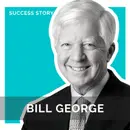
➡️ Like The Podcast? Leave A Rating: https://ratethispodcast.com/successstory
➡️ About The Guest
Bill George is a senior fellow at Harvard Business School, where he has taught leadership since 2004. He is the author of four best-selling books: 7 Lessons for Leading in Crisis, True North, Finding Your True North, and Authentic Leadership, as well as True North Groups. His newest book, Discover Your True North, was published in August of 2015 along with its companion workbook, The Discover Your True North Fieldbook.
Mr. George is the former chairman and chief executive officer of Medtronic. He joined Medtronic in 1989 as president and chief operating officer, was a chief executive officer from 1991-2001, and was board chair from 1996-2002. Earlier in his career, he was a senior executive with Honeywell and Litton Industries and served in the U.S. Department of Defense.
Mr. George currently serves as a director of Goldman Sachs and The Mayo Clinic. He has recently served on the boards of ExxonMobil, Novartis, Target Corporation, and Minnesota’s Destination Medical Center Corporation. He is currently a trustee of the World Economic Forum USA. He has served as board chair for Allina Health System, Abbott-Northwestern Hospital, United Way of the Greater Twin Cities, and Advamed.
➡️ Show Links
https://twitter.com/Bill_George/
https://www.linkedin.com/in/williamwgeorge/
➡️ Podcast Sponsors
HUBSPOT - http://hubspot.com/successpod/
➡️ Talking Points
00:00 - Intro
01:45 - Bill George's origin story
04:33 - How many people pursue careers that they’re not fulfilled or happy with?
06:24 - The concept of True North
10:49 - How to effectively action authentic leadership in an organization
12:28 - Leading an organization 30 years back vs now
15:24 - How and when should a leader take a stand?
17:32 - When should a CEO take a social stand?
20:10 - Advice for people who want to expand their business overseas
22:35 - Bill George on leading without True North
24:57 - What is Mark Zuckerberg trying to accomplish as a leader?
27:05 - Is there a place for a leader to be charismatic?
31:05 - Challenges leaders are going to experience in the next ten years
34:29 - What businesses are actually making a difference in the world?
35:56 - What can the new generation of leaders learn from the last generation of leaders?
37:57 - Advice for emerging leaders
39:41 - Where can people connect with Bill George?
40:47 - What does success mean to Bill George?
Advertising Inquiries: https://redcircle.com/brands
Privacy & Opt-Out: https://redcircle.com/privacy
Welcome to Success Story. I'm your host, Scott D. Cleary. The Success Story podcast is part of the HubSpot podcast network. The HubSpot podcast network has incredible podcasts like Entrepreneurs on Fire hosted by John Lee Dumas. Entrepreneurs on Fire stokes inspiration and share strategies to fire up your entrepreneurial journey and create the life you've always dreamed of. Listen to Entrepreneurs on Fire or Success Story wherever you listen to your podcast. Today my guest is Bill George. He's a former chairman in the chief executive officer of Metronik. He joined Metronik in 1989 as president and COO. He was chief executive officer from 1991 to 2001 and board chair from 96 to 2002. He's currently a senior fellow at Harvard Business School where he's taught leadership since 2004. He received his BSI with high honors from Georgia Tech. His MBA with high distinction from Harvard University where he was a baker scholar and honorary PhDs from Georgia Tech, Mayo Medical School University of St. Thomas, Augsburg College and Bryant University. We spoke about all things leadership. We spoke about one of his favorite topics true north. What does it mean and why do leaders need to find it? We spoke about stakeholder capitalism. Why that's so important. We spoke about how leaders know when to take a stand on social issues and how they take a stand on social issues. We spoke about authentic leadership. What does it mean? How do we define it? So it's not just a buzz word. We spoke about the challenges that emerging leaders are facing, what lessons the new generation and next generation of leaders can learn from the last and most importantly some of Bill's most pertinent advice on leadership and effective leadership and leading organizations for emerging leaders. I was the kid that tried too hard to become a leader before he was ready. He had part to follow my father's admonition that he wanted me to make up for his failures and to lead a large corporation. I ran for office seven times in high school and college and lost all seven and one of the best things that ever happened to me was some seniors at Georgia Tech, my undergraduate alma mater, took me aside and said Bill no one's ever going to work with you, much less be led by you because you're moving so fast to get ahead. You don't take time for other people and they were absolutely right. I was trying to lead without understanding leadership is all about building relationships and then in the middle of my career I was enrolled to becoming CEO of Honeywell. I was one of two leading candidates for the job and life was good. My wife Penny I've been married for 15, 16 years. We had a son just going to high school one in junior high and one day I was driving home and I looked at myself in the review mirror and when I saw it was a miserable person, me. And that was because I was almost like faking it to make it. I was trying to pretend like I was the the right person to be CEO and say just the right thing and dresses a certain way even where a couple of things which I'd never have worn and trying to impress the board of directors and top management. And it wasn't me. Everyone else can see I was in authentic but except yours truly. So I wonder going home and talking to my wife that night. She said Bill I've been trying to tell you this for a year. You just refused to listen. So I went to my wife's always always know they always know exactly and I think I was trying too hard to grab for that brass ring that my father wanted me to get and I went to my men's group the next day and he said well you turn metronic down for a job three times. Why'd you do it? And I said well you can see the coming out Scott. I always thought I was going around a large company it's come a midsize company and sometimes I didn't fully perceive how midsize companies can become quite large because at the time we're like 750 million sales now I think the company's like 32 billion so it's growing up a lot but more importantly I really had to face myself and to say what did I want? Leadership is not about a title it's about who you're working with and what's the purpose and I metronic I found the right environment for me where we had the mission that our founder created we're storing people to full life and health very value centered organization and so I fit right in and it was the best 13 years of my professional career and everything has happened the last 20 years in writing and teaching at Harvard Business School that's followed through that. How many people do you think don't have that self-awareness and push themselves into a career that they're not fulfilled or happy with that that version of you that was going to go into Honeywell where you were sort of not acting as yourself not acting as your true self to try and get this role do you feel like that's at an executive level do you feel like that's the significant portion of CEO C-suite could that lead to depression anxiety frustration and jobs something that sort of has historically that was clearly the case in the 90s when I was CEO and more recently I think it's changing now the CEOs we see in our new CEO program that I lead at Harvard Business School are much more self-aware and so you you see in my book Sachin Adele it talks about the importance of such self-awareness and empathy and qualities like that and I think the younger leaders today realize that they have to leave with their hearts as well as their head it's not enough to be the smartest guy in the room but you really have to have qualities like passion for your business which I didn't have at Honeywell the compassion for the customers you're serving empathy for your employees and maybe most of all the courage to make bold decisions and I think a lot of leaders got are too concerned about external what I call external ideolation money fame and power you know the prestige it comes with having a lot of money at big house getting written up in the newspaper having power of a lot of people measuring it up by how many people you have those things really don't matter at all and they certainly aren't lasting what really matters is are you doing something you really love and so I'm encouraging all the leaders I worked with and mentor you got to do something you love or better to go quit and sit out in the beach and decide what it is you want to do I feel like that's sort of the theme of some of the work that you've put out so the concept of true north I want you to describe that concept and I think that that's that would be the epitome of finding your purpose and your calling in a professional and personal sense correct is that what true north means absolutely true north is who you are at the deep at your deepest level it's the beliefs that you have that's your race whether you have the values that you live by the principles you lead by and where you find real joy and satisfaction and fulfillment in your life again it's not about the external motivations like money fame and power those things will come along by the way but you have to find the right place for you which will kill your sweet spot where you are highly motivated by mission values and see that wasn't true at Honeywell the mission was making money in those days it was sometime ago 30 years ago but you know and you aren't you a common engineer scam you really couldn't be yourself and I think today it's all about being authentic and that's what younger leader younger people in the organization the millennials which are more than half of your employees are looking for they want you to be real they aren't interested in some of you is terribly impressive they're much more interested in someone who cares about them it did interesting though because when a CEO is real and authentic and vulnerable that's super scary because then it opens up all the flaws in the business and it makes things seem not as and in reality things probably aren't as great as the CEO would like them to be so for a leader actually I want to I want to double down on True North first and then I want to understand how they can best do that while building and scaling an organization so first a leader that's that so you have somebody who wants to lead an organization whether or not they're building it from the ground up or they've worked their way up and they're trying to figure out where they want to place themselves and position themselves as a manager or an executive VPC suite director whatever how do you discover your true North how did you discover your true North outside the fact that your your wife called you out on being miserable and not being happy and not being in the right spot how can a leader effectively figure out and define their true North so that they can make more meaningful career decisions well I think you have to spend a lot of time developing yourself awareness it starts with understand your life story who you are or where you come from those are your roots it's like a giant tree is nourished by its roots your your values and the principles that you and beliefs you have but beyond that then you kind of deal with the difficult times as we you started out asking a question a difficult time well those define you much more than the good times the good times you tend to think you're better than you are and it's when everything gets stripped away that you realize who you are you look yourself in the mirror and I strongly advocate two practices for everyone including all the CEOs who you work with from MBAs to CEOs and that's one take 20 minutes a day for some form of introspection I I'm a meditator I've been meditating for 45 years could be some form of mindfulness it could just be going for a long walk taking a jog something kind of clear the mind put all the electronics away and think about how did I show up today was I the kind of leader I wanted to be which I was excited about what I was doing I feel fulfilled what and those are really important questions to ask yourself every day that's the first one practice I recommend people add the second one is get honest feedback can people around you they'll tell you what you don't want to hear they'll tell you the truth or how you're coming off I had a lot of people around me and my 20 people are obviously built you didn't handle that meeting well today a lot of people are upset you know you need people around they'll tell you the truth and I think 360 feedback particularly from your subordinates and your peers is the most valuable thing you can get and every class I teach at HBS so I could feedback someone's kind of painful but that feedback is how you learn otherwise you can be deluding yourself about how well you're doing that's the honest feedback and and then let's so then to follow up on that you figured out who you are as an individual you have a feedback loop in place you have time set aside for self awareness introspection so you've now slotted yourself into an organization in a spot where you want to be with a team that you want to work with but that whole concept of authentic leadership and even like radical candor and transparency for a leader that's usually probably a very scary thought so how do you effectively action that in an organization without jeopardizing the organization well I think that's a very good question because it is scary and I know for a long time I try to be the guy that had all the answers and you know then you're not really using the people you work with I think it's extremely important Scott for leaders to admit their mistakes because if you don't admit your mistake then the people working for you can't admit theirs and that's a form of vulnerability and or to say I need your help I don't know how to solve this problem will you help me and people invariably will help you if you're willing to admit that but if you think you act like you have the answers when everyone knows you don't you're going to be in trouble so I think that opening up now you just don't go to I town hall with 10,000 people and you know and totally do that but you can be very comfortable with people you're closest to and you need to know who those people are and that's why it's so important that people have around you both and your key leadership roles but also people who will mentor and guide and support you yeah and and what has and when you look at this the average leader and what they're dealing with in organizations let's let's look at what a leader would have to deal with 30 years ago versus what they're dealing with now so what is the difference in how you lead an organization what are the norms and what what is this sort of the status quo of what leadership is and then also why are some of the principles that are true north principles timeless so what has changed what has stayed the same and how did these how did these principles effectively these will be applicable in right now and also in you know 10 20 30 years from now with 20 years ago we were admiring the command and control style the all-powerful white American male if I may say yeah you know and Jack Welch is a pity me that but there are dozens of others who tried to emulate that style and moving away from that and I think everything has changed because today the people you work with have changed dramatically they want you to be real they don't want you to be an image they don't want to be some person the corner office driving a you know a Porsche you know they wonder who you are and what are the challenges you face and who you are you need leaders today you need to be out with their employees not sitting in looking statistics sitting in their offices or having meetings in their conference rooms they need to be out with their people and employees today want to know cis person for real can I trust this person and can I am I willing to give everything I've got to this organization because if I don't trust a leader I won't do it and so that's the big change that's a huge change and the reason I'm wrote the book for emerging leaders is I really feel like we need to have this generational change from the from the baby boomers if you will to the Gen Xers and the millennials and eventually the Gen Zs to take over leadership of our organization because they grew up in this they understand the other thing I would say Scott there's been an enormous change in expectations of our leaders in the old days you can just kind of put your head down do the job delegate out of all the work and make the numbers make your quarterly numbers stock markets please and everything's fine that's not true today we're looking for leaders to have a position on public issues to represent their employees in public when George Floyd was murdered here in Minneapolis any CEO in this town that not only had to speak out but beyond that needed a real plan to recognize the flaws in the organization relative to diverse people and how they weren't being treated properly and getting the opportunities and that's what people expected and frankly the CEOs in this town stepped up but that's a big change to know where you stand on things and your employees want to see that you're real and you're out there and Minneapolis was basically ground zero from one of the the most topical social issues in the past two years and obviously you you had proximity to that and you had CEOs that had proximity to that but when you deal with something like that as a CEO there's no playbook you didn't learn you didn't even learn about this I mean probably before in HBS maybe now there's there's more education and understanding about how to react and how to do things differently but outside of just improving your organization and improving a DE and I within an organization how do how does a leader react how does a leader take a stand when should a leader take a stand well I think anything that relates to your mission and values I think every corporation has to be clear about its mission or its purpose same thing and what its values and if it violates that and say you value diverse people and if it violates that you better step into it the the real backstory about JPEG at Disney is unlike Bob Iger he didn't represent his employees and then he shifted position in midterm and got himself an political maelstrom with the governor of Florida but what the problem was he didn't step out and take a stand on things so leaders today are doing that not just because it's expected because they're being chosen because they care about these issues and that's really important but I think you can't speak out on everything so you need to concentrate on issues that are really important your organization to its mission and its values and that's what it comes down to so if that's the only grounding you have there like you said Scott there's no crisis playbook for these things there's no COVID crisis playbook that existed three years ago there was no playbook for you know a black man being murdered by a policeman and with a video that goes viral around the world there's no playbook for this so that's why you have to know how to step up and you have to be have experience to having led through crises because if you haven't today you're not going to be ready when the big crisis comes along and and so something as close to home as George Floyd it makes a lot of sense for somebody to take a stand on but when you look at other topical global events like Ukraine for example well you can't necessarily make a ton of changes within your organization that are going to be directly tied to what's going on in Ukraine so should for example something like that should a CEO take a social stance on that even if they don't have international like you know international reach is that something that's I guess would like hit that threshold for CEO speaks out or does that start to seem like a distraction to the core business both I think they've been forced to the work's coming out of Yale is kind of calling people out but I think you know and they're outstanding companies like Cargill in this community Johnson Johnson who may have the greatest respect are staying in Russia many hundreds of companies like Goldman Sachs for sure done the board are pulling out but I think each company has to make its own decision then say why J&J would say you know our credo calls for us to provide life saving drugs to people we can't pull those out but yeah I think people had to take a stand have to take a stand on that now a trickier one is China because you know you can easily give up your business in Russia where it's going but it's pretty hard to give up the Chinese marketplace this is much trickier and the Chinese government's been so punishing of any one speaks out look what happened to Jack Ma who I featured in a previous book a CEO founder and CEO of Alibaba former CEO fantastic leader you know and he's been more or less isolated and disappeared for weeks months at a time he was very he was very outspoken and and and he got to the point where he was almost too outspoken and that's what I guess that spoke to him a little bit well more than spoke to him I think he got taken down so to speak not you know not physically but I think he was isolated but I think you know business leaders now in China and I frankly trying to stay over the sand of the radar not many business leaders American business leaders or European are going to go out and criticize the Chinese Communist Party or President Xi himself they're trying to stay below that radar screen because it's so important so I think some pragmatism and good judgment comes in here it's easy to say we disagree with Russia doing a new crane China you have to find a way to work with them it's going to be the world's largest economy you you can't just ignore it that's difficult um for an emerging for an emerging leader um because there is no black and white answer to this question but it's something that uh somebody who's listening to this podcast may be struggling with so when when you take a stance on that how do you how do you navigate that situation how do you how do you choose to I don't know choose to expand your business or not it's one of the largest economies in the world what would your advice be to somebody who is building a business start not already international but somebody who is starting to grow overseas how do you manage that relationship well I kept your respectful I've lived overseas just twice and traveled all over uh various countries early on establishing our business I think you have your respectful of the culture going into I think that's very important and you're not part of the political system of that country so stay below that even if you're in a neutral country like Switzerland where I lived or Belgium which is the center of Europe uh you're just being informed you but you're you're not in a position to start telling people what to do so I think you you try to do your business and you work out things that are really important to you like uh you know your products getting into the marketplace uh acceptance of uh your respect for your patent intellectual property and your patents I think that's essential that's a big issue in China so I think you have to have a policy how are you going to handle these things and again just uh in that case all these countries I say keep your head down do the job and uh don't get too engaged in the kind of local political issues that they may have I just want to take a second and thank the sponsor of today's episode HubSpot now if you want to organize your business you need a CRM if you actually want to grow your business you need HubSpot CRM with HubSpot your sales marketing customer service and ops teams will have access to all the same dynamically updated data so they won't get their wires crossed on where customers in their journey or how to convert them plus HubSpot CRM is easy to buy and easy to use so you don't have to waste valuable time onboarding your teams or managing software and you start seeing value right away learn how HubSpot can help your business grow better in 2023 and get a special offer of 20% off on eligible plans at HubSpot.com slash success pod very smart um one thing that I thought was an interesting point in your book um was a chapter that you actually wrote about leading without a true North and you brought two interesting stories you brought up the story of of Mark Zuckerberg and then you also brought up a story of Elizabeth Holmes so um obviously two very different case studies there but speak about speak about leading without true North in the context of maybe less obviously Mark Zuckerberg and more obviously Elizabeth Holmes well Elizabeth Holmes created a fraudulent company so I come more obviously that that's the medical field a finger prick is not going to replace the blood drawn the clean blood drawn from your arm that you can do 400 tests and she never proved it never tried to prove it and made a lot of statements it simply weren't true and I was on the board of Mayo at the time and they were not going to even think about that because they knew scientifically it wasn't going to work so but she got a lot of adulation and she became a superstar of when wanted to be successful I feel sorry for it because she's now going to jail but she never was the real deal now Mark Zuckerberg's a different case he here is a brilliant guy that had incredible breakthrough I mean the leading social media site he really established social media along with Twitter and others to follow but he had 19 he jumped in and really never had a chance to develop himself as a leader and so at first he had mentors like Don Graham who was on his board former owner of the Washington Post Cheryl Sandberg became his partner she was terrific more mature older person you could converse with but now he's kind of abandoned all that and he's become much more of a loner it's very sad because he's pulling back now he's trying to be macho going on Joe Rogan things like that this he's really very much at risk right now and so I worry for him and I think he got caught up in how many how many people were on the Facebook platform 2.2 billion it all became a numbers game and he lost sight it was he creating the kind of organization the kind of culture and the kind of sites and so he lost control or a site they grew too fast a sad story and one that was not going to end well what so what is your what is your opinion on all this because you mentioned he's going on Joe Rogan I saw a clip of him doing martial arts the other day what what is he trying to accomplish with this as a leader like how how do we sort of take what he's doing now and look at that as a case study for what you shouldn't evolve into as a leader which I'm not really sure what it is anymore to be quite honest it's it's weird but what is he what is he trying to accomplish and how do we how do we sort of highlight what you can do to avoid turning into what Mark Zuckerberg's turned into he was just too focused on numbers because focusing on numbers is not inherently a bad thing focusing on business success that KPIs not a bad thing no these are not about numbers at all this is about charisma he's trying to be charismatic this a huge trap I see this happening is happening to an extent with Elon Musk and Jeff Bezos as well they're getting caught up in this kind of what a charisma trap and and the media loves to play that gives them a lot of a lot of coverage but this is not where you should be I mean trying to be a super alpha male all three of these guys probably we're not the cool guys at high school and you're so hard to become cool now you know and it seems like that martial arts and all this stuff you know get back to being a human get back to being real to being honest and open but I sadly I see people get caught up in that even Jack Welch got caught up in the last five years EO trying to be the CEO of the century you know and you kind of get caught up with your own press you know as you know Scott to meet you can build you up and take you down pretty quickly and so I say to people be grounded in who you are keep your friends from high school and college be a real person I coach soccer for 12 years with a group of young boys growing up from seven to 19 well boy that keeps you grounded I can tell you they all came from middle-class families one of them with a homeless kid you know you know I learned a lot from their lives and you got to stay grounded maybe you're working a soup kitchen or something where you're you don't get caught up in your own he's excessively thinking you're better than other people this is a real danger now it's interesting because you mentioned there's sort of a dichotomy between Jack Ma was a great leader was very outspoken and was shut down but then all of a sudden these leaders that maybe were not so outspoken try to become outspoken and you praised the fact that Jack Ma was outspoken for a period of time he's a great leader but then you also highlighted the fact that people that weren't outspoken are trying to almost artificially become charismatic so is there a space for a leader to put themselves out there to be charismatic when running a business who's built I guess the personal brand correctly who's done it so that they are still authentic but they don't they do put themselves out there they do build a community a tribe a following but it's not cringe it's not it's not obtuse it's it doesn't seem forced well this will surprise you but I think Mary Vara has and CEO of General Motors so she's one of my former students before she was CEO and you know she has put it out there and very very bold premises like our vision is zero accident zero pollution zero congestion and wow that's of course mission impossible but she's working towards it and she phase out all electric cars and I know her people that are working on this it's the real deal and what she hears a woman that started on a production line at General Motors had you know she's had 40 years there working with people and so she knows how to help she understands the lives of frontline people she's an example of someone another one's done it exceptionally well is is Chip Urge Levi Strauss now Levi Strauss has always had a position of speaking out so Chip does and it's not about charisma it's not about his ego he has none of that vow but he's taken a clear stand and what he calls gun safety not gun control gun safety because it frankly my customers a lot of my young girls and boys that are scared they're in schools and I have to take a stand I want to take a stand and he recently took a stand out abortion he said this is a business issue this is not just a social issue it's a business issue we have to take care of our employees and provide for their needs for their health care needs so here's a guy another one close to that is Mark Benioff who was taken on the homeless issue in San Francisco he even proposed a tax for the tech companies to pay for helping the homeless in San Francisco I got a lot of criticism for that but hey to his credit he's out there and so I admire people like that Mark is more charismatic than St. Mary or Chip but I don't think it's about he's not trying to be that's just what he believes so ultimately it's about you just you just amplify what you actually believe and then you don't you don't play into some some media narrative of who you should be or you don't try and build this build this cult following exactly okay I got it I love it you don't plan to a narrative of what you should be you gotta be yourself and if you should be you know a macho person you know and have five hundred million dollar yacht like Jeff Bezos says come on man you know really do you know I went to Alan Page who I know well as a friend I wrote him up in the book because he's such a macy person his commitment is not to football it's the education and Alan has a foundation I said Alan how many people could get a two-year education saying both both tech and learn how to be a welder learn how to be a computer specialist or do computer graphics how many people could do that for five hundred million dollars he said about 60,000 so maybe we should put our money into these things instead of yachts sorry he'd be a cynic no it's good I mean there is a point there is a point where I mean how much money is is too much money right when you start talking about five hundred million dollar yachts it's a little bit yeah yeah I mean you have nice home I have a nice home but yeah it's got to be one that you really want to live in that that's becomes a burden I want to talk about I want to talk about some of the things that you experience at HBS and probably some of the things that have influenced your book and and and some of the content that you put out into the world so what are some of the what are some of the new challenges that leaders are going to be experiencing in the next 10 years emerging well they're all coming down to what is the role of business in society and see this has changed dramatically and it was kind of signal three years ago when the business around table said it's no longer shareholder primacy it's it's stakeholder of course shareholders are a very key stakeholder but so business today are being looked to by society to solve big problems whether it's climate change whether it's racism you or it's health care income inequality I think it's terrible that we have in the United States a seven dollar and a quarter minimum wage I don't care you know if you're working in a small restaurant that just doesn't fly people can't live on like that and we have do we have for instance businesses to take a role on this income inequality and I think the best way to do that is to raise people at the lowest levels to to understand take COVID the frontline workers of what goes to COVID rest of us are on zoom screens but they got us through COVID they were risking their lives to stock shells at Target or be a barista at Starbucks or like my son who's a surgeon you see us have he's not doing that from home I assure you so I think that's what business being called upon it's interesting Scott that 10 years ago business was at the bottom of the animal trust me at least trusted now of course that was a big impact of the banking collapse and the recession that followed but now it's the most trusted which is shocking to me why why would business be and I think people because of the political gridlock we have in the political conflicts we have people are looking to business leaders not to take not to be blue or red but to take a position to help solve problems and they business has the resources to get things done and I think that's terrific it is terrific but you know it's actually very frustrating when you said that it just made me think of something people are looking to businesses to take a stand because they do have the resources and they have the brains and they have the ability to do all these incredible things but the one position that you see businesses taking more often than not is unfortunately red or blue it's not it's not something that's going to fix the world it's businesses that seem to just double down on on again a trending political narrative which it doesn't really serve anybody doesn't really know and some of them are getting into purpose washing as it's called but the business leaders to see us I know don't want to do that they're saying Bill I want to engage in taking on these some of these difficult problems but I don't want to get involved politics and I say well it's pretty hard not to get drawn into it but they they're not I don't I find most of them pretty center maybe a little bit right of center because they're business people but they don't want to get involved in extreme causes I can tell you they're they're interested in running their business but using it to make a difference so we hear this word woke I don't think any business leader that I've ever met could tell you what that word means you know if they want to work on climate change is that being woke or is it trying to solve a problem just trying to hire all the person please they want more women and senior executives that's not being woke this is just having a better leadership team and what businesses what businesses are doing really good jobs at anything pick a pick a topic who's leading the way in terms of actually making change at a global scale or even at an organizational scale well I was talking to the CEO of Arsenal or middle who you know he we're talking about climate change because a lot of people are talking about purchasing credits and obviously the steel business world's leading steel producer throws off a lot of CO2 you know he's investing $10 billion dollars this public information $10 billion in reducing the impact it's not going to go to zero but he's working very hard to get there Paul Polman and Unilever has worked extremely hard on the whole climate change problem I think good for him because we're seeing people out there taking clear positions of why it's so important to have sustainable products and it benefited Unilever tremendously under his watch and I mentioned a couple of the others that I think are doing a really good job like like Chip Berg and Mark Benioff I think it's terrific. Indoor Nui took a real stand on nutrition and very challenging running PepsiCo but hey she did it and she stuck stuck with it for 12 and a half years as CEO and had a significant impact just lowering the amount of sugar and sodium in their products and developing other products that were very healthy so good for her. And what do you what do you think a new generation of leaders can learn from the last generation of leaders? Well they can learn what not to do in many cases and that's more important than you think learning what not to do but I think you know I featured in my book a number of role models among the baby boomers I've been mentioning some of them but you know people like Sachin Adela boy I'll tell you there's a person who has incredible wisdom about self-awareness now he is a baby boomer but anyone can learn from what he's doing he's incredible what he has done and turning around Microsoft from the disaster was under Steve Bomber wow luckily he's done in eight years so that's an example of a person you can learn from it's all about self-awareness it's about having empathy and as he said we got to go from know it all to learn it all and so anyone thinks so or the smartest people needs to rethink it you want to create an organization that was with one of the largest insurance companies in the world the other day and they want to create a learning organization that's what you have to do we have to constantly be learning learning about our customers learning about our clients learning about our business learning about how we fit in the role of society if we're going to reach a broader markets and so I think that's what's really key so you can learn a lot from a number of people a few bears you'll lead just did a fantastic job turning around best by getting the employees inspired he calls it human magic it's kind of a euphemistic term but that's what he did he got him really excited front line people and he went out and worked with the front line people so I think CEOs need to rethink their role completely in their in their companies get out of the meetings and get out of their own offices and get out with the people get out with the customers I spent well over half my time with employees and customers on the front lines just go to the lunchroom and sit down with your production workers say hey how's the quality of day they'll tell you mr. George we have problems you'll learn pretty damn quick you'll learn very quick yeah well so what would be your biggest or your best piece of advice for emerging leaders coming out of coming out of school now well number one is first just figure out who you are that's your that's your tuner but then find a place to go to work where your purpose and figure out your your purpose it may take you some time as it did me figure out why are you why are you spending all time leaving I'll tell you it's not easy a lot of pressures you're gonna get criticism and but you know you you figure out your purpose and then fine an organization which is aligned with it see it took me a long time through 10 years of 10 years at Honeywell before I finally found the place where I was really aligned with the purpose because I was diluted by running a bigger organization and getting caught up in that so I think that's the most important thing if you can find that alignment between what you want to do with your life and and the purpose of the organization I think the absolute worst thing I've heard Scott in recent years is this thing and I've talked about this last few months quiet quitting this is the worst thing you can do just give the absolute minimum to your job why would you do that life is short you know we can we should enjoy life it's not fun then quit and go go somewhere where you'll find joy and fulfillment that's the most and lead with your heart I think I've been telling students at Harvard Business School that since 2004 and they pressed well they they were laughing at first but it's not it's very serious you have to leave your heart not just with your head you can remember nothing else it's not about smartest person in a room it's about leading with your heart with passion compassion empathy and courage and if you can remember that you can become a great leader I love it okay I want to I want to get some socials and some links from you and then I have one last question I ask every guest so before we close this out um where should people connect with you so all the socials website where can people get the book um anything and also any closing thoughts do you want to you want to drop before we close up well I've built George dot org is my website got lots and lots of materials there articles I've written uh shows like this one uh accumulated there uh I'm very active on LinkedIn try to respond to the comments I get on Twitter until the lesser extent on Facebook so those three sites as well it's not hard to find me uh but I would encourage people I'd love to get into a dialogue with everyone listening to the show now yeah so that's that's what's uh that's how you connect so final thoughts uh final thought to everyone is be who you are and lead with your heart as well as your head to become a great leader and really use your life to make a difference in the world and if you can do that you'll have a very fulfilling life I love that um last question that I ask everyone you've had an incredible career uh what does success mean to you making a difference in the lives of other people I've decided the only through line to my purpose going all the way back to college years when I was mentoring and a lot of people and coaching a lot of people about their leadership right to the very present which is what I do uh today whether they're students I'm teaching in the classroom or whether people I know in other walks of life and my whole goal is to enable people to reach their full potential when they do that I get excited when I see a Mary bar doing so well that excites me it's not about what I do it's about what others are doing