


 YouTube
 Apple Podcasts
 Spotify
 Overcast
 Castro
 PocketCasts
 Amazon Music
 Deezer
 TuneIn
 Podcast Addict
 RadioPublic
 iHeartRadio
 RSS Feed
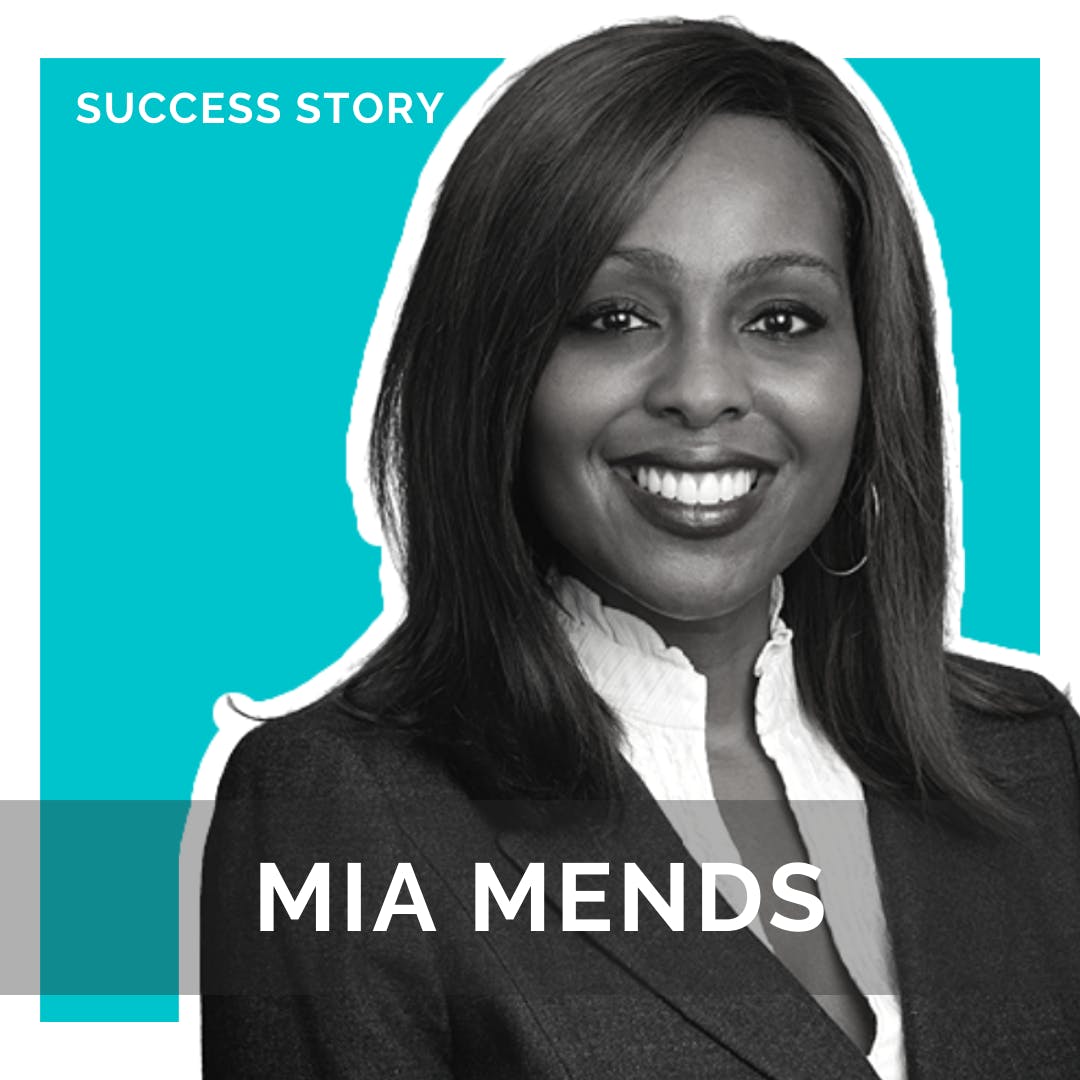
 Mia Mends, CEO Of Impact Ventures, Sodexo | The Future Of Diversity, Equity & Inclusion
➡️ Like The Podcast? Leave A Rating: https://ratethispodcast.com/successstory
➡️ About The Guest
Mia Mends is the Global Chief Diversity, Equity & Inclusion Officer, and CEO, Impact Ventures, for Sodexo. She is responsible for leveraging Diversity, Equity & Inclusion as a key business differentiator worldwide for Sodexo. She also oversees Corporate Social Responsibility (CSR) and Stop Hunger for Sodexo North America, and leads SodexoMAGIC, a joint venture between Sodexo and Magic Johnson Enterprises. Ms. Mends is a member of the Sodexo Global Human Resources Leadership Team and the North America Regional Leadership Committee.
Sodexo is the global leader in Quality of Life services. Operating in 64 countries, Sodexo’s 420,000 employees serve 100 million consumers each day through On-site Services, Benefits, and Rewards Services, and Personal and Home Services. Sodexo is committed to supporting diversity and inclusion and safety while upholding the highest standards of corporate responsibility and ethical business conduct.
Ms. Mends mentors passionately—both formally and informally. She has founded her own non-profit, Seven Sisters to Sisters, and serves on the boards of Girls Inc., the EMERGE Fellows program, Catalyst, and the Greater Houston Partnership. She also sits on the Business Leadership Council at Wellesley College and the Harvard Business School African American Alumni Board. She is a corporate director for H&R Block and Limeade. Ms. Mends was recognized in BLACK ENTERPRISE'S 2019 Most Powerful Women in Corporate America feature.
➡️ Talking Points
00:00 - Intro
01:02 - Mia Mend’s Origin Story.
06:05 - Why Did Mia’s Parents Decide To Move To The USA?
10:11 - Where Mia Started Her Career?
14:10 - People Who Helped Her To Grow Her Career
17:07 - How Mia Grew Into The Person She Is Today?
22:09 - Do People Have a Problem Saying Yes?
25:30 - How To Find Your Proper Position In Life?
27:30 - Specialist vs. Generalist
31:21 - Helping Is The Key To Success
35:20 - Post-Covid Life
41:04 - How To Move Your Organization To The Next Level?
45:35 - Why You’re Having Trouble Focusing
48:25 - On EcoSystems
54:35 - Where Do People Connect With Mia?
55:21 - The Biggest Challenge Of Mia’s Career And How She Overcame It
56:53 - Who Is Mia’s Mentor?
57:24 - One Thing To Tell Your 20-Year-Self
57:55 - A Book Or A Podcast Recommendation
59:30 - What Does Success Mean To Mia Mends?
➡️ Show Links
https://www.linkedin.com/in/mia-mends-she-her-3ab2222
➡️ Podcast Sponsors
1. CROWDHEALTH - https://joincrowdhealth.com/99 (SUCCESSSTORY)
2. NETSUITE - https://www.netsuite.com/
3. LADDER - https://ladderlife.com/successstory
4. HUBSPOT - https://hubspot.com
Advertising Inquiries: https://redcircle.com/brands
Privacy & Opt-Out: https://redcircle.com/privacy
Welcome to Success Story, the most useful podcast in the world. I'm your host, Scott DeClery. The Success Story podcast is part of the HubSpot podcast network. The HubSpot podcast network has incredible podcasts like the Salesman podcast hosted by Will Barron. Now, if you work in sales, you want to learn how to sell or you want to peek at some of the latest sales news and insights, you need to listen to the Salesman podcast. The host Will Barron helps sales professionals learn how to find buyers and win big business in effective and ethical ways. If you think any of the following topics resonate with you, you're going to love the show. How to find and close your dream job in sales, 12 essential principles of selling, digital body language, how to have better zoom sales meetings or how to tell a remarkable sales story. If these are topics that would interest you, go check out the Salesman podcast wherever you get your podcasts or at HubSpot.com slash podcast network. Today, my guest is Mia Men. She is the Global Chief Diversity Equity and Inclusion Officer as well as CEO at Impact Ventures for Cadexo. She's responsible for leveraging diversity, equity and inclusion as a key business differentiator worldwide for Cadexo. She oversees the CSR corporate social responsibility portion of the business as well as stop hunger for Cadexo North America. She also leads Cadexo Magic, which is a JV joint venture between Cadexo and Magic Johnson Enterprises. Now, Cadexo is not a small company by any means. They operate in 64 countries. They have 420,000 employees. They serve 100 million consumers every single day. Outside of her work at Cadexo, she mentors passionately both formally and informally. She founded her own nonprofit, seven sisters to sisters. She serves on the boards of girls and the Emerge Fellows Program catalyst and the greater she's the partnership. She also sits on the Business Leadership Council at Wellesley College in the Harvard Business School African American Alumni Board. She's a corporate director for H&R Block and Lime Aid and she was recognized in Black Enterprises 2019's most powerful women in corporate America. So we spoke about her career, some of the lessons that she's learned as she's moved into some of the upper echelons of Cadexo working as global chief diversity, equity and inclusion officer. We spoke about the importance, of course, of diversity, equity and inclusion. What it actually means. It's a word that's thrown around a lot but how has it become more important than ever? What does it mean in terms of what a company should do to have a proper DE and I program? How does it impact everything from your revenue to your hires to your culture within the organization? We spoke about some of the programs that she's worked on within Cadexo as a model for other businesses and other entrepreneurs and other founder CEOs to model in their own businesses. We spoke about basically the top things that you have to do to create a truly inclusive, a representative and equitable business but also an inclusive, representative and equitable society. And she has incredible insight. She's an incredible person. I'm happy to have the chance to speak with her because what she's doing at Cadexo should be a model for every business out there. So this is a great piece. If you have a company and you're trying to figure out how to do DE and I properly, you have to listen to Mia. She's basically the most well-versed smartest insightful person on this topic I've ever spoken to. So let's jump right into it. This is Mia Men's, the global chief diversity, equity and inclusion officer as well as CEO at Impact Ventures for Cadexo. I always start with the fact that I'm an immigrant. As many people are in this country, this diverse country that is the United States of America but I move in my family when I was eight years old. We fled a coup d'état in our home country of Ghana and so I would say that that journey from a very stable, happy life. My parents were accomplished professionals when we left Ghana. We went to the UK expecting things would get better and they didn't. So my parents decided to start over in the United States and came with nothing but our suitcases and their three young daughters and I would say that that experience even though I was eight years old and was instructive and it is informed that journey is informed everything that has happened in my life and has given me a deep sense of purpose and conviction about how I should be using my life. It has forced me to be grateful, to be humble. My parents taught us to have incredible work ethic to know that there was nothing we could take for granted that we were not to squander opportunities and so I think getting those lessons at a very young age plus love, love and affirmation, being you know black girls in the United States of America has so much connotation and I think my parents just reinforced that we could be and do anything and when you get that message at pivotal moments in your life it is transformative and it's why I think so much about the youth of this country and the ways in which adults grownups can can nourish them, can reinforce them, can enable them because it is it is teaching children in those very precious informative moments of their life. That's what makes creates adults who can change the world. So I am grateful. It was not easy but I'm grateful for the hardship of the journey because it has made me resilient, it has made me willing to embrace risk and more than anything I think I live in this place of ongoing joy and gratitude because I know that it can also it can be gone in an instant. Yes so when you and that's it's an incredible story, I didn't know your backstory going into this so I'm always like to learn as I go. So when you left when you left Ghana you went to the UK first and you ended up in the US, why did your parents believe that even the UK was not the the right the right spot for your family to rest? What was the differentiator in the US that made them feel like this is where they wanted to raise their family and to settle down and what was it about the US? Yeah so the first thing that I'll say and I think this is common for most immigrants, nobody wants to leave their country, it's massively destructive, it is frightening, you know you're a foreigner, you go from the comfort of a of a life that you've known in the language in which you've known it with you know comfort and and consistency and then in a moment everything changes and so I don't know that it was a choice but I think for them it was a necessity because they wanted a better life for their children and and and we came to this country in the early 80s so it's been several decades but I think this idea the universal idea of of the American dream is is held dearly by most people in the world particularly those who live in developing countries and so it is synonymous with hope and opportunity and education and I think my parents bought into that dream and tried to actualize that for us but I would say that my parents sacrificed that we could have better I don't think it's ever been easy for my parents because they were not educated here the difference between my sisters and my parents is we were educated here and my parents ensure that we got the best possible education which is given us every advantage in the world so I will say I don't know that it was it was a choice that they made freely or happily I think it was circumstances changed and it was a matter of survival I just want to take a second and thank the sponsor of today's episode crowd health now as we all know open enrollment is ending soon it's time to think about the best healthcare option for you and your family and I know a lot of people are still trying to figure out what to do and when it comes to healthcare it's important that you're getting your money's worth crowd health helps you with covering medical expenses it's a more flexible and affordable healthcare option without the hassle of insurance so while you're shopping around don't forget to join crowdhealth.com slash 99 find out how crowd health can save you 40 to 60 percent in healthcare costs every single year and just to give you an idea of what crowd health is crowd health isn't health insurance it's a modern way to pay for medical expenses crowd health is a community of people who are tired of paying into a broken system being in the crowd health community can save you hundreds of dollars in monthly expenses and put thousands of dollars back in your pocket now you're probably asking why would I choose crowd health over traditional insurance three main reasons flexible simple membership base membership is a monthly subscription starter stock whenever you want there's simple and transparent pricing that fits exactly what you need to use it all you have to do is scan bills and throw them away crowd health takes care of the rest now crowd health is able to offer incredible pricing because of its community of health conscious members and they put together a special offer just for success story podcasts listeners so get your first six months at just 99 dollars per month that's a savings of almost 50 percent after standard pricing and a lot less than one of those crappy high deductible plan just go to join crowd health dot com slash 99 and enter code success story at sign up that's join crowd health dot com slash 99 and promo code is success story enter that when you sign up remember crowd health is not health insurance it's a community powered alternative terms and conditions do apply now as you were growing up in the us you mentioned that there was certain things in your childhood that imprinted on you that that has sort of shaped and guided your career walk me through your early your early career did you go to you know your first job with with the end result in mind that you wanted to work in diversity and inclusion and I also wanted to find what that is and and and what that what you actually do today but so what was you know you you have all these you have all these you have all these things you learn from your parents but how does that guide and shape your career path as you grow yeah um so I think the first was I learned to be ambitious and to do the things that people that I could not do and um and I thought was prellery and force when I went to wealthy college which it's an all women's um school college and you're in an environment where you're told as a woman you can be anything you can be great and so everything started to feel accessible when I was at wealthy that why not me I just I mean that that and I I use this this language so carefully but that sends of entitlement in the best possible way which I think women and those that feel disenfranchised in some way need to year consistently why not you and I got those messages very early and so it just allowed me to raise my hand for things that um maybe were less traditional um so I don't know that I went left college knowing exactly what I wanted to do but I did I was an economics major and I did understand very early on I understood the importance of the power of business I did understand that and and so I always I knew that I wanted to do something in business but I would say my understanding of business actually was was probably quite limited when I was leaving college um but I ended up in a great organization um that was bringing in people that like me so college students and putting them through through a rotational program as it was with city bank dinosaur club city bank um I didn't love my bridge out but pointed out I learned a lot and there was nothing because I think all of us lead school and we just have this this like this image of what work is going to be like and it's always much bigger than the reality like the reality was I had to start somewhere and I had to learn and so nothing that I was doing is particularly glamorous I was running credit card campaigns and looking at the point oh two difference in response rates if you put something on the back of the envelope versus the front of the envelope now I'm dating myself because we were still sending direct mail um in the in the in the 90s um early 2000s when I was when I was when I started working and um and so I uh I think it's just it just reinforced for me that there are no shortcuts like those were the early lessons uh that everybody has to start somewhere and sometimes you just have to do the things that not necessarily interesting or pleasant but they're part of the journey I also got in my first shopping point of sponsorship because I had an incredible sponsor who just helped me navigate you know for four years it's helped me navigate people the role the learning and ultimately my decision to go to business school um which was something that I knew I would probably do at some point but the idea that I could go to Harvard Business School I mean that was that also became accessible through great sponsorship and again this idea of things felt why not me why why should I at least apply and and so Ken it's just it's having those people those moments in your life who can enable great things just because they believe in you because they believe in you I had that do you think that that that understanding that perhaps like finding those people that can help move your career forward um is like it's a huge life hack where did you learn where did you learn that was that something that you picked up um when you were going through college or was that something that you just you were looking around you you understood that the power of sponsorship and I asked that because I don't think everybody just intuitively looks for sponsors and mentors unless they have somebody that's gone out of their way and helped them and they see the power of that person and then they they understand that that is really quite literally where how everybody gets to where they are and I don't think that's a bad thing to say I think that everybody has mentors who has help who has sponsorship um I truly don't believe that anybody in the world is is truly self-made I think that even the most incredible people have had incredible amounts of help along the way so but you you found that early on and it's obviously something that uh you know you've you've done effectively and used effectively but where did that where did that understanding come from then I love that question because I only understood that much later in my career what I always appreciated was the importance of power the importance of authentic relationships and I genuinely always liked people um and I've always invested in building really good relationships where that are mutually beneficial and um and so and so that that desire to reach out to connect um that creates what I found what I found is people people then all of a sudden sort of assume this vested interest in you just because they care and so what I will say is every relationship is about very organic and has started from a place of just wanting to be a good friend and partner to people and receiving that in kind and tenfold and so I think now I appreciate the importance of um of sponsorship but I've never asked anybody to be my sponsor I rarely ask people to a mentor it's just happened and I think that is the right mindset because I think if you go into any relationship expecting something you're not going to get a whole lot but I think it's how can you bring um something of value to every person in your life and sometimes it's just about being honest being that truth teller asking for help I mean it's maybe it sounds so basic but it's it's it's remarkable to me how few people are willing to just ask for help or willing to say I don't know are unable to be vulnerable and when you can be those things it creates space for people to just organically be those gap pillars for you and that's what's happened for me in my career so so you do understand that you know not everybody uh needs to know everything and and you can be you can be a little bit um you can put yourself out there ask for help but also know your own value because you can bring value to those relationships as well and I think that having that self confidence it's almost funny it's like it's it's like the self confidence and and the willingness to to humble yourself and ask for help and things that you don't know and that's something that I think is a like a major career hack life hack um but absolutely so let's let's keep going through your career so yeah you did a lot of unsexy jobs a lot of unsexy jobs so over 25 years I've worked for four companies in airline payment banking and as I started to get into my 30s this idea of being mission driven in my work just being so critical for me and so more than finding that right job I just really wanted great companies that thought about their work in broader societal terms and that's probably how I made the company decisions because I think if you if you if you join a great company you inherently believe in the mission the job can be anything and in fact that's what I that's that has been my experience um I've been at SREX for almost 10 years this is my fifth job and all of them have been drastically different have pulled on a different set of muscles or skills and a lot of them relied on somebody's perception of my potential versus achievement because I was always going into jobs where I knew very little um but I will always say that I probably had the prerequisite skills which were um curiosity agility um vulnerability which has allowed me to ask for help when I didn't know um high EQ you know being pathetic and in the way that I think about the business and people I think those have been just fundamental foundational characteristics that have made every every job I've had possible um because everybody has to come to the table with a certain minimum level of business prowess but like that stable stakes now it's how do you apply your knowledge and I think that maybe that's been a differentiator for me um and I guess it's also been my willingness to say yes I mean one I'm fortunate that I've been asked to do really interesting jobs when I often didn't think I was ready but I would also say that again this is part of my my upbringing is the willingness to just say okay I'll try um and that was probably most evident when I decided to take the job in Brazil and I just want to set the stage for you because it was my first job at Sedexo and I just I fell in love with this company just on the public image they checked every box for me the mission the values um the sense of responsibility for community um but when the job came it was to move to Brazil it was to run sales I'd never run sales it was eight countries and Latin America so I needed to just learn Spanish and Portuguese I mean new industry everything and some of my husband and I looked at each other we had two very small children at the time we said let's do it um and and I just think about like what was my most of the thought I was absolutely crazy but what what was my mindset at the time one was this notion of well why not me that that came into play and that then the the ability to embrace risk in that okay what's the like the calculation for me was what's the worst thing that can happen and if I can live with that worst case scenario then I'm going to so it was I say it was calculated risk um but I suppose there's also the desire to push myself and to do the things that are that are impossibly hard I don't know if I want to do that kind of hard again but I it was tough I'm sure it was very tough so hard on so many dimensions but I I would have treated that Brazil experience much differently now 10 years later knowing what I know because it was it was it was so hard but it was so hard because I made it so because of the way that I internalized and my like my ability to cope and be resilient his increased as I have had hard jobs and as I've grown as a as an executive as a parent as a spouse as a right like I just I'm a much different more evolved mature person now so I know that experience would have been drastically different I wouldn't have suffered in the same way that I suffered then do you think people have a problem saying yes too much or too little I think more people have a problem saying yes too little especially if you're a woman if you're a woman you you want to make sure you can do every aspect of that job before you say yes and I think that's what we can learn from our men counter our male counterparts is willing to take a little bit of risk even if you don't check every box but I think it's also it is it is fatal to say yes too much of you don't have the maturity because then you end up in situations where you are then way and over your head and you don't know how to use the resources around you to navigate those situations so again I think humility and vulnerability is huge huge in big roles because you're not going to have all the answers and you can't pretend you do so my motto has always been particularly is my career's progress and I've been more and more and more challenging environments my motto has been it's not my job to have all the answers it is my job to ask the right questions and to help those experts around me discover the answers like that is the role of leadership at the end of the day is to subordinate your who you are to those around you and to enable other people to reach their fullest potential I always believe that and it's I hope I've actually liked that in my role I just want to take a second and thank the sponsor of today's episode net suite now picture this this is it the putt to win the tournament if you sink it the championship is yours but on your backswing your hat falls over your eyes is this how you're running your business poor visibility into what's actually happening because you're relying on spreadsheets and outdated finance software to see the full picture you need to upgrade to net suite by Oracle if you are a business owner you need visibility into what's happening in your business net suite gives you that visibility it gives you visibility over your financials your inventory HR planning budgeting and more net suite is everything you need to have visibility to have control and most importantly to grow all in one place with net suite you can automate your process and close your books in no time while staying well ahead of your competition 93% of surveyed businesses increased both their visibility into what was going on as well as their control after they switched and upgraded to net suite remember net suite is rated the number one cloud financial system to power your growth and over 27,000 businesses already used net suite and right now through to the end of the year net suite is offering a one of a kind financing program to those ready to upgrade at net suite dot com slash Scott Clary so if you want to take advantage head to net suite dot com slash Scott Clary for a special end of the year financing on the number one financial system for growing businesses that is net suite dot com slash Scott Clary I was going to say so that seems like that has been the driving force behind many of the career decisions as well to to be a better leader and to help other people actualize themselves and whatever role it is so with with Sadexo you were in sales in Brazil might be that's one hell of a move okay so you're in sales in Brazil and then you move into various various different roles but you gravitated towards which I'm assuming is your current role which is global chief diversity equity and inclusion officer is that is that correct as a current as if you're currently doing with okay perfect I wear a couple of hats so it's diversity but it's also what we call impact I have a couple of impact functions so corporate social responsibility in North America's part of my responsibility the stop hunger foundation which is Sadexo's commitment to end hunger Sadexo magic which is our joint venture with magic Johnson Enterprise it's a minority certified business so supplier diversity and so for me it's it's the combination of those roles that I really love I will say very honestly I didn't gravitate to DE and I it was this was never my ambition because I always felt like I was a DE and I leader and when I was in a business and operational roles I actually thought that I could more powerfully realize our DE and I ambition because you've got more levers when you're leading a business and so I will say honestly that I resisted you know I don't I'm saying it honestly because it's not something that I say often but but I think it's the it's the it's the honesty of my journey is I didn't see myself in the role because I thought I can do it more powerfully in other ways but I did ultimately always say I'm in the job because I I had the moment of reckoning which was I can actually do some great work here because it is so important this work is so important but it doesn't just live within me D and I have to live within every leader in our in our company if we are I'm an enabler of the work let me put it that way yeah I'm enabler of the work but it has to be actualized for every leader in our company I think that's probably that's an incredible the way you said that is is very well put I think that the issue with just having a DE and I role is that it seems to be like a siloed role that checks a box versus that was a concern you had that was totally the concern you had but you've have come from all of these operational roles you've led revenue and have right like which is one of the most important aspects of the business you can speak to all the other things that people are doing in the company even if you're not sitting in those roles with a focus on DE and I which I think is actually very important so I think it's because you've come from all these different worlds in business that actually probably make you more effective than just somebody who is just hired into that role and is trying to manage up manage across and they're running into blockers everywhere because everyone's like listen I have my own KPIs to focus on so this is I think that's I think that's probably while you're doing it well you know if I'm just you know thinking from from the outside looking in but I'm also curious like for so what is your role actually in tail for people that work in companies that don't have this particular role or for people in companies that do have it but they feel like they're not doing enough what what does good look like when you actually have this person in a company so let me tell you I think good ultimately is not meeting this person in a company and I put myself out of out of out of a job because good in DE and I is that it becomes so embedded and so institutionalized that it survives in the absence of people like me and that is that is a utopia that I don't know that I'll see in my lifetime oh my goodness I wish I would and it's what I'm working towards every single day is how does this live on its own and my team will tell you I mean I use institutionalized make it that I use that those words every single day and that but that is what I love about what you said is that does require an understanding of the business and how things get done because when you think about all the levers you have to pull I mean it's thinking about the the the business ambition the business strategic roadmap the employee value proposition and the work we do in corporate social responsibility all of those things are can enable DE and I but you have to know how to embed them and so that's the work that we're that we're doing today and that requires an army it requires conviction at the very top from the CEO but it also requires an army of volunteers and I don't think you can do this work with that what we call employee network groups ebrg's but these are the people that on top of their day job are helping DE and I bringing DE and I to life because the beautiful thing is when you can find volunteers in the business that spend their time with these business resource groups they are also thinking about how DE and I move the business because these are your salespeople they're your marketers they're your operators right and so I think there's such power and I think a lot of organizations take that for granted in giving a lot of leverage to your employees resource groups to bring this work to life but I mean but if if I leave this this this podcast with no without if I leave that this podcast the one thing the one message I want to convey is this work has to be deeply grounded it has to be it these are it has to become systemic otherwise it's it we're chasing something that will continue to be bleeding do you think that you would have and this is going to be a I like asking questions it may not have like a right or wrong answer because it just forces people to think so do you think you would have more success helping somebody helping individuals at a community level feel confident enough to find sponsorship feel entitled enough to say yes to every opportunity if they feel they can take it on or do you feel like a true DE and I like moving the needle does come from people like you within corporations where do you find that you'd have the most impact because both can impact I think it's yes and I mean I think it's it's both of those things and that's what I when I talk about DE and I talk about the ecosystem and that all of the pieces actually have to be working in unison to create that one plus one equals three and so there's nothing about my job that I think I can do discreetly I think it is a confluence of factors and that to reach that like that amazing equilibrium it's all these pieces you have to get all these pieces right so I I think it's a really great question and I I'd say it's it's both it's both all plus more things that we probably thought of yet but what I what I when I took this role like my first assessment my my audit was what is what are all the assets that I have at my disposal because we try it we talk about DE and I as something that should flow throughout the business but that doesn't just happen like nothing change doesn't just happen transformation doesn't just happen so intentionally what are the assets that I have at our disposal and how do I leverage every single one of them that's what we're doing I just want to take a second and thank the sponsor of today's episode latter now over the past two years and a bit I'm sure we've all realized that how precious and fragile life can be in the last thing that you want to be worried about when something horrible happens is how you're going to afford it and that's why I am a firm believer in life insurance so that if something does happen you're not passing those costs onto your kids or your family now if you're asking yourself how do I find affordable long-term coverage how do I find affordable monthly that can protect my family from anything that happens well the answer that question would be latter because if you wait longer life insurance does cost more money so when you set term coverage when you're young you can get incredible coverage for a relatively low price and latter is 100% digital so no doctors no needles no paperwork when you apply for three million dollars or less you can just do it online need a few minutes phone and a laptop to apply latter smart algorithms work in a real time so you'll find out if you're instantly approved if you refer to talk to somebody they also do have a team of licensed agents they don't work on commission so they'll help you they won't upsell you there's no hidden fees you can cancel at any time and you can get a full refund if you change your mind in the first 30 days and latter policies are issued by insurers with long proven histories of paying claims they're all rated A and A plus by AM best so finally latter is offering an option for people that want to protect their family that want to start getting behind life insurance at a younger age so if you want to see if you're instantly approved you can go to ladderlife.com slash success story you'll see if you're instantly approved that is ladder L A D D E R life.com slash success story that's ladderlife.com slash success story and let's okay so we can also be very candid like over the past you know two years there's probably been the most stress in the US and in recent history just because of COVID social justice issues um do you think that we have a chance of of moving things forward in a positive way coming out of this two-year stint because of all the lack of editorum shit show that has happened or do you think that we're going to go back to business as usual and it seems like a lot of the stuff is swept under the rug. yeah it's a question I think about regularly because last year last year was was an inflection point I kept thinking is this an inflection point or is this a tipping point um and I think it's still an inflection point uh that we are not so changed or moved that the change is just going to happen and the change will be sustained you know we've also had this is the moment this is the movement um and I actually think the George Floyd's murder was such a powerful catalyst and I don't think we have to acknowledge we're not the same we are not the same and because I believe in the human capacity behind that and for empathy um nobody could see what happened and not feel changed in some way um but we've also seen a lot this year and how do you become how do you ensure that people don't become sensitized um desensitized I should say desensitized I think that is um that is that is part of this journey is that we need to continue to feel the pain of things but here's the other thing that I always say change happens when a dominant group decides it has to happen you know it's not you can't look to black people to solve the issue or a Latin people to solve the issue it is because the dominant group says it has to change and we're part of that change and that requires that those in the dominant group some of these have to subordinate their own interest interest self interest or instinct for the collective good and that is hard very very hard it's and I was actually going to ask you something I was going to say do you think that you I actually appreciate what you said about you you sort of have faith in in humanity and that we default to good but I've also seen I've also seen like this boiling point a lot of people have been more separated than ever more more separated and and almost like more having like a wallop than pre-George Floyd yeah yeah because what a size the issue right it's becoming um race has been it become a rallying cry no matter what side you're on and that is that is sad because it is it has taken something that is for me um about human rights and and and the best possible societal outcomes and we've made it a polarizing um you know divisive issue but here's where I have hope and I I'd like to think that every generation has said this but I'm I'm I'm going to believe it when I look at my children um because I just I do believe that there is going to be some generational impact here and that this the next generations coming behind as I mean I see in my children they are so enlightened they are purpose driven they are convicted young people possess an audacity like they're just like why not that I love so much um and I think they really see right from wrong in the most clear terms I think we can all you know if you get older you learn to compartmentalize you you learn how to rationalize for our kids it's just so clear like there's very little gray and somewhat they're seeing and I have conversations with my children um you know one is 14 the others 11 and sometimes it just it's like like dumb mom like it's so obvious to them and I just like how can we not kill that because are we all like that it's got like all like that nothing changes well I thought I see that's the thing like well I thought I thought I was like that growing up but then here here like everybody thinks they're like that growing up and then here we are in 2021 and we're still like like I didn't think again it's probably it's probably an entitled perspective but I didn't think these were the issues I didn't think these were as prevalent as they were but I'm actually I guess I'm Canadian I didn't see as much of a political divide that's for sure in Canada as I as I see in the US I didn't see these issues to that extent that I just saw in the last year when I was growing up so yeah I hope that I hope that you're right I hope I really do hope yeah if we didn't believe that we would stop like we would just say there's nothing to fight for so I I feel like yes I choose to believe it and maybe it's a naive perspective but it just means that we are going to be living in this space then and that is like that will kill us all yeah like that is that will will implode and so I think we have to believe that something's going to be different and we have to believe that our children will make it better yeah I agree I agree okay so if we are going to if we're going to to move the needle on this do you have do you have a list of the most important things that I let's let's we can take it to an organizational level because that will probably help people that are also listening and we can also extrapolate that to a societal level which gets gets a little bit more high level but and and maybe a little bit esoteric but still we can we can do a little bit granular as well so in an organization for example what would be some things that could move the needle you can pick like a few that maybe you've even executed on yeah yeah um so I think the first thing it is a repeat of what I've said because I do think this is fundamental I think organizations have to make sure that this is not like a bolt-on but it really is embedded and because if you look at it through that lens D and I is more than a a program or an initiative but really a function of who you are as an organization it does inform the lens through which you approach trying to solve the problems and so I do think that that notion of institutionalizing is so important um I think the other thing is the notion of allyship because again you and I talked about the the dominant group has to decide that this is much bigger than than themselves and that they have to think about the collective good and so we talk a lot about allyship and the role of white men in particular like we're very explicit about that and and it's delicate because you know a lot of my white colleagues get get exasperated with this notion of white privilege um and because everybody's in a different place and it's not to say that you have not suffered in your life as a white man but it's just acknowledge that you have a certain amount of leverage that allows you to do things and to accomplish things that people of color women cannot easily and so what do you do with that power but that is that is also a fraught notion and so how do we look at allyship through a different lens and I call it instead of talking about DE and I call it empathy um it's it's just learning how to care about your fellow human and that if you can really teach that and I'm we're working on how do you teach that um how do you teach about caring about humans is that do we have to teach that's very sad we do that's very sad or or to remember that the way you care for the people you love in your life can be extended into the workplace that we want you to care about your employees lived experience because if you do it compels you to want to stand authentically and instinctively in defense of them and there is so much power in that as well right stop looking at it as a DNI you look at it as I just I just want my fellow human partner to be okay to be safe when they walk out the door and get in my card to go home that like we actually do have to teach that because if people inherently possess that it would solve a lot of our problems it really would so I think moving to a pro human high empathy um corporate organization that is like if we all decide I think COVID has forced that in some way like you couldn't get away from seeing like your your your colleagues kids on the screen because they were in and out right you just you got to censor people's lives beyond work and I think that's been really good for us it's not now what do we want to do with that do we want that to to change the way that we we lead and we manage and that's what I'm arguing is it should recalibrate the way that we manage performance the way we think about growth and talent development um and I think we need to reward that as a skill set so if you're if you're a leader who who knocks out the ballpark from operation perspective but there are indicators that you're not building inclusive teams that you do not you're not exhibiting those empathy behaviors that you shouldn't be promoted I mean how's that you're not going to be rewarded if you're not doing the things that organizations say they value so organizations have to say they value um and then maybe the last thing that I would say which is a little bit of of how do we think about this outside of the workplace just raise good children it's it's what we were talking about right because it's like we used to be that way what happened but it's it's it's raised children to be exposed to be kind to be empathetic to be allies because then you don't have to teach it in the workplace because these are lessons that children are getting and are getting reinforced but something happened something happened to remove it so how does it get reinforced every day I love that and and actually I want to so I want to actually just go back to your second point because I thought that was also something very important because I want to I want to bring up the classic argument and I want to get you to speak to that classic argument where I just hire based on um based on the most app person for the job right and and that's how I hire and that's how I gain the guarantee that I'm going to have a successful business unit and whatnot I'm sure that that is probably the most commonly used argument for why they're not why somebody isn't focusing on uh you know D E and I so so what do you say to that person yeah it it is an argument that I hear too much in this role and people don't even mean to say it but the notion is that if you start to focus on diversity you dilute quality and somehow this notion meritocracy is it odds with a diverse and inclusive culture and that has to be rectified that because that that sort of that notion in and of itself can base bias and so I call it out I do when when people say but but they as we qualified questions would you say that if you were hiring a white man so why do we automatically go then we start talking about hiring women in people of color so that in itself is a bias but I think people who really pay attention to this the hiring of diverse candidates will realize that there are many talented diverse candidates you might have to work a little harder to find them you know and I love I love getting the calls it you know from recruiters who do you know because I will send them 10 resumes that they may not have had access to or they just because that they're network right so it's what commitment are we making as well to say how do I ensure that I just know more people how do I expand I get out of my bubble and do the things that expand my network um so I'm glad that I can I can enable some of this but the magic is when those recruiters don't have to call me because I'm a black woman and I happen to know in lots of amazing black people um it's that it's already accessible and visible to them because this work becomes so mainstream and listen I know we're we're far far away and so we take the baby steps but it is I mean look at the data look at the education rates of women versus men even right there's just there is no it's it is that people are looking for great opportunities I mean they are there how many times do you know the statistics I write this in a book and it blew me away that a convicted white male is somewhere likely to get a job over a college educated black male I didn't know that but I get so I do a lot of these shows and I get a lot of um really unfortunately surprising statistics that are probably on par with that one that's first of all it's insane I've heard other statistics like I have to go back uh I interviewed a a guy a keen imbeasley and he um runs a like an incubator for uh for basically um this just unrepresented individuals like it focuses on on black entrepreneurs but a variety of other individuals and he said something along the lines of like in history there's only been one black entrepreneur that's raised like a million dollar seed round or some some ludicrous stat like that that's like a standard seed round or a series a for like a Stanford grad it anyways I get a lot of these really horrible sad depressing stats but yeah that's not uh what does it tell it yeah Scott what is it tells us that there is we cannot deny there's discrimination bias in the system otherwise we wouldn't we wouldn't be staring these stats in the face yeah that at this week that at a speak volumes yeah yeah that's wow I did not know that yeah so we have worked we have worked to do no kidding um no that's really bad it's almost like I don't know what to say to that because it's just like it's like that bad I don't know what to say to that but I could I could quote many more statistics like that yeah which from the wording platform and so you these are the facts but then you have you have um you know white people who don't want to talk about privilege and feel victimized in these conversations about race you have people of color who are angry because they feel like they're doing everything right and the system is rigged against them so where is the common ground other than everybody feeling like they have a role to play in making it better well that's that that's where everybody has to be I mean right now I feel like everybody has a role to play in just in just almost you know making sure that the other person doesn't get to where they want to be or doesn't you know like expand outside of what they think is is the reality right now I feel like everybody's just like pushing each other down which is what I don't think is the answer that obviously yeah that's us versus them you know dichotomy this this way that I feel like you know the US is evolved over the past two years that that's why I was asking like is it getting better I don't know yet I don't know yet I think that we made stride yeah yeah I agree with you if you turn on the news it certainly doesn't feel that way that's a whole other conversation about why I think that probably you should shut off the news and sometimes stay off social and these echo chambers of people that just sort of validate what you're thinking all the time and make you think that whatever you say is the right thing that's dangerous too that's incredibly dangerous and I say it's on both sides right yeah because I have deeply held views and I believe I'm right and what I always have to remind myself is people who disagree with me feel like they're equally as right and how do you learn to listen with that judgment and that is oh my gosh that's so hard because because I often just want to reject what people say because I think well you you have to be misinformed if you believe that but if that's how you approach people it shuts down the conversation because they got people also want to be validated they want who they are to be validated even if you disagree what they're saying and that's that's that's the transcendent nature of this work that we call the E and I yeah is because we do it well it forces us to really look at each other is humans versus labels um and that is that's the utopia isn't it that's the utopia I just want to take a second and thank the sponsor of today's episode HubSpot now the new year might have you thinking ahead to what you want out of your career so when you think about your success story what do you actually picture is it retiring early with a beautiful view of the skyline is it leaving a legacy with your name on it or maybe it's helping influence and change some of the world's most pressing issues whatever it is writing your success story starts by working smart because when you work smart your success story writes itself a HubSpot CRM platform helps your marketing campaigns work harder and smarter with intuitive visual workflows and bot builders you can create scalable automated campaigns across email social media web and chat so your customers hear your messages loud and clear are you tired of your content not adapting to mobile making it difficult for your customers to absorb your message a HubSpot CRM platform optimizes your content for multiple devices so that you can reach your customers wherever they are which is just smart learn more about how you can transform your customer experience with a HubSpot CRM at HubSpot.com yeah very good okay I want to I want to I always ask some rapid fire to pull us some career insights from you at the end of every episode okay before before we pivot this is a very heavy conversation but I think it was an important conversation I appreciate I really do appreciate you want to keep on that when that was good um any anything else that you wanted to to this top of mind that that you wanted to speak about that you wanted to leave listeners with yeah yeah go for yeah as we close that topic I think it's important to also rainforest this idea of the ecosystem which I touched on before and that's just to remind us that the problems are trying to tackle are so much bigger than any one person or institution and so there is such importance of partnerships in this work and you know it's like Republicans Democrats working together imagine private public partnerships employees with their bosses it's clients and their and their vendors it's supply chain like there is it's it's you got to infiltrate the entire ecosystem and so that's just what I would I would leave us with to also convey the fact that everybody has a role doesn't matter where you sit everybody has a role to play very good and also so people can reach out to you or connect with you website social where should they go yeah I'm I'm notorious for connecting on Lincoln I respond to everybody okay um what's uh is it is just your name so yeah okay yeah yeah all right so a couple wrap fire questions um take them on or if they're not that scary they're not too crazy um the biggest challenge you've overcome in your personal or professional life what was that and how did you overcome it um so the experience the the the biggest experience um was Brazil certainly that was a transformative but the challenge that I've overcome is imposter syndrome um the idea that I'm not going to enough I can't I'm going to be found out it can be paralyzing and I've had to be really intentional uh working hard to one intent that isn't show but really ultimately believing that I can that is for sure that was a game changer and that's I say that's the last year that I finally believe that I can I mean so I've lived over 40 years even with everything that I have been exposed to the education my parents reinforcement believing that I was an imposter so and I think there are more people um who live with it than are willing to admit I think almost everybody at some point lives with it just some people hide it a little bit better than others I think that yeah it's a valid point and I think that the sooner you can recognize it and speak to potentially somebody who's gone through it and achieved incredible amounts of success and sort of like help you get over that hump I think the sooner your career professional life whatever it is you're trying to achieve will just massively accelerate because that is a huge inhibitor for people if you could choose one person in your life obviously there's been many but one person has had a major impact on you who was that and what did they teach you um my parents that's so easy my parent I owe them everything um because they've always reminded me who I am where I come from and to see those inherent qualities that I possess what I look like to be a source of strength and not a barrier huge huge if you could tell your 20 year old self one thing what would it be yes you can yes you can yes you can and and here's another one because I know this next you know the younger generations want everything right now but I've also learned that you will always be exactly where you are supposed to be good be still be still um would you podcast or book that you'd recommend people go check out um oh my gosh so like a week ago I would have said Bernie Brown because I love everything she writes yeah but she's got everybody's already recommended hers yeah so but I really do it in fact I would I say I couldn't write me for books um I watched an amazing it was either Hula or Netflix on Theranos and Elizabeth Holmes yeah every week to see that the bad blood is that or is a different one yeah I think it and there were there were a couple that it could be bad but everybody I mean there are lessons there for everybody it just wow I mean we can we can have a whole another session on deconstructing that but I just it was so powerful and so many like so you can extract so much on every level I mean you could talk about you could talk about race and gender and youth and deceit and authenticity and like you yeah so there's a crazy story yeah there's something very powerful about that story and what it says about us as human beings yeah that's that's one you know I think it's actually if anybody hasn't gone down the rabbit hole of Theranos and Elizabeth Holmes I would say now would be a good time because you are just catching up to when she's gonna be going on trial so yeah um yeah and last question what the success mean to you success for me is alignment and what I mean by that is am I doing and living according to my values and my purpose however that might manifest in any particular time is okay um but I I like that I like that alignment because it also conveys the sense of choice and its sense of agency right because what it what I mean by that is alignment is gonna be different for everybody and the definition of success is gonna be different for everybody but it's ultimately the gets so personal is what what what what does that mean what is alignment for you and I just I just want to live this pure authentic life and I don't always get it right but I know what I'm most agitated is when I don't feel like I am doing the things that are in alignment with my life's calling whatever and that's gonna be different for everybody so I just um I want to live a life and I invite your viewers to live a life that honors who they are and what they believe but that's also linked to making society a better place