


 YouTube
 Apple Podcasts
 Spotify
 Overcast
 Castro
 PocketCasts
 Amazon Music
 Deezer
 TuneIn
 Podcast Addict
 RadioPublic
 iHeartRadio
 RSS Feed
 Jonathan Shank, CEO of Terrapin Station Management | Music, Entertainment & Live Events
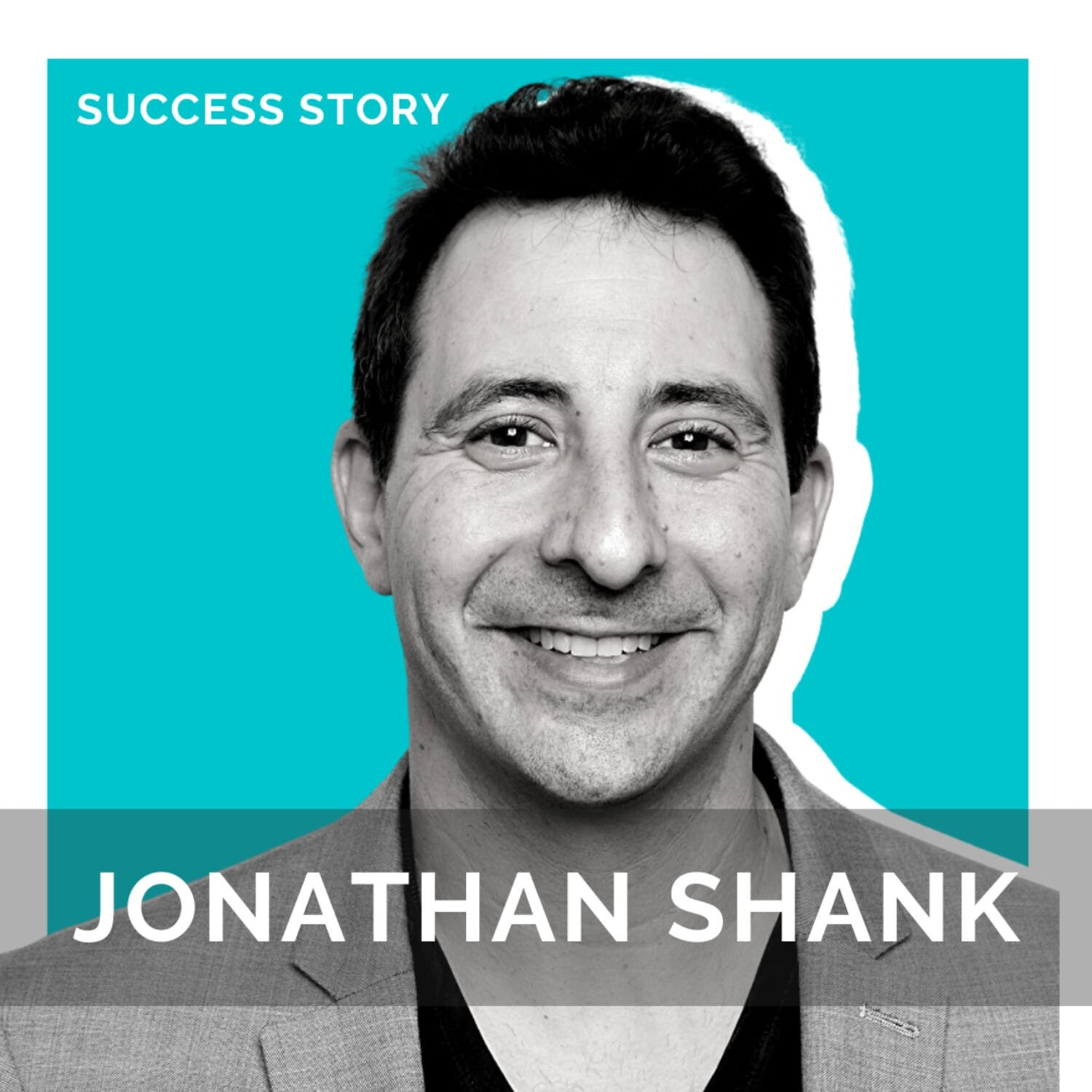
Jonathan Shank is the CEO of Terrapin Station Entertainment. He currently manages Maddie Poppe, Scarypoolparty, Victoria Justice, Magic!, Laura Marano, and Sam Tsui, as well as producing the Fresh Beat Band, Peppa Pig Live!, Disney Junior Dance Party, Disney Junior Holiday Party, and Octonauts tours. Shank's current management clients boast a cumulative social media following of more than 60 million fans and have more than 1.6 billion total views. Since 2012, the tours he's produced and managed have sold in excess of two million tickets and grossed more than $80 million dollars at the box office. In addition to music, his clients all enjoy successful careers in film, TV, social media, and fashion.
He also produced and directed a series of high profile sold out charity concerts including Homeward Bound, a Celebration for Ray Manzerek of The Doors, Otis Redding’s 75th Birthday, and a Linda Ronstadt Tribute. The series has raised over $500,000 for Stand Up To Cancer, The Michael J Fox Foundation for Parkison’s Research, and The Redding Foundation and featured performances by artists ranging from Don Henley to Andra Day as well as a reunion of The Doors Robby Krieger & John Densmore.
Show Links
https://shorefire.com/roster/jonathan-shank
Our Sponsors:
* Check out Factor: http://factor75.com
* Check out Factor: http://factor75.com
* Check out Justin Wine and use my code SUCCESS15 for a great deal: https://www.justinwine.com/
Advertising Inquiries: https://redcircle.com/brands
Privacy & Opt-Out: https://redcircle.com/privacy
Welcome to the success story podcast, I'm your host, Scott Clary. On this podcast, I have candid interviews with execs, celebrities, politicians, and other notable figures, all who have achieved success through both wins and losses, to learn more about their life, their ideas, and their insights. I sit down with leaders and mentors and unpack their story to help pass those lessons onto others through both experiences and tactical strategy for business professionals, entrepreneurs, and everyone in between, without further ado, another episode of the success story podcast. Thanks again for joining me, I am sitting down with Jonathan Shank, who is a senior manager and executive producer at Red Light Management, some of his clients include Magic, Victoria Justice, Nadie Popp, I was looking on his website, he has a whole bunch of family artists as well, I'm going to let him sort of go through everyone he's worked with over his career. Now, his current management clients boast a total social media following of more than 60 million fans and have more than 1.6 billion total views. Since 2012, the tours he's produced and managed has sold in excess of two million tickets and grossed more than 80 million dollars at the box office in addition to the music and the clients he works with, all of his clients enjoy successful careers in film, TV, social media, fashion, so he is working with a ton of very impressive people. Thank you so much for sitting down, you know, giving us the story of how you got to where you are today, and then sort of just unpacking, I guess, your career and what the whole industry of live and entertainment looks like going forward. So thank you. Thank you so much for having me, it's pleasure and thanks for that amazing interview. No, it's my pleasure, and actually I wanted to mention this one thing, so you are also on top of all these accolades, a recipient of the 2020 TJ Martell Trailblazer Award, and I want to understand also what that means and what that means for you and your industry and the things that you've done, but so congratulations on that, I think that's actually coming up very soon when you're actually going to receive that, but first, let's understand all the way back, how did you get into live music production? No, well, I think that it's been an amazing journey and still learning every day, but I grew up outside of Philadelphia, Pennsylvania in a small town called Hatboro, and there wasn't much of a music industry or music scene there, so I was always yearning to go to the spectrum downtown to see concerts and to other venues around town and was just really curious from a young age to be around live music and live experience. My parents still love going to concerts and took me to concerts at a young age, I remember they took me to see the Jackson Five on Labor Day in 1984, and that made such an impact that I wanted to just keep being part of the experience, so I wanted to go to college somewhere where there was a really rich music scene, and so I went to Tulane in New Orleans, and really just soaked up a lot of music culture and musicology and understanding for how live music, the live music ecosystem comes together and works. I took an internship when I was at Tulane with the House of Blues in New Orleans, and that was among the first interns at the House of Blues in New Orleans, and I didn't have very glamorous job, part of my job including stapling flyers to telephone poles and also going into men's and women's bathrooms to hang flyers. I also spent time in the office just looking at the marketing materials and the bios and the photos and the marketing plans and the ad plans and trying to understand how it all fit together, so that was a valuable experience. I had a few internships when I was in New Orleans, I also worked for record producer named Kim Fowley, who became a really great influence on me in terms of just really taking chances and putting yourself out there, and he'd worked with everybody from Frank's app at a John Lennon and was instrumental in the creation of the runaways. When he'd come to New Orleans, he was working at a small record label, so I kind of helped him with his daily kind of operating chores working at that label. How did you run into him, because that was like an influence, right? And man, he was such a character and I've got some amazing Kim Fowley stories. How did I run into him? I had been begging to get credit at Tulane for a music internship, because they didn't have a music business program, but they had, if you played in the jazz band, you could get credit, but if you wanted to be in the music business, you couldn't get any credit. So I had gone and I begged and they said, listen, if you find something in the music business will consider it. So there was this one law firm in downtown New Orleans that represented some musicians, and I called there, seeing if they needed some help. And they said, well, we don't need any help, but there's this guy who's rented some office space here who's running a small record label and you know, he needs some help. You should come down and meet him and that guy ended up being Kim Fowley. That's really it. And he just, it was, that was it. I went down to the office and he had just kind of moved to New Orleans and signed a bunch of bands and that was the seed, you know. And the next thing I know I was in his office five days a week just sitting there listening to him, rap on the phone and, you know, talk to people about royalties and, you know, deal making and all those things. That's a good thing. And some people just works out. Yeah, it was really cool, you know, and I mean, he became a real, you know, we had a real connection. He ended up coming to dinner with my family when I graduated too late. And I'll never forget he had on this classic canary yellow suit head to toe. And he was, he was like a big, you know, tall guy. And so, you know, I think he was like, maybe six, five or, you know, he's tall guy. So tall, that tall in a canary yellow suit, I'll never forget. But he was just a real, you know, super sincere and he was character, you know, he, he, whenever we would get off the phone after I stopped entering firm and we would keep up and he would call me every once in a while to check in. He was that kind of guy. At the end of the call, he would always say, okay, stay teenage, you know, and that was kind of his way of saying, like, just be, just stay, you know, and, and, and, you know, what I can say about him is that there truly only was one Kim Valley and he was truly himself, you know, and so he also wrote on the back of some business cards for me before I went to LA. He wrote on the back of him higher this guy, Kim Valley. So I, you know, it was like in the 90s, so there wasn't any real, you know, smart phones or anything. So you did kind of still rely on business cards. And I, I did have a bunch of those cards with me, you know, and I never used it. I don't think, but I do remember he sent me out to LA, he said, you know, when you go out there, if you meet with somebody in music industry, show him this, you know, that Kim Valley said, higher this guy, you know, he's that kind of old school, you know, true, you know, 60, 70s mentality. So after you worked with him for a bit, where does that bring you now? So you did your stint working. So I, you know, that, that, you know, was really the kind of precursor to, you know, moving to LA and actually trying to inject myself into the, you know, music industry. When I first got to LA, I was thinking that I wanted to work at record label. And so I was lining up for a bunch of those, you know, promotion and A&R type jobs. I ended up, after a bit of a struggle finding something, I ended up being an assistant at a small agency whose artists included Jefferson Starship, Robbie Krieger and John Dems, more of the doors, Marshall Tuckerband, Dave Mason and a lot of other, you know, six, you know, kind of acts that emerged from the late 60s and early 70s. And so I cut my teeth kind of learning about the touring models of those bands who really were like touring warriors, you know, I mean, these bands were tore 150 shows a year, like true, you know, almost like the model that the Grateful Dead would employ or something like that. I mean, it was really all in volume, right? I mean, that was their business was what it ultimately, if you just did one date, it wouldn't, you know, it wouldn't net out nearly as well as if you did, you know, several dozen dates, you know, and amortized all of the, you know, expenses over a period of time. So I started to kind of understand how things came together after a year of being an assistant, I got promoted to be an agent there. And there were some changes at the company. And I ended up becoming responsible for a handful of those, those artists. And in addition, I started working with some other, at the, you know, other grassroots artists that I was really excited about, like Sally Taylor and backbone and AJ Croci and a handful of other Oakley Krieger Betts band, but really I started booking like a lot of Jefferson Starship dates and Dave Mason and doing that kind of through the early 2000s. And in the early 2000s, I moved over into management and had started working with the band war. And I was also working with Isaac Hayes and the boy band, LFL and that was really kind of my first foray into management, day-to-day management and, you know, that side of the business having brought over the live side that I've been working on for the last ten, four years before that. And you know, they, most of them were legacy acts, of course, you know, LFL had a hit record. So that was, you know, there was a tremendous amount of promotional activity and stuff that was happening around them, but, you know, in addition, I started managing my own band for the first time, which was Particle, you know, back in 2001. And they were an electronic jam band and, you know, that experience, you know, within the next 18 months, within the first 18 months of managing them, you know, a couple years, they were on Bonarou, Lala Palouza, Coachella, and, you know, we're really at the forefront of the electronic jam convergence. And, you know, at that point, you know, I've taken, moved over and taken a job at direct management and worked with Steve Jensen over there for nail managers, Katie Perry. And Steve became, you know, another, you know, influence on a lot of what I was doing because he really knew how to combine the management side with the touring side. And at that time, of course, when I was there, you know, Katie was probably, you know, not even recording. But when I was there, the artists were B-52s and Katie Lang, Tracy Chapman, and I brought over Particle and we were also managing another great electronic band called the Disco Biscuits. And a lot of the seeds of the ideas that I started to carry forward into, you know, how I molded my idea of managing and producing and the live experience, you know, started from, you know, those early 2000, you know, 2001 through 2005, you know, in 2004 via Particle, you know, I was introduced to Mickey Hart from the Grateful Dead. And Mickey and I had an immediate connection. And you know, at first, I was just thrilled to be able to have the, you know, opportunity to collaborate with him on a project and ended up spending some time in this house and in the studio and anybody that knows Mickey knows that he's just incredibly, you know, welcoming. And if you're in his orbit, he is, you know, just an incredibly gracious and sincere individual and also, you know, brilliant, you know, and just an incredible conversationalist. So, you know, that was really exciting and I carried that relationship forward and had been continuing to work with Mickey on some one off stuff. And then I actually was staying in his guest house while we were working on some studio stuff. And one morning, I got a phone call to the guest house and they said, well, can you come into the main house and the kitchen for breakfast, which was not, not something I like normally did. Like if I, I would have breakfast in the studio or whatever, but like the main house, that's like where they live, family, everything. And I just thought, man, am I in trouble, you know, what, what did I do? And so I go in and it was, you know, completely, you know, just chill. And I remember Mickey and his wife saying, well, hey, you know, you're supposed to leave to go drive back to LA today, but I was just wondering if, you know, you would want to start managing me. And so that was, and so not only was I, you know, not, and I told him, Mr. I said, oh, you call me and I said, I thought I was in trouble, man, you know, and that really triggered a lot of amazing, you know, a handful of amazing years and projects, you know, and Mickey really, you know, taught me a tremendous amount, but also he really drove me to open my mind about things and was the first person to really have me producing events. And I didn't even realize I was doing it at the time, but it really was that bridge because he would call and say, okay, Jonathan, we got to do this event for the Rex Foundation. Hey, we got to do this thing for the, you know, monks, we have to do this thing for Walter Cronkite, help me put it together. And the next thing you know, I'm producing events with Walter Cronkite, you know, and you know, not even realizing kind of combining the managerial skills and really just trying to execute as flawlessly as possible. But you know, I didn't even realize at the time like, okay, you're not just managing this artist, you're also producing the event on behalf of everybody else that's stepping on the stage that night. And so I've actually gone back now and told Mickey and his wife this story of like, hey, you got, you know, we didn't, I didn't know it at the time, but like, this was groundbreaking for me that you opened my eyes to producing various events. And part of that also was like, Mickey wanted to always be creative and working on different projects. And we, we recreated the, the rhythm devils with Bill Croixman and Mike Gorman and Steve Kimock. And we did that in 2006 and then we recreated Planet Drum and Global Drum, which we won the Grammy for in 2009 for Best Contemporary World Music album. And Mickey Hartband, which had George Porter's Jr. from the meters, I mean, one of the great, you know, kind of, you know, serendipitous honors of my life as being able to introduce Mickey Hart from the grateful dead to George Porter from the meters. I mean, two of the greatest rhythm masters of, you know, you know, of the world and, and, you know, for those that don't know George Porter, Jr. was just named one of the best top 50 bass players by Rolling Stone magazine last week. And you know, just, you know, the, the, the fact that, that those meetings and those projects were able to come to life really gave me the confidence to be able to, to carry it forward and, and to see that, that possibilities were endless and just had to continue to be creative and keep my mind open and, and, you know, just work as hard as I can to, you know, to push things ahead. And that's when at, at Red Light Management, that's where you're at now, that was, oh, sorry, go ahead. I was going to ask, like, that was when you were, you're already producing these live shows, you would already have the experience in management and then you transitioned into to Red Light. Was that far from where you, where you were sort of, I guess, actually story, that's about a poor way to phrase the question. How long did you start producing shows before you transitioned into Red Light and then walk me through what you did there? No, that's a, that's a great question. So, you know, I worked with Mickey up until around 2010 and, at that point, actually, yeah, right around the point, I had worked for a few years for Irving A's off at, at, at, at, at AGP Management, at frontline management and I was working, I was working for a bit on the smash and pumpkins before they, they, you know, broke up at that time and, you know, kind of soaked a lot in there from the way that larger touring operations, maneuver and also scaling, you know, and of course, you know, any idea that, that came across the desk was always a big one. So, you know, that, that's, you know, always a great, I think, less than for everybody is that the ideas are, you know, can only be as big as the way that you imagine them, you know. So, I, I really learned a lot there and then, yeah, in 2010, after, after frontline, after that, was all purchased by a live nation. I moved over to Red Light Management and at the time, Red Light was still a, a boutique management company that mostly specialized in, you know, legacy and jam band and, and Americana and, you know, was, they were really looking to expand, you know, expand their roster and expand their horizons and, and, you know, so what I was, was really keen to do when I came to Red Light was to start looking for intellectual property and, you know, get, get further into the, you know, the family entertainment and the, the licensing business. And so, you know, and in addition to that continue to manage top talent, two things happened right at the beginning within, then about six months of working at Red Light, I started managing Victoria Justice and, and at the time, Victoria was just taking off and, you know, and Victoria was really just, you know, getting it from us about opportunities and, you know, and started recording music. So that happened in addition to that, I started producing a fresh beat band and, you know, one kind of dovetail from the other in terms of, you know, part of the relationship and the success of Victoria led to some of the trust, you know, from Nickelodeon to step in and produce the fresh beat band. I had worked on some, some family entertainment, you know, you know, previously, but this was the first time that I had partnered with a network directly. And, you know, working with Nickelodeon was incredible for many reasons, but mostly because you get to understand the way that so many people can work together and so many divisions have to lift something up and when, and, and when an army of people gets behind something whether it's at a record label or at a network, you know, and, and, and, and lift something up, then it's really hard to deny the power of that brand. And I think that's what happened with both Victoria's and with, with fresh beat band, you know, and, and so we went into, to 2000, 2012, 2013 with basically the number one preschool show and the number one, you know, team tween show. And so, you know, that was an incredible ride and, and, and, you know, Victoria did several successful tours and fresh beat band did several successful tours and, and from there, you know, we just started getting more aggressive, but, but almost on like a sharp shooter basis like we were, we knew that we didn't have the scaling yet to be able to take on a ton of productions, so we just really got strategic about, you know, identifying partners that, that would be viable and, and, and all the same time continuing to manage more, you know, more talent that was coming out of the, you know, I would say, you know, Disney Nickelodeon system, but also other, other pop and team talent, you know, that and helping other people to, you know, kind of connect the dots between their TV career and their music career and maybe their fashion, you know, what they have going on in the fashion side. And really, I would say, not just helping them to carve their path, but also connect the dots and make sure that there's synergy between each of those areas. When the timing and synergy is right, it makes each one of those, you know, kind of touchpoints more powerful. And I think that, you know, that's, that's kind of been the, been the approach and, and the strategy, you know, fresh beat, and ended up selling about 600, 700,000 tickets. And, and then we dovetailed straight into, to Peppa Pig on the production side, which, you know, has now become one of the most successful family shows, you know, the past decade and, you know, nominated for a whole star award and all kinds of great things. But, you know, each show is different. Peppa is really based on, on the simplicity of that brand. It's not, there's no laser light show or giant, you know, giant video. It's really based on this simplicity, whereas, you know, some of the other shows we do are much more technologically advanced or, or, you know, or driven by other, you know, by other elements. So, you know, I think you pick something up along the way from each one of these things and, and, you know, part of the, the success has been exactly that, treating each one like it's its own artist, you know, treating, treating them all equally, you know, and finding a, you know, finding a balance, you know, so that, you know, each one can be true to its brand and not just put into some cookie cutter mold, like just really try to super serve the brand and understand how, you know, you know, kind of how to elevate things based on the core properties of that, of that, of that IP. Yeah, yeah. No, that makes sense. It makes sense to me. And I think that's why you're seeing so much success because you know how to super serve and like laser focus that brand to target audience. You're not just trying to like vanilla, you know, just one science fits all type production, but I have questions because you're in line, I'm very curious about like the state of the industry and whatnot, and I want to go there, but before I do that, I want to close off your career. So now it's 2020, you've had incredible success managing all these household names. You manage them across different types of industries from what I guess would be considered, I don't know if it's more traditional, but I guess more adult type focus productions all the way through to child and teen and tween and whatnot. So what is that when you when you have success in this industry, what does that award mean? Where do you go from here for red light for your career? What is the next steps? And what does that award actually mean for you? Well, you know, I think two things. One, you know, first of all, just in honor to even be, you know, in the mix and considered for something like this, I think that, you know, one of the tent poles of what I've tried to to stand by is in addition to all of the entertainment and content that we provide to also do things that are, that give back to the community that are going through traffic as well. And, you know, I've worked on and produced a handful of benefits, one for stand up to cancer, you know, with when Ray Manzeric passed up the doors, and one for the Michael J. Fox Foundation, which was a tribute to Linda Ronstadt and some stuff for the Ernest Reading Foundation. And most recently, I created and produced a homeward down concert, which raised over $100,000 for the Los Angeles and Southern California homeless community. Just before the pandemic started, this, the concert was at the real turn on January 23rd. And so, you know, this award, what it means to me is, is just continuing to do the work that we need to do in the community to help, you know, not just race funding, but also raise awareness that, you know, especially in these times, that even though things are very uncertain, there are still a lot of people and a lot of communities in need. And so I think what it means to me is just trying to do the small bit that I can to take a little bit of a leadership role to spread the word and help people to get involved. And specifically, the TJ Martell Foundation raises money for cancer research. And specifically this year for people on the front lines that are helping. And so, and the Foundation has worked tirelessly for years to raise millions of dollars for cancer research. And so just thrilled to be a small part of that and try and bring some of the artists that I work with together and some of the, you know, folks that I've been lucky enough to cross paths with, you know, into the orbit of this event. And, and help make this successful as possible. And also, you know, it's also meant to be a fun event as well and interactive. So this year it'll be virtual and, you know, taking place sometime this October. And, you know, like I said, thank you for asking. And, you know, any small bit helps, you know. No, it's a, it's good, it's good work you're doing. Like just outside of the success. Because I know that there's a lot of people to have success, but it's nice to see when you purposely do something that is outside of, you know, not your own comfort zone, but outside of a personal benefit or business benefit, right? Like this is just helping helping out others. And I think that I like the way you phrase that. Even though we're in pandemic times, in very stressful times, all these marginalized groups, all these groups that needed help before still need help now. It's not like there's a situation that's gotten any better. And that's a whole other long conversation, but it still is, it's, you know, it's very relevant. And I think that's something that we have to remember, because I think we forget quite easily. We sort of focus on the flavor of the day, you know, for the current issue. And there's just so much news, you know, that it's hard to, you know, it's, you know, and it's hard to get people to keep perspective and focus, but this is the time, you know. So let's, let's speak about it. You know, you mentioned that this next event you're going to be holding is going to be virtual, obviously, because of COVID and the fact that we've all been sort of migrated home or, or we can't have the same types of, you know, events that we used to have. What's, what's the state of the industry for life for concerts? Yeah. Why joke with you before that I would get out the crystal ball. Yeah. When can I go to a concert again? You know, listen, there's, there's varying answers to this and it all depends on what you classify as a concert, right? I mean, you could go to a concert in Orange County at a drive-in probably next weekend that will be, you know, a great concert. It just won't be what you traditionally knew as a concert will be drive and show and, and, you know, there'll be 250 cars and the music will be coming through an app, you know, that you can Bluetooth to your radio. You know, it's just a matter of perspective of perception of how and perspective of how you viewed the live experience previously as opposed to what it may look like in the future. When are you going to be able to see the Cold Player, the Rolling Stones in a full stadium? I don't think anybody knows the answer to that question and it's impossible to, you know, even articulate what we need to go into planning something like that right now. I think that one thing that needs to happen is that we need to focus on the small venues, the clubs and theaters, which are benchmarks of our cities and of our communities and of our culture, you know, and a lot of those venues are struggling to survive. Their margins are a lot smaller. So I think one thing that can happen or one, you know, that everybody can help with on a small level is as concerts start happening back up on a smaller level supporting those local acts because that's what's going to keep these places being able to stay open and operate for when your favorite artist is able to come through again in X amount of months. I don't think that, you know, there's going to be any doubt that when things come back, there will be an appetite for it. It's just, you know, what will look different, what will the scaling, you know, how different will the scaling be? And just like after 9-11, there's certain protocols that we all had to get used to, you know, when we went to the airport. And I think this is similar, there's going to have to be new protocols that we all have to adhere to and get used to going forward with mass gatherings, whether that's live events or sporting events, etc. And I do have incredible confidence and hope that it will all, you know, be healthy again in the future. I think we just have a path to get there. And do you find that talent is stressing about the future of their own career? Or is there a playbook that you've been working on with some of the talent to mitigate any sort of damage and revenue that they would receive from life? Yeah, I think, you know, what's interesting is that a lot of the artists and their businesses were able to receive assistance, you know, in the first round of assistance. I think that the difference between the music business and what I would call the mass gathering business, whether that's a hundred people, a thousand people, a hundred thousand people, is it continues to be shuttered. A lot of other businesses have been allowed to reopen at this point in some capacity. Right now, there's no plan for the music business or the entertainment business to reopen. So it's kind of remaining shuttered longer than most of the other businesses. So I think managing that is going to be interesting over the next 12 months because I think a lot of people managed to mitigate their losses and their, you know, their concerns over the last X amount of months will, you know, the music business and entertainment business has, you know, has a long, long ride ahead. So, you know, I think that short answer to your question is, there are other revenues, but for most artists, they're not nearly as robust as, you know, what touring revenue is, right? I mean, sure, there's some live stream, you know, stuff that have the platforms that have emerged that have provided some, you know, payment for artists and there's some branding out there and publishing. And I think, you know, for artists that are maybe, you know, super successful on social media or on TikTok, there's brand activations and things of that nature. But even so, for a musician or for the majority, no matter where you are in the ecosystem, it's marginal compared to what a normal 2020 would have been, you know, and also, if you remember that the music business and entertainment business was having record year of a record year of a record year in terms of ticket sales and box office. I mean, it was just, you know, I don't want to quote how many years of wins in a row it was, but I mean, certainly entertainment was continuously building year of year. It wasn't selling down. No, no, so this has been, you know, at first we were calling it a pause and then a reset and now I think it's going to be a restart. Well said, I think, yeah, well, I think it's most industry trying to figure out, but like you mentioned, like entertainment in particular is definitely on a hiatus that's a little bit longer than others. And like with that big question mark, right? Like that no one knows when it's going to end. That's difficult. That's very, that's tough, right? Yeah. Well, I also think somebody's going to need to take a leadership position. I mean, I wish, you know, that somebody would, you know, figure out a way in a crowdless capacity to almost do like a live AIDS style concert that could help, you know, help the industry over this next period of time and, you know, gather the world's most influential artists to come together. And if you were able to do that, there would certainly be an appetite for it, you know, via, you know, the DSPs and the streaming services and various content providers. So, you know, but beyond that, I think it would, you know, if you had that kind of distribution and that kind of talent, you could really make an impact in terms of how the music industry can restart over this next period of time. And also, I think in still some confidence in people, the big concerts can still happen. Yeah. Yeah. And I'm just curious because you're so involved in the music industry. And this can also, you can answer this question almost pre pandemic, if you'd like, but what is the biggest opportunity in music that you see happening right now for artists or for investors or for stakeholders to get involved in? That's a great question. I mean, I think that the, listen, in the pandemic, a lot of, you know, there's certainly publishing and catalogs are really important part of the equation. But I think that in the big picture, I think that what's most important is gathering IP and really understanding the timing on the live landscape because I think that in terms of, you know, if you're looking at like investors, et cetera, it's just understanding when things actually can happen because I think there will be wins out there. And beyond that, I mean, there's certainly plenty of other revenue streams for artists. It's just, you know, they're diminished right now and, you know, because of the pandemic. But, you know, I would just say that, you know, the bright spots are that there's tons of great content out there. And there's, you know, tons of, you know, I think new music and new art that's going to come out of this period of time, you know, of, you know, people being reflective and quarantined and, you know, and understanding the need for, you know, systemic and social change. Yeah, yeah. That's a very good point. Is there anything I want to ask like a couple like rapid fire personal, like insight questions from your career before I get into those? Is there anything that I should have asked about about music, about production, about the industry, the state of the industry that I didn't ask you? Major points. I think there's anything specific, you know, I think that, um, thinking out of the park. Well, no, I appreciate it. I appreciate it. No, I just sometimes, like, I don't know what I don't know. So if there's things that are like super, super hyper relevant to your industry, um, that's what I just wanted to open it up just in case. I think the biggest thing right now is that more than ever, there needs to be open conversation and there needs to be, um, you know, collaboration amongst all parties. And that means, you know, managers and agents and promoters and, you know, record labels and everybody to help because it, um, you know, our industry has never seen anything like this. And of course, there's still the, the need for, for culture and art and live music and comedy and all of these things and family entertainment. It's just, um, I think we're going to need everybody to come together to figure out how to, to, to lift it back up. Yeah, no, very well said. Um, okay, a couple, a couple questions just about, about your career and what you've experienced. What is, where do you go to continue to learn things in order to stay on top of your role, your industry? What's your go-to resource? Um, well, my, my sons still teach, teaches me my 13th and 13th year old sons, 50th things all the time. That's a good hand. I like that. Um, for instance, I, I started managing a guy named Alejandro Ronda, his, his artist named Scary Pool Party. And this guy is an absolute genius. I mean, one of the most versatile and, and, you know, just unbelievable, you know, raw, pure talents. I've ever, you know, I've ever seen and also one of the most sincere and soulful human beings I've ever, I've ever met and, and just caring. And, you know, so one day, you know, we were watching, um, my son was watching American Idol and I had the opportunity to be able to manage, you know, folks that were on the show. And my son turned to me and he, as Alejandro was playing his song, and the first time he'd ever seen him. And, uh, he turned to me and he said, Dad, are you going to manage this guy? And I said, I hope so. Or, you know, I'd be amazing. And, and, um, and he said, well, I just think he's going to be a massive artist, you know, and of course, sure enough, he, he, you know, in addition to, to just, uh, um, continuing to, you know, output great, great songs, you know, he has gone on to sell out tours and, you know, on all of Halusa and, and, uh, tons of huge festivals, Austin City Limits, and is really building a, a nice foundation for his career and, and just, uh, unbelievably pure talent. So that's, that's my, my go to, and then, you know, my, my, uh, my family, of course. And, you know, I, I do, um, also have an incredible team that I work with at, you know, um, you know, at Red Light, and, uh, they're incredibly supportive and smart, and, um, and on top of it. So, you know, I'm just super grateful to, to them. No, very good. Um, what would be advice that you would give somebody who wants to go into a career and learn to yours? Um, I think the biggest thing is that, yeah, you have to, in addition to the obvious things, like really wanting to do it, you have to just stay fluid because you just don't know where, you know, once you get on the, once you get on the raft, you don't know where the river is gonna, gonna flow, you know, so part of it is that you want to get on the river, you know, and so I never envisioned that I was gonna be a producer, maybe even a manager. I thought at first when I was in college, I was gonna be an entertainment attorney, you know, so I think part of it is just be flexible, be open-minded, and try to find balance because the balance is what opens your mind to the other ideas. If you don't have balance, you're too close in front of your face. So, you know, the balance in life is what gives you the, you know, the flexibility and the open-mindedness to, you know, have the ability to have the ability, yeah, exactly. Yeah, exactly. Um, and doubling down on that question, so that was advice for others, but what would, what would be a piece of advice that you would tell your younger self? Oh, man, I think the biggest one is you don't need to react so quickly. Enjoy the moment, you know, savor the moment. Um, just enjoy the relationships, you know, because that's what's going to last, you know, that's what's going to be the lasting, you know, kind of part, you know, legacy of all of this. And, um, you know, uh, I think the other part is just, um, keep everything I would tell myself, just keep my head up when everything is we're not seeming that they're going, going your way to just just keep your head up and, and, uh, you know, don't get too high on the highs and don't get too low on the lows. That actually tees up. Okay, so the question, another question I'd like to ask, um, the best day of your life and the worst day of your life, and why? Well, the best day of my life was, was, was probably the day I got married in the world. That's a good answer. That's a good answer. Absolutely unbelievable magical day and, and, you know, was the, the beginning of, um, you know, being married to my amazing wife, and, uh, we had met at Tulane, and, and, uh, we got married in New Orleans, and we had the dirty dozen brass band, and, uh, the New Orleans clothes were all stars, and some Marty brought Indians, and, so, and, and of course, all of our friends and family, you know, and, and so that was just, uh, probably, you know, the best day of my, my life. Do you have, do you have a worst day that, that, that you, you learned from that was notable that, that people can learn from? You know, I don't know if I have a worst day, but I definitely, um, had a couple days where, yeah, um, I, I would say it wasn't necessarily like one day. It's just kind of like, you know, part of being in the representation businesses that, um, you get to, hopefully, sign artists and, you know, and work with people, but those relationships don't all last forever. And I think that, um, you know, probably some of the toughest days I had were, you know, when certain relationships, you know, that I thought might have really blossomed, didn't, you know, didn't, uh, come to fruition, or didn't, you know, I think there's been, I wouldn't call them worst, worst days in any, anyway, I think, you know, I guess, I guess actually thinking about the question, I feel kind of blessed that I don't feel that I have, you know, those kinds of days, but I think that, um, you know, look at part of it is just, um, there are updates and there are down days and, you know, and I think that part of, part of this is just, uh, understanding that, that, you know, there are going to be those times where it doesn't always all work out, you know, there have been other shows that I wanted to produce that I didn't get to produce, or other artists having to manage, but you know what, the ones that I did get to manage, or I'm managing, I'm super grateful for it, I'm super passionate about, and projects that get to produce some, you know, super humbled by and, and, and, you know, grateful to work with those brands, and, you know, I think that, um, you know, when I think about the question of like the worst day, I think it's, it's really, um, ultimately just, um, you know, when those things happen, you just have to kind of take, take reflection and, and, and, you know, think about how you can do better the next time, or, you know, or, or, or shape the experience slightly differently. Very good. I like that answer a lot. Um, uh, who are, uh, just a few more rapid-fire than, then I want to get, uh, I want to get some information about where we can connect with you, but first, um, what are, or who are, excuse me, uh, three people in your life that have been the most influential on, on what you've achieved. Wow. Um, okay. Um, I would say, uh, for, you know, first answer is kind of, you know, ties together, but it's, you know, I would say, Mickey Hart and, and Jerry Garcia, uh, I would say my wife, and I would say my parents. Good. Very good. I like that. So you have wife, you have family, but you have professional. That's very good. Um, and then lastly, uh, what does success mean to you? That's an amazing question too. I mean, you know, what, what success means to me is being a good role model for others around me, helping others, uh, to find their path and, you know, helping others along their path, uh, being open-minded to all different kinds of ideas and, you know, and also wherever those ideas may come from. You never know where a good idea may come from. And, um, I would just say, you know, success to me is looking upon, uh, um, you know, others around me, both in my family and in my, you know, kind of professional orbit and, and hoping to leave a positive, uh, um, impression, you know, and be a good role model for all of those folks and, and helping ultimately to hopefully lift, lift them up, you know, and, and, and, uh, in life. Very, very good answer. Um, and then the most important question, where can, uh, the listeners connect with you online? Yeah, so the best way to connect with me is drop me an email. I'm at Jonathan at redlightmanagement.com. I'll spell it out redlightmanagement.com. J-o-n-a-k-h-a-n. That's all for today. Thanks again for joining me on another episode of the Success Story podcast. You can download or stream this podcast wherever podcasts are available, including iTunes, Spotify, Google, Stitcher, iHeartRadio, and many others. You can also watch this podcast on YouTube. If you haven't already, please subscribe and share this podcast with your friends, family, co-workers, and peers. Please leave us a rating on iTunes. It takes about 30 seconds, as it allows other people to find our podcast and let's our amazing guests reach even more people with their message. And remember, any rating is fine as long as it contains five stars. I'm Scott Clary from the Success Story podcast, signing off.