


 YouTube
 Apple Podcasts
 Spotify
 Overcast
 Castro
 PocketCasts
 Amazon Music
 Deezer
 TuneIn
 Podcast Addict
 RadioPublic
 iHeartRadio
 RSS Feed
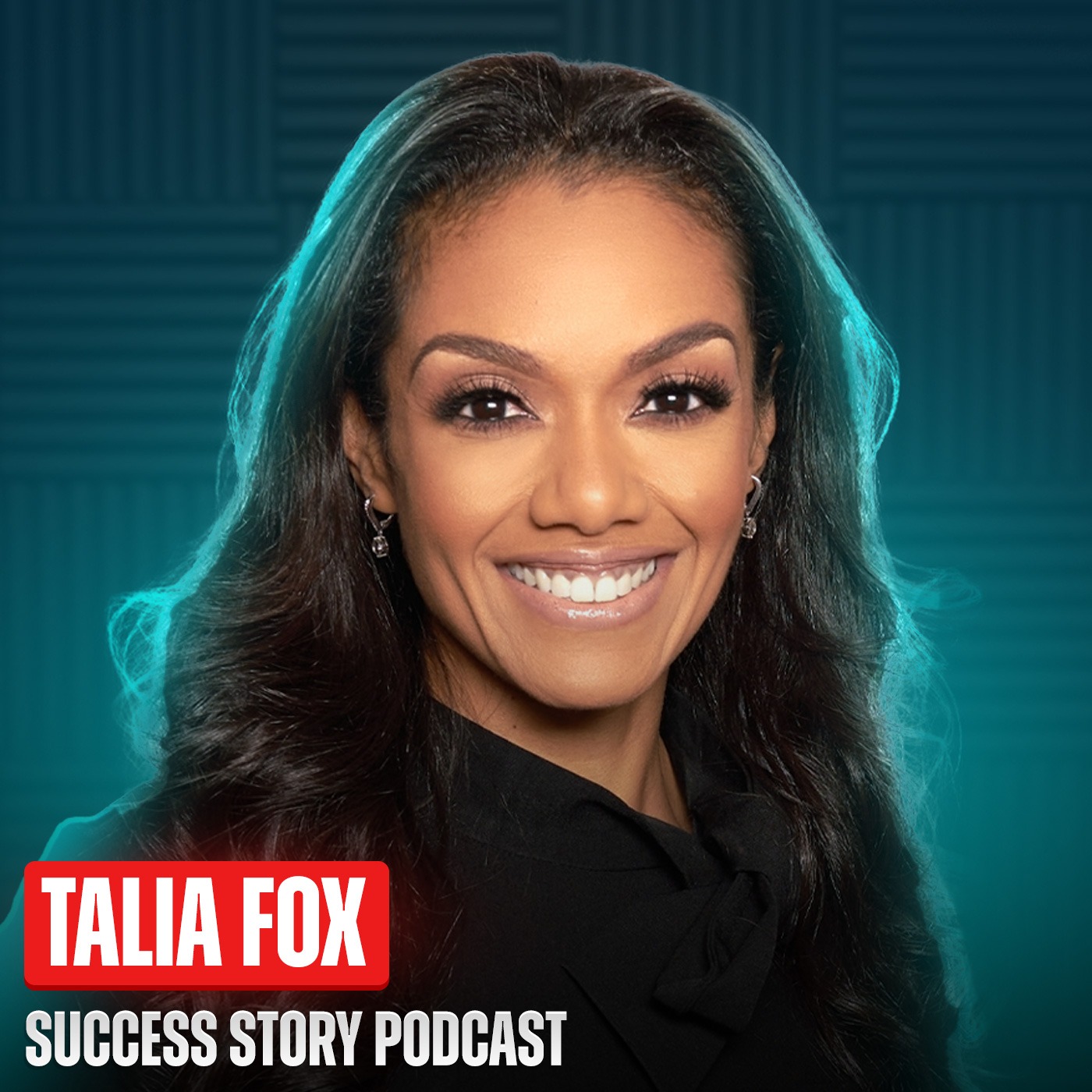
 Talia Fox - CEO of KUSI Global | The Power of Conscious Connection
➡️ Like The Podcast? Leave A Rating: https://ratethispodcast.com/successstory
➡️ Join 321,000 people who read my free weekly newsletter: https://newsletter.scottdclary.com
➡️ About The Guest
Talia Fox is the CEO of KUSI Global, Inc., a global transformational leadership development firm that helps organizations maximize human potential and foster connected cultures. She is also a Harvard University Fellow, a leadership coach and strategist, and a legacy builder who has transformed thousands of executives in every sector, including health, education, technology, and government. With an M.Ed. in psychology and over two decades of experience, Talia has assisted leaders in developing innovative strategies for some of the most critical and complex missions globally, such as defense, wealth inequalities, racial and social justice, aviation, and healthcare.
She is an expert in strategic intelligence, emotional intelligence, positive intelligence, agility and flexibility, cultural competence, and detail orientation and innovation. Talia is passionate about serving others and ensuring that customers, partners, and legacy builders feel uplifted, engaged, and recognized for their unique talents and greatness. She is a sought-after speaker and trainer who has shared her expertise in leadership and business strategies globally. Talia is the author of the bestselling book, The Power of Conscious Connection: 4 Habits to Transform How You Live and Lead in a Disconnected World.
➡️ Show Links
https://www.amazon.com/Power-Conscious-Connection-Habits-Transform
https://www.instagram.com/taliafoxspeaks/
https://twitter.com/TaliaFoxSpeaks/
➡️ Podcast Sponsors
Foundation Source: https://info.foundationsource.com/xm-tax-benefits-p
Collective - https://collective.com/success
Hubspot - https://hubspot.com/
Kajabi - https://kajabi.com/success (Code: success)
ButcherBox - https://butcherbox.com/success (Code: success)
Justin Wine - https://justinwine.com/ (Code: success)
Green Light - https://greenlight.com/success
Indeed - https://indeed.com/clary
The Product Boss Podcast - https://www.theproductboss.com/podcast
NetSuite — https://netsuite.com/scottclary/
Factor — https://factormeals.com/successpod50 (Code: successpod50)
HelloFresh — https://hellofresh.com/50successpod (Code: 50succespod)
ZBiotics — https://zbiotics.com/success (Code: success)
➡️ Talking Points
00:00 - Introduction
01:07 - Talia Fox’s Origin Story
03:07 - Motherhood's Influence on Talia's Drive
05:11 - Talia's First Venture Business
06:47 - The Entrepreneur's Dilemma
11:06 - Evolution of an Entrepreneur
15:22 - Entrepreneurial Wisdom for the Youth
19:49 - D.E.I Implementation: Doing It Right
29:03 - Talia's Path to Conscious Connection
40:12 - Sponsor: The Product Boss Podcast
41:01 - Talia's Mindful Practices
52:30 - Managing Stress
58:23 - Journey to Conscious Connection
1:01:20 - Replicating Success Authentically
1:06:00 - Authenticity Over Facades
1:08:07 - Sponsor: Foundation Source
1:09:47 - Breaking Isolation & Connection Insights
1:15:46 - Key Lessons from Talia’s Book
1:25:45 - Advice to Younger Self
1:26:46 - Defining Success
Advertising Inquiries: https://redcircle.com/brands
Privacy & Opt-Out: https://redcircle.com/privacy
Welcome to Success Story. I'm your host, Scott Clary. The Success Story podcast is part of the HubSpot podcast network. HubSpot has been a huge supporter of the show. They have so many tools that can help your business. The one that I want to just mention today, so you go check it out, is there a new AI chatbot? It's called campaign assistant. HubSpot's campaign assistant is a game changer for creating marketing campaigns at scale. It turns your key selling points into a cohesive pitch, which helps you deliver knockout emails, ads and landing pages in minutes. Just choose your content type and put a few keywords, key points, pick a tone like friendly or witty and let the AI robots handle the rest. You can copy and paste the content to whatever channel you'd like or even convert it directly into publishable campaigns without leaving your HubSpot interface. So let campaign assistant take care of the campaigns so you can get back to growing your business, work smarter, not harder, at HubSpot.com slash campaign-assistant. So my inflection point and I love the word because I think everyone has this tipping point and for me, my tipping point was when I gave up and when I completely surrendered. I always thought that I could do more, I wanted to be a straight-A student, I wanted to push and push and push and I ended up getting pregnant in college and I was such a high achiever. I lived at the time, I was trying to get my master's degree, I had my baby, I was trying to go to school, I'll just never forget this experience where I was walking up the steps in my apartment with a jug of water in my hand holding the baby in the other hand. And I just literally laid down in the stairwell with a brand new baby and I just said, I am doing everything I can but I'm just done. And so when I sat there, I cried and I looked at the baby and he in the middle of this darkness looked at me and said, peek-a-boo. The baby's looking to be like, you can't give up. And it was the weirdest thing, something came over me where I just picked up the jugs, I picked up the water, I went upstairs and I decided to have a beautiful night. I danced, I held my baby and I had this sense that everything was going to be okay. What's interesting about that is the next day I had this idea of some things I could do to impact the world. Maybe I could talk to people, I started thinking about my talents, I started just really tapping into what it is that I want to be in the world. Forget about the money for a minute, forget about the stress which I had a lot of it. But how can I tap into that greater purpose? And at that point that actually led to in 30 days I had my first big contract that came along with a high rise apartment. And so it was the beginning of launching a new identity and a new brand and my life has literally never been the same from that moment. And then that feeling instead of happening all at once happens over years and then there's never a spark and there's never fire and then people find themselves 20, 30 years later in a job that they hate. Yes. So what do you think? Was it the, I have to care for this life like is that? Yes, so it's it yes. And let me turn this into a little bit of a business strategy. So many of us are extremely self centered, which can be okay, we're thinking about ourselves, we're thinking about what we need, we're thinking about, you know, what it is that we need to offer. For me in that moment, it was the peekaboo moment. The peekaboo was, wow, this is not necessarily about me tapping into the greatness inside of me, but it's seeing the greatness outside of me. It's seeing who's depending on me. It's seeing what I can give to the world. And so I think sometimes our self centeredness and our ego, it creates this wonderful cocktail, right of anxiety and of stress. And we internalize all of these weird things like we want approval from people, we want, you know, to accomplish something because our parents want us to or we have a spouse. And so it's more like, no, how can I be of service? How can I help? And so to me, that's almost a cure. If you're in a situation where you're feeling anxious and stress, how can I be of service? It's really interesting because for many of us know an addiction therapy, right, the 12 steps, the final step is that you have to give it away. And so people that don't get to that step, they don't give away all that they have, that's where they fail. And so I get up every day and it's all about giving it away, giving it all away. Yeah. What was the first, so this, this first job that contract job, I don't know how to phrase it, but what was, was that your first version of entrepreneurship? Yes, it was my first version. I actually ran into a mentor at a party and they, it was interesting. We had this conversation. They thought that I was really smart and they planted a seed in my mind. Okay, I have some ideas of something you could do. I have, I actually have a need for this and it happened to be an attorney as well. And so he actually set up the first version of my company that is, it's gone through iterations, our new branded version happened in 2015, Kusai Global, KUSI. But it was, it was the first idea of, wow, there is a different path and there's other things that are possible. I think sometimes, this is my most fascinating thing, Scott about life is we, we, we come on this earth, we're raised, we have experiences, and then we decide to do something. Right, so for example, you might decide to become a woodworker or maybe you're a VP of an organization, and we kind of think that what we've been doing, we have to continue to do, and we limit our options. And so I have made it a process in my life to expand my options. And so at the time, I saw myself as a single mom that was going through school, you know, I was going to be a therapist, which I did for a little bit. But there's the options are endless, right? The possibilities are endless, but I had to surrender first and kind of give up just a little bit in order to make a way for those possibilities. Because you like accept this reinvention of yourself into life and to your soul, but I think where people get hung up on this, and listen, this is from a layman's point of view, I'm just talking, I'm just talking from like talking to people, you probably have studied this extensively. So I'm very curious, but when people try and when people think about reinventing themselves, they feel like they have to like leave everything they were in the in the past, which I think is incorrect. I think that that compounds and adds on to the new version of yourself. And this is, it sounds like a little bit like maybe esoteric very tactically, like when you're trying to switch jobs mid career, and you aren't happy with what you're doing. So even listening to podcasts that you were on before, you spoke a lot about the anxiety of pivoting and the anxiety of like changing and evolving, right? Business leaders, people, entrepreneurs, people that are just just in jobs and air quotes right because obviously that's difficult as well, but people don't want to change because it's very scary because they feel like they have to like reinvent who they are. But you you've sort of taken all the things is sort of like a thread that I'm starting to notice you're taking the things that you've accomplished. And you you reinvent yourself in the way that you start to actually do something different or you focus on something new, but you're not like pushing that away. It's like compounding into who you are. Yes, so there's a difference between contemplation and action. So one thing that I ask people that I work with organizations allow yourself the joy of contemplation. So think about different things that you may want to do. See how it feels. Try it on, you know, get a piece of paper out and start jotting it down. It does not mean that tomorrow you're pressured. No one is, you know, forcing you to quit your job and start something people put unnecessary stress. It's can I take some time to contemplate? I like to call this this concept we're talking about about pivoting and about expansion. It's like the fifth movement in a symphony, right? So it's that moment where you've had these experiences or you can call it the slum dog millionaire moment, but that movie can be dark. But I like I like to use the symphony, right? All of your talents, all of your skills, all of your experiences play beautifully together. And if you can imagine this image of just sitting back and just watching it play and you've got these different instruments. So for me, an instrument was my struggles have been my greatest gift, right? Because of the compassion, because of the self compassion and compassion for others. Also the gift of being a trained therapist, you can imagine in the work that I do as executive leadership strategist that has been so important. I have a father that was illiterate for most of his life, and I had to support him at eight years old in reading contracts. Tell that story quickly, because that's a wild story as well. When I was eight years old, my father was about eight, I was young. He actually opened up the Mirage hotel in Casino, and he could not really read the contracts. And so I was responsible for helping him. I thought he was mentoring me or trying to teach me, but I would help him navigate pretty high level contracts. And he would kind of be like, whatever my daughter says is what we're going to do, right? He can't read the contract. He couldn't read the contract. I didn't find that out until I was in my 30s, literally. I didn't know until later on in life, but you can imagine the level of sophistication hanging out with my father. I became a little fearless. You know, I'm like eight year old little girl talking to, you know, I don't know, 56 year old business men. And they're looking at him like, this guy has no fear at all either because they're saying he's just trusting his daughter to make decision. And on his side, it made him extremely interesting. It made me extremely interesting. People were entertained. You know, business can get a little boring. I don't know why everyone's so serious. Like chill out. Have a good time for real. You know, I mean, I know a lot of money's at stake. I know things are hard. But it's human's dealing with humans and you know, at the end of the day, you can do everything can feel like a beach, the real beach. We're going to plan words. But yeah, so like just being able to have that experience, I grew so much from it, but it also made him kind of iconic and interesting about the way he trusted his daughter and the way that he experienced it. And that was probably hard for him too. That's another, that's a whole other lesson in and of itself being able to humble yourself to the point where you can allow that into your life. Right. So, so let's sort of walk through. Let's walk through your entrepreneurial journey because you said 2015 was the current version or iteration of what you built. But that's how many are 15 years of just trying and testing and pivoting and that's not that's a long time. Right. So what was that version like, because again, this is sort of like showing the evolution of who you are, what you're building, what you're working on. Yeah. So I think your audience definitely knows about owning a job versus owning a business. Yeah. Right. So the first several years, and I held other jobs as well, but I was officially starting as an entrepreneur, but I would have gigs. Right. I would do a lot of speaking gigs. I would take on positions. I would begin to build stuff and I was able to sell that stuff, meaning content and speaking experiences. I did a bunch of key notes. And so I was kind of learning and expanding and finding my way and successfully so at some point during that journey, I was able to let go of anything that was a good job. Right. And then I was officially kind of a one woman show doing a lot of different things. In 2015, I went through another kind of financial lesson. I had to figure out a business model. So one thing I learned, which all business people that are entrepreneurs probably know this, it's not the money that you make, but it's the cash flow. Yes, it is. Yeah. So I was getting huge contracts, but I would get that one contract. But at the end of the year, it wasn't that much money because it's all I made for the entire year. And then, you know, we would have invoices that weren't getting paid. So. Taxes. Oh, we're going to. Oh, the tax thing. Let's not even get. So there's like this journey has all these different things. Oh, boy, lessons learned lessons learned. And I tried to consult people and do, but some of these lessons, you just learn it right. Waste a lot of money invested in things that didn't really go like I thought they would. But the I considered it to be 15 years of MBA business school. Yeah, definitely. Like I invested more and more than you'll ever get out of an actual MBA. Exactly. Exactly. So in 2015, I had to change the business model. And it was less about the one offs and more about long term relationships, long term conscious connections, right. And the power of those connections with the relationships with my clients. So I branded an actual system that we call a human optimization system. And that's what Kusai is the name of our company. It stands for knowledge, understanding strategy and implementation. So we use that system with clients. And then we just literally changed the business model and that turned everything around. What is that? So, so that system. What does it achieve in a company? Yes. So if you can imagine it's a system that our employees follow. So first thing you need to do is know, know your client, understand them, create a strategy implement for companies. It's a very quick way for doing a strategy meeting. If we're figuring out what the best solution is a problem, you go in, what do you know? What do you understand? That's a big distinction. You've got to understand, not just know. A lot of people stop it what they know. And we ask the other question, what don't you know? What don't you understand? And then what's the strategy to either move forward or to get more knowledge and more understanding. So you can have a strategy that you feel like you can implement with more confidence. So you can imagine that's super simple for things. But you know, I've been in big organizations and we just pull it out KUSI and it is magic. It's absolutely magic. It's like not to make it seem less than it is, but it's like a corporate version of active listening. Yes. That is probably the best way to equate it to what you should probably be doing in your personal life anyways. And most people don't. But in corporations, I mean, there's like egos, there's power dynamics. There's all these things. They really screw with one person understanding what another person is actually trying to say. And then you add on all the jargon and you add on like there's unlimited things that mess with communication and corporations. So this is something that you've sort of built out over your career. You understand it works well, probably because of your your background and your education, right. So you actually understand. And this is actually probably what dovetails into book your road about communication. And like let's just for we'll talk about tons of stuff in the book. But give some lessons to people that are in corporations just on how to implement this very briefly because I know this is not going to be a podcast. It's about that particular framework, but I do want to give like some very tactical things. So you go ahead. Yes. So this goes way beyond just active listening, active listening is kind of your listening and you're taking that as a total faster. But what it really is is coming up with the key questions, right, that you just asking the question activates innovation and creativity. So critical thinking is asking what is creative thinking is just asking what are the possibilities, right. And so when you when you deepen your questions, if I were an organization, I would spend time really figuring out what questions we absolutely need to know the answer to. And from there, that's when you begin to get your knowledge and listen and actively figure out who who was speaking, right. So that that's important. In terms of implementation. And again, I'm going to simplify this. The thing that we have to balance in organizations is our confidence. So we are living in a world where the predictability of the future is ill. Right. There are so many things that we are trying to do. So we have to invest in better prototyping. So as opposed to sitting in a room. What does that mean? Yeah. So I'll I'll I'll unpack that. No, it's great. So instead of sitting in a room and talking for so long and getting nervous about will this work will this not work. What is the in entrepreneurship the minimally viable implementation strategy, right. And and then people need to get granular. So for example, sometimes implementation isn't this big thing. It's telling. You know, I don't know Jeffrey who's the admin to send an email to set up the next meeting so we can collect certain data. But it's like that's your implementation. Make those small quick steps immediately and figure out a low risk way to prototype test your assumptions. And that's the only way to really kind of continue to incrementally move forward as opposed to trying to get it so perfect and trying to get it to right. So where do where do companies fail most often in this process. I think companies fail most often as they minimize the impact of the little things that seem unmeasurable. For example, there are people in rooms that aren't heard. There are innovations that are happening and ideas that are happening that aren't collected. The culture of the organization, whether or not, you know, people are getting along and and and feeling like their brains are working high. That makes a difference. So a lot of business people that I talk to they are very focused on strategy and numbers and what do we need to do and they have their pens out and it's fine. But typically a lot of organizations fail with the little things. They lose their executive team member just to somewhere else. They miss a really viable aspect of their customer base that they just miss because they weren't in tune. They're so busy in the boardroom. They're not out in the world figuring out what customers and what people need. They're not connecting. Right. So under estimating those little things is where I think is the failure. It's interesting because all those things you mentioned are things that an entrepreneur and a startup has to do to become successful. So they have to pay attention to those little things just to some degree, but then as a company scales, it becomes a huge machine. This behemoth that doesn't account for all this and then layoffs and the people were laid off. If their duties were never replaced and it's just this big thing that doesn't get fixed properly and it just grows and grows and grows. Fine, but imagine the growth. If you adopt a framework that really pays attention to the things that matter. Yes. Yes. And I'm just add one more thing to that. So let's take a situation where you have massive layoffs to let people go. You have to cut budgets. Sometimes we try to fix that problem. That problem may be difficult to fix immediately, but you can fix the way that you manage the people that are still there, how you treat the people that are leaving. There are some things that you can do to create a culture and an environment that will sort of I won't say a temporary fix, but they matter more than I think a lot of people want them to matter. The way that you respond and react to these challenges, particularly with people and connections is game changer. So there's some other interesting things you just alluded to because you spoke about the culture of an organization. You spoke about some people not having a proper seat at the table. I think that when you build a strong organization, everybody's opinion has to matter. And you have to build I think even purposeful feedback loops within your own organization to get sort of a sense of what's happening. And the best organizations do that very well and the businesses that do get disrupted don't listen to the people in the own in their own in their own company. But again, listening to a podcast and you brought an additional angle to it. So the angle that I've always sort of thought of is the psychologically safe place for people to voice their opinions and whatnot. But then you added on another component, which is like the DE and I, where, and I want you to sort of unpack how DE and I plays into this lack of communication, lack of ability to raise a hand and share an idea. Because I don't think a lot of people think of DE and I diversity equity and inclusion as anything more than we have to hire the right people. I think that's where people's minds immediately go. We have to hire so many people that are this and that are that and that are this and that are that and that we have this good mix and it's not just all old white guys on the C suite and like that's our DE and I strategy. That's not what you were speaking about in one of these podcasts because you were saying basically how do you convince people that DE and I matters after the people are hired right within the organization. I think that's a very interesting point because now we're not just talking about we're not just talking about, you know, putting certain people in certain roles to fill a quota. It's not really what this is supposed to be about. There's a cultural play that actually makes a company stronger, which I think is massively under discussed. And I don't really know why because if I was trying to help people understand the importance of having a diverse workforce, I would tie it back to the performance of the company immediately. That's that just makes common sense to me, but I think that conversation is lost a lot and then it just turns into an HR job or an HR task, which is also well, that's how you start, but that's not how you finish. So diversity, equity and inclusion, it's, it's an interesting word. I think sometimes it's now becoming something that people are checking off the list. There was a time, you know, just definitely just a year or so ago where people are constantly being pushed by the pressures of society and social things that are going on and companies are feeling a lot of anxiety about making sure that they're doing all this stuff right. So DEI and now we have accessibility and belonging DEIA, DEIAB, right. We have all of these different things that are very critical to the people and culture. What I would love for organizations to do if we could shift from being pushed by stress to being pulled by purpose, right. And so if I were at the head of your company, I'd be thinking about my people and culture strategy from the lens of, I want to become a legend, I want to build a legacy. I want to have a company that's aligned with my core that with our core values that we've developed. Everyone's core values. You can pop it. You can give me any of them. There are no core values that you'd be able to pop in and share with me right now that I wouldn't say, okay, there's your diversity, equity, inclusion and belonging or accessibility effort. It really is a path to aligning with values. So that means that you're speaking in front of people, you're saying this is what my company is about and you don't want to be a liar. Yeah, right. Yeah. And so and so what the right. So it's like you you want to go to bed at night. I actually talk to. I can't give the exact details, but I talked to a very, very high level leader that I was privy to some information behind the scenes about pay equity. And in this particular situation, there was someone a diverse candidate that was getting paid. It was like ridiculous 60% less. I mean, it was unbelievable, but this person was super excited about working with this company. And so I said to this leader because the company was taking advantage of the excitement. Yeah, they were, they said, well, here's what was said to me by this particular. It's their job to negotiate. We it's our job to try to save money. And so the question that I had to this person age is this align with your values and be it's the ethics test that this is on the front page and you saw this disparity. How would you feel? And then I asked the question, imagine this is your daughter. Yeah, right. And you discovered just you were, you know, I don't know sitting at golf and you discovered that this disparity was there. And the CEO was kind of flip it about it. Okay, we got this person for a very low low rate. And he made a different decision, right, made a real different decision because of that that experience. So I'd like for people to just expand. I'm hoping that companies start to be pulled by the purpose of creating something that's that's good for everyone. And, you know, many of you may have already read the McKinsey report called diversity, why diversity matters? And could they're showing the companies that are really rocking in the diversity space, diversity, equity and inclusion and belonging. They're 40% more profitable. And this was done finance and tech and health. 40% more profitable. Because you bring all these ideas to the table that aren't the same as the next person. And it makes like it makes sense. Like if you want to be the strongest company, you have to have as many possible ideas and data points as you possibly can. Absolutely. Different from not only just different types of, like different types of professionals, like different backgrounds, different calls like everything helps. But you can tell that companies don't think it's seriously because you look at boards of companies outside of North America. And there is like zero diversity and companies that do make a quote again, quote unquote effort in North America. And they have a board in North America. I see I understand like these are the people that make the most decisions. So it matters what your C suite looks like. But if it if they have a diversity suite in North America in every other part of the world, they haven't even touched it. So obviously it's not a they want their understanding the benefits. It's they're checking off a box, right? Yeah. And I think to for companies, what you've been doing in the past may not be the thing that Skyrock gets you to the future. Right. Our world is evolving. Things are changing. And so consumers actually care consumers care. You know, there are a lot of shifts that are happening. And you know, companies definitely want to invest in how do we stay connected to those shifts and typically diversity. And it's around a variety of different things, including age. Right. I also do want to know that despite how bleak things can still look at times. There's also huge wins. I mean, there are people that are their organizations, big organizations that are making massive progress in diversity, investing a ton of money and trying to improve the way they treat people in general, trying to improve equity, trying to improve all different aspects of the organization. So I just want to give a shout out to so many organizations that are doing so well. It's easy to talk about the negative. It's too easy to talk about the negative. That's a good point. And I also believe that I mean, you look at the companies that are making more of an effort. They're the companies that are growing the fastest. Those are the companies that are the most forward-thinking. Those are the companies that are, I mean, a lot of tech companies that are really, really doing quite well. I think the issue lies in the companies that have been around for decades and decades and decades and decades. But yes, a lot of companies have made good efforts. But I think it's important to just make sure that those companies understand why they're making their efforts. And it's not just for the, well, is it a trending topic right now? Because if the trending topic right now, it doesn't have any longevity to it. I mean, I've spoken, this is an issue that, because I come from an entrepreneurial background. And I always, I always look at, I've interviewed a few different like underrepresented founders and even like VC firms that focus on minorities and whatnot. And it's very sad because you see a peak in funding for underrepresented minority founder companies. You see a peak in funding right through, you know, 2021 or whatever it was. And then it just drops. It just drops immediately because it's no longer a trending topic. VC firms, private equity firms are no longer getting pushed. There's no more social pressure. So people always have to do it for the right reason or it doesn't have, doesn't have any longevity to it, which is concerning. Yes. It is, you know, it is. And again, if organizations continue, continue to be pulled by by their purpose and their values and the things that they think are really important, I think everybody wins. There is, there is a scenario in which, you know, profit can be high. We can have the best best talent. We can have a diverse organizations. Companies have done it. Right. And so it's just the resistance. And so you, some of the, some of the work that you've done in the past has been on DE and I, but I'm very curious as to how you sort of took lessons from working in that space for a period of time. And then it's sort of led to what you're working on right now, which is communication. So conscious communication. Because I'm sure there's some threats from conversations you've had about DE and I psychological safety in the workplace, all the different sort of leadership lessons that you teach over to organizations. And then how that's led you to actually focusing on communication and that you have like a framework for communication now. And that's just not just between companies. It's more interpersonal. So let me just track back up a little bit. So our company is, we say the DEIA space because it's a, it's a hot word. Right. And however, it's culture transformation. We do strategic plans, communication plans, and we do mass training, one of our big trainings that we do is called conscious equity. So it's a two and a half hour virtual training. We've also done it live. We've trained thousands and thousands of executives on how to how to get really sharp about making decisions when they don't know what to do, right. And how to deal with all the complexity that is in the social political, the organizational space that diversity, equity, inclusion, accessibility reside, right. Really important. So culture transformation is what we are about a crusade. We're on a mission. And that is to improve the condition of humanity, one skill at a time. I do truly believe that when we know better, as Maya Angelou has said, we do better. And so being able to know and understand better, right. We can do better. So the book that I have written, it's called the power of conscious connection. And there are four habits to transform the way you live and lead. So these four habits have taken, if you could imagine 10,000 hours of leadership training, if you could imagine reading every leader from Mandela to, I don't know, Alexander, the great reading all these books. I have spent my life. I'm a reader. There's probably 223 books a year. I'm constantly reading. I wish I could show you a picture of my bedside, right. I love reading. I always have. And all of the books have all these stories. And there's so much information to take in. And I have had the luxury. I feel just like the blessing of being able to invest that much time. I realize people don't have that much time. And so similar to what we did with Kusai, that stands for knowledge, understanding, strategy, implementation. I turned all of my life experiences and my leadership experiences, all those hours of reading and time that I spent at Harvard and all these different things into four simple things that we can do on a daily basis that can change everything. And this is also something that is connected to what you were just sharing about how companies are pushed. Yeah. And then we see like this, this lacks. So the four habits require us to, and, and for you, the four habits, it's the conscious connection is not necessarily communication. I was actually just going to say I totally misspoke because I was I had communication in my head again, again, again, but connection is so much more. Yes. And connection, this is about being conscious, so aware of what's going on in the world and what's going on around you and connected to your power to change it. So within that, it is about connecting with each other, but it's really about being so present in the world that you tap into this goodness in you and this power in you of where you can influence and impact change. The reason I want to quickly before I give you the habits, track that back to what you were saying is that it is a daunting thing to see, you know, change happen and then change go flat. I know a lot of people in organizations are exhausted by trying to push and push and push and then things just go flat priorities change on a regular basis. The goal here is to be conscious of what's happening so that you can develop a strategy to tap into your power to influence that change. So the more people that can do this, not only do you become the sharpest smartest person in the room, which is going to be fun, but you become this highly intelligent strategic person that is the I will promise you this is a promise. If you can master these habits and about to tell you, you will be the sharpest person on your team, whether you're at the sea level as an entrepreneur, but that the sharpness that you will get will nobody will be able to kind of live in your light. But the goal is to get everybody to do is that we have more light together, right? So this is a massive amount of self awareness that we're focusing on. Well, that's one piece. Let me give you the habits. So self awareness is important, but that's kind of an internal thing that's that's great to do and and it's also I know people talk a lot about self awareness. It's it's good, but you only want to look at yourself awareness to the extent that it's going to help you do something. So some people like they kind of say, yes, I'm I'm rude. Yeah, maybe the self awareness is like there, but they're not they're not doing anything good with it. So it's like today. If you know you're an asshole, it's not. Hey, you're a jerk. Can you just say something nice like right now? Yeah. So let's go here the habits, right? So it's listen. So listening goes far beyond just what we think about active listening. It's being able to tap into your intuition and listening to what's going on in yourself, but it's also giving the world a gift of your listening attention. And what that is is for you to be able to come out of your mind and really listen with this clean slate in your mind, right? So really be able to take in everything that someone is saying without any plans around it, right? No plans around it. Listening is actually connected to your mental health. So if you are spending too much time in your head, if you notice my uncle, he suffers from schizophrenia. And so the final step of is when you hear voices in your head and you're trapped and you can't connect with other people. And so listening is not only a strategy for being more strategic and understanding things. Listening is also a strategy to keep you well, right? Your mind must take in. It's the only portal to wisdom. So many people, they enter experiences where they just want to they want to be heard so badly. They forget that they are accessing this amazing magical portal wisdom where you get to take in so much information and so much stuff to help you strategize your life. It's magical. So listen to the first habit. The second habit is observe. So observation is this opportunity for you to be completely and totally present in the world. And it's connected to a skill called systems thinking. So you're not just observing stuff, right? I'm not just saying, oh, Scott, you're a great looking guy, right? It's just not, but I'm observing the connections, right? So I'm observing you have such a connectedness in your eyes, right? I'm looking at the world and I'm seeing how, you know, how is this ocean view connected to a business strategy? How, as I'm looking at, I don't know if anybody's ever heard of bio mimicry. So you can look at a bird. If you look at a bird, how could human beings create flight from the observation of a bird? You have to really observe the bird and the wings and the shape. And so how do we use that same intense connectedness in order to expand how we think? So if you go to, I'd like to give everyone a challenge. The next time there are any team meeting, I want you just to pause and really look at things. Listen to what people are saying, observe, and just really pay attention, like never before. We are in a world where people are so distracted that by just listening and observing, the edge is going to be just exponential because so many people have completely stopped listening and they're not observing because they're stuck on their phones, stuck an email, or they're worried about what they're having for dinner. And so the presence is important. And then two other skills. So by the way, these habits make up the word love, L-O-V-E. That was on accident. Really? Yes. That was not. At first it was made into this word like olive. And then my young son said, that spells the word love. Oh, that's very funny. That's very funny. That's very funny. That's good. I don't know if it's on accident. Okay, so two more habits. So value. So value is aligning with your values. That means allowing what's important to you drive your choices, right? And I say make bold decisions about your values. If you're in an organization and you see something that doesn't sit well with you, you speak up, make some choices around that strategically speak up, right? Find a way where you think they can cure you if you want to be a champion for change. Align with who you are, what your identity is. There's this movement in the world. And Renate Brown talks about it about being authentic. And I love the movement about being authentic. The only caveat I have to say about authenticity is that I think a lot of people are still trying to figure out who they are without kind of their trauma and different things going on. And so who we are, I think our authenticity is when we sit in those quiet moments and we say what's important to me. And then after you decide what's important to you, do you make choices aligned with who you really are, which is like what is important to you? Like I love people. And I love connecting with people and I love goodness. And so I make a lot of business decisions based on that inner knowing that when you're good to people, that things will work out. And then the last strategy, which is aligned finally what you've been waiting for a connection, is engagement. So engagement is this ability to master asking critical questions and even having small talks. So, you know, Scott, we might talk about what's important for you in the world. What are your values? What do you see as a couple of ways that you think you want to be in this world, right? So I love talking about the weather. I love talking about sports. I don't know as much about sports that I'd like to, but I use sports analogies all the time in my company. And they wish I would stop because they don't make any sense. But I refuse. I will use them until the end of time because they're so sports are so great. They are different analogies. I think they're better if they don't make sense. Yeah, they're better. One time I said we're batting 100, but I realized this should have been batting a thousand. They're like, that's not very good. It's not good at all, but it's fine. But I learned, right? So engaging is being able to tap into the kinds of questions that you want to ask. The power is not always in the answers, but the questions. And so just being this curious person that inquires and engaging around how we inquire and get to know who people are and what they're about in the world. So it's a great business strategy, but it also makes life a lot more colorful and fun. A quick break from this podcast to recommend another podcast. You have to check out. It's called the product boss is hosted by Jacqueline and Mina. It's part of the HubSpot podcast network. If you have a physical product, this podcast is hyper tailored to you. It's going to help you take your business to the next level. In a recent episode, for example, they spoke about the power of TikTok for product businesses and how to use it to drive sales. And as somebody who is a little new to TikTok, I really learned some great tips for creating content that actually converts viewers into customers. They have a workshop style format that makes it really easy to follow along to take your business to the next level. You sell physical products, subscribe to the product boss, wherever you get your podcast to unlock social media, marketing and business strategies that create your dream business and then your dream life. Do things that stand out to me. Number one, that is complete opposite of how 99% of people run their lives right now. And I think it's gotten worse for a variety of different reasons, which I'm very curious about. I'm going to recover from the past three years and then number two, it seems like even with this love framework, there's so many steps before going out into the world and actually connecting and communicating with someone else. And even when you do go because there's literally three steps before you even are in a place of being able to ask the right questions. We're not even we're not even at the point where you're imposing your opinion on someone else because that's never the end goal. But that seems like what happens is instead of doing all this self work first and then asking questions that are meaningful to get the information needed letting wisdom in. It's like we skip the first three steps and then the communication pieces just like yelling at each other. Yes. And that's the world in 2023. It's like this is sort of getting people to understand how to actually work on themselves and then communicate with each other in a more empathetic sort of receiving way as opposed to an imposing way. Yes. And I don't know if it's the word work on us on yourself. It's really understand yourself not even understand. I think it's more practicing being present so that you're accurately. You're accurately viewing the world so that when you engage you're you're engaging in a way that's strategic and sharp. So one of the things I talked to a lot of senior leaders and executives in the sea suite in the federal government senior executive service members and they say that sometimes when employees open their mouths they accomplish one thing they reveal their ignorance of the complexity. And so a lot of people when they speak they're speaking and revealing their ignorance they're revealing two things one their ignorance or an extreme level of self centeredness right. And so our listening and observing is a pause to make us smarter and more intentional and more deliberate when we connect. And so a lot of people I don't know if you ever had a conversation with someone right and they you might want to tell a story about where you're from and you mentioned something let's just say you mentioned that you got a apple computer and that's not a part of the story you just wanted to talk about Florida right. But that person just keys in on the apple computer and all of a sudden before you know what you're on this long conversation that you didn't want to have about you know apple versus yeah. Because Microsoft or something but it's because it was important to them and so they just were listening to you for some way that they can plug in or some way that they can help. Yeah just listening to what's relevant to me what what what even listening to see where I can help that's not listening it's like let me take in and and observe why this conversation is important to the other person let me observe in an organization what are the words that people are using over and over again they give me some clues about values right. I can usually talk to someone for five minutes and I could tell you what's most important to them and then you can kind of begin to key in and have conversations about what's most important also great to negotiate influence. I was going to say like but so why do you think that we and the reason the reason why I said work on yourself is only because I find that myself included we're so far from this framework. So in my mind it seems like work because I have to get there that's that's really it but you're right it's not really about working on yourself at all. But why do you think that we've gotten to the point where and and I'm saying a lot of stuff about we were so far from this the past three has been very bad. Where do you think we are do you think that am I correct in my assumptions that were like completely off the rails in terms of how we communicate how we how we connect with like our fellow human how we are present is this like we're in the worst spot you've ever seen in your entire career. I think it's all of it I think we're in the worst we're in the best or somewhere in between it depends on who you talk to and it depends on how well we're listening what we're observing yeah. How we are the perspective we're seeing our values and how we're connecting so here's what I think it's going we are just I do feel like people are disconnected I think that we've come by this honestly we have such movements and technology. We have a high we have so many amazing and wonderful things and the condition of humanity is transforming right the way that we connect with each other the way that we talk everything is very different I don't know about you this is a sweeping generalization but some people I have teenagers and well they're one teenager one one child that's 23. But this you know on the phone and the the connection just feels different right from my view from my perspective there's different perspectives and so. One of the things that I think that we have to do to reconnect is just to be aware what we're doing and you mentioned the word we're so far. You can impact the love system today right in this moment literally all you have to do is stop right stop talking. You know if someone is telling you something that threatens your ideology or threaten the zero thoughts you don't have to be anxious and offended just pause you can listen you're okay right you can observe what's this interaction about why am I here what are we actually trying to do here and you can align with your values and engage in such a way that leads both. You know if someone is telling people or an entire organization to more meaningful goals and something that feels better and more beautiful than the nightmare of just everyone just kind of yelling at each other and just trying to get their opinions across. So this is a system that you can literally do at the second at the moment you just have to pause listen look up as opposed to looking down for just a few moments. Remember your values and engage into habits habits you do this every day you wake up I listen to the birds. Even this morning when you emailed me this morning you're talking about you know standing on the balcony looking over the beach there's a wedding going on the distance it's like a very clear visual and it's like this obviously very beautiful moment. And that's what you know to me I love business I love money I think you know it makes the world go around I love being strategic I love winning you know I've got I'm a Taipei. And I'm not as fluffy as maybe the book the book is not as fluffy as it may sound it's very strategic and very practical because remember I talked about those little things that matter. So I feel like I've kind of cracked the code to those little things that may not get measured and may not seem as provocative but there are deep there's deep wisdom and deep benefits right to being able to live a life where you are listening observing connecting with your values and engaging. I think our biggest threat is that we forget what's important on a regular basis we just get caught up in the world streaming you know looking at social media and we just get like completely it's like our brains are hijacked. Yeah. A thousand percent I'm curious about I'm curious about how you feel this strategy can help with clarity of thought because it's almost sounds like you're saying. You made a point when you describe it maybe to some people it sounds like it's very like high level but when I look at this it seems like the power of this thought process and view on the world and perspective is like you're slowing down. It's also a brain hack you want to hear about that yeah I definitely do now I'm very I love I love all of this and I want to now I have to like study it a little bit more and like try and then really like take a second before because even as a as a podcaster I think listening is like a forte of mine because I always listen and I and I mean half of half of my job I have my job hundred percent of my job is to make sure that I'm talking about things that are meaningful to you. That's very important to me but even myself I find like in day to day sometimes you just listen to you know hijacked the conversation listen to respond it's like this horrible I don't even know where it came from that if I feel like it's like over COVID over isolation over lack of real human connection and the only interaction that people have for two years was zoom calls about business. That kills the ability to be an empathetic human being and we have to like relearn that ability but life doesn't stop work doesn't stop and nobody's taking the time to relearn how to be a good human that they were basically before COVID. Yes and you know I don't know if we have to see it as a chronic condition I think we can see it as a as a blip that can be fixed and corrected in a day in a second yes and then that second turns into minutes into full days into weeks into and then you're feeling happy or you're feeling more connected and as a side benefit you're more strategic more successful making more money like that whole kind of flow. Now rolling with the home is like the whole. Yeah I took my moment. Yeah I got you I got you. So what is this what is this this brain hack this this this. Yes and with the brain. Let me tell you about the brain hack and the clarity of thought. So we've heard if you've done some work on emotional intelligence there is the thing that's called the amygdala hijack right so it's the fight or flight response. So when you are feeling anxious when you are feeling overly stimulated your amygdala right hijacks your frontal cortex so your frontal cortex in your brain is responsible for clarity of thought for goal setting. And so one of the ways to help your brain not trigger back in the day we were afraid of lines and tigers and bears oh my right. That was really important because we don't want someone to think and strategize we don't want to listen and observe and do values and then engage with the lion you need to just run yeah so that's turned into policies and relationships and issues in the workplace. And so the amygdala hijacks the frontal cortex which means you cannot think clearly so what's happening is that the majority of people if you're not doing some version of the system you're thinking rationally and you're probably putting yourself under more stress than you need to right and making poor choices. So if you stop and listen observe value align with your values and engage you also keep the part of your brain responsible for goal setting clarity of thought online. So the pausing is important to make sure that we're kind of working with the context of our neuroscience right of our biology. So being able to just pause and do that allows us to access a different level of clarity and that is really critical because I think a lot of us just don't feel clear we actually feel a little fuzzy I don't know about you right it's like what's going on. When they get away from you right so you always go into a day with the best intentions and you feel clear and then you know you're going into meetings and then stressful emails and stressful news and then all of a sudden it's very hard to have great meetings great outcomes great conversations the worst don't come as easily as quickly as they did when you were you know happy and there was no stress in your life. So all of a sudden your whole performance starts to degrade and it and I don't think people really have a strategy when they're in this fight or flight mode in work to really just bring themselves back to baseline so that yeah there was some stressful event got yelled at client boss whatever missed a deadline whatever it is. But that can't jeopardize the next six hours of your day and it definitely shouldn't jeopardize your home life to with your family your spouse kids friends whatever it is but I think that because I don't think this is just a pure post COVID thing like the level of stress that we have right now compounded with the fact that we're always distracted in social media and whatnot keeps us from having any meaningful moment to really reset. Because even if you have a stressful morning at work and then you go on lunch on lunch you're not just with yourself you're not just with peers you're on your phone going through Twitter whatever anger hate politics whatever it is it's happening on social media so like your your brain is always like an overdrive non stop. Yes and I want to key in on what it means to come back to basics as it relates to the model so the V is about value so coming back to basics is aligning with your values really quick story I was doing a keynote and as I was going up to the keynote someone in the audience handed me their trash to throw away. I also had an experience same situation high level place where someone started telling me all the issues in the bathroom and I was dressed all up in a suit I was like you know and I we can infer yeah absolutely they thought that I was the cleaning person it was it was bad yeah. But here's what this love system does it was awful for me but I didn't go into revenge how dare you could do that I actually went on stage and I started a talk with a what it looks like to what forgiveness looks like and what uplifting people and this person of course as I looked into the audience they were a very high level person sitting in the front they were turning completely bad and I could tell that they were embarrassed. And I talked about like the impact that we have on each other and our choices and what was interesting about is this person ended up being a spearhead for all of these like diversity efforts and I had a conversation with this person after and and it was very moving conversation and there was an apology that that's given to me. But I think a lot of people so even when I tell the story it's enraging and with the love system I observe my values are when someone's in my presence. I hope that they feel lifted are the same but not diminishing anyway I actually got that from Abraham Hicks Esther Hicks Esther and Jerry Hicks for those of you that that might be familiar with that work but I love the idea of of treating people well so here's the picture here's the thing it's. Do I get to lay that value down if I feel justified with someone else's poor behavior so do I do I get to can I leave someone not diminishing anyway even if they're diminishing me that's what's hard right so the love system allows you to stop and make choices that are constantly in line with your values because other people don't have the power to change who I am so my authenticity is my values and so your rudeness doesn't get to determine. How I'm going to live my day and my values of goodness to you and when you deal with the situation because I can only imagine if anything even even the. Anything that happened to me going up on stage even if it wasn't as serious as that that would have thrown off an entire speech I wouldn't have been able to continue or I would have been flustered the whole. Speech right on stage so when you implement the system you find that in that moment you were able to like sort of collect yourself use this system to again bring yourself back to where you need to be to deliver an incredible keynote and that's really this is a system that you rely on for something like that yeah so I have the list because I'm trying to think of you in that moment like I'm trying to like like go through how I would be thinking and I know that the it would not have been good yes I almost was in tears it's. Yeah I know that it was that big of a deal but let me tell you how the love system works so part of the strategy is I call it the shift so so kind of I have I'm trained to monitor what's happening in my mind and so I was able to quickly go from. I can't believe this happened what the heck you know like anger and I was to it's okay this is an opportunity for you to to be of service you're okay you're you don't need to have ego right now. You can connect with this audience these are just people we're all on the on a journey of improvement and trying to get better I even thought about my own mistakes I've made in the past in life and so I literally start to have a different voice inner critic inner voice in my head which puts me in the mind frame to do a better job. And then I got up on the stage I observe myself I said you know can I stand tall can I look out in the audience and my value is that I just want to be the best that I can for the moment with whatever I have so that kind of gets the jitters down and then I did it and engaged is probably one of my best talks that's amazing. I'm very curious I haven't looked at any of these questions yet it always been chatting which has been amazing but I want to actually bring it up some stuff that I purposefully wrote down because I think it would really help frame it for the audience as well I'm very curious in your career where did this where did this understanding of conscious connection come from. How did this had like this obviously this framework it makes tons of sense now but looking back what were those key things sort of were light bulb moments for you in your career that led you to. Have the clarity of thought to be able to put this system together. So you know those moments in business where you have to really figure out your value proposition so you have a value proposition but then as things go on you're like wait there's another value proposition you know that's it's a normal journey so for me you know that the the key question was how do you duplicate yourself so what have you learned and what do you do and so. I started to think what makes these experiences with clients so successful and it was all about the connection that's the thing that's very difficult to duplicate I could hire a bunch of people I could do whatever but they were kind of even their emails good afternoon sir you know I you know everybody is so formalized and I even watch people on meetings with me and it's great you want to be professional but there is that missing the question is like what's the magic in a company or what's the. And so I said it's the connection so I actually started observing and asking questions so that was my listening I just would ask questions solve my clients to I would you know I interviewed a lot of very wealthy high level people and I started to actually just keep a journal on like what are those things that matter and so as I read told you all the books that I read I started finding this common thread you know like Nelson Mandela you read this I read a long walk. I read a long walk to freedom and it's you know he's done these amazing things but if you delve into that book he will it's so simple he's like what I started to do was to listen to the other people on the team you know and and even a story is about how he used to observe people in African what they would do in their meetings and that how they would listen and interact with each other. And so all throughout the book like his success is contingent upon the way that he was able to connect to what was important the way he was able to listen to people the way that he was able to observe the needs of people and then how he engage with the world right so if you take any leader there's something in those four things that is a common theme across everything emotional intelligence systems thinking critical thinking it requires you to do for basic things. So in my career it's been you know really keying into what I like to look at what are those little things that make the biggest difference and so that is how we came to the power of conscious connection. Any any founder suffers from what you were suffering from but many of them don't know how to actually replicate themselves and they don't have the ability to maybe tie all those different threads together and find a way to replicate them so they end up hiring someone and hopefully they find a CEO or somebody that can sort of manage for them if you were going to give advice to a founder on how to replicate their own style where would you tell them to start. So I would start with love right which would be begin to listen to the feedback that they're getting yeah I would say observe themselves what are the very specific decisions that they make and they could probably make the way that they interact and communicate with people if they've been successful with that into a model yeah right that people can use. So at Kusai we actually call our interaction with clients a warm confident hug not a real hug but it's a warm weapon hug so everybody has a system as to what's important in our values and so they actually apply that and they get measured we have something which I'm going to let this this cat at the back i'll probably write my second book on this but we have something called the GAD factor GAD my mom came up with this but it's it's great so GAD it's the art of giving a damn right. So you get a GAD score right you'll get a GAD score Kusai so it's like how much do you really care and so that's big in our company and what we do so I think with founders begin to figure out what's really important to you what are the pieces of the system of your organization that make them up the biggest difference. Observe how you implement those and observe how other people are receiving that implementation like our people align with the values are you just kind of at a zoom meeting just giving reports right i'm and then how are you engaging with your team are you just engaging on. You know telling people what the numbers are where you want to go or are you doing something that's engaging them in in a different kind of connection or experience with with with the company so it starts with just a little bit of strategizing and pausing and from there create a model just like you created your your product yeah created product for how you're going to run your culture in your system. You get any pushback like what are some of the critiques that people would give you about this system seems it seems like a very solid system but i'm sure that people have critiques about this is i don't feel like it's working for me or it doesn't work for my team or i've tried the system and i feel like it's it's it's not benefiting my day today i don't know i'm sure you've heard something. Yeah so it's funny i have a story in the book about a CEO that said i've been doing this love system and i'm still losing people and i don't know what else what else to do and. I tell him that the answer is definitely going back to listen observe value and engage with this particular CEO um he started just putting a bunch of ping pong tables and he was doing all this like fun yeah stuff and he didn't do the right listening and observing he skipped the first two steps because the ping pong table and all of these lunches and i don't know if any of you remember on zoom people don't really want to go to a million lunches it's still work right no they don't so i asked him a very simple question did you ask people are you doing very important exit interviews are you are you asking people you know why they're leaving what's going on um are you observing the behaviors of your teams and your managers and have you talked at every single meeting about what's valuable in the company and allowed them to kind of drive those changes and it was interesting. Although he said he was using the love system when i quizzed him on the answers that the love system will bring you he had none of them right interesting so so we still we think we're listening and this is why it goes beyond just working on ourselves it's not just about getting up and listening to the birds which is beautiful i recommend it um and it's not just about observing ourselves and kind of we're saying like yes i make good decisions sometimes or i don't it's no really do it you know really look up lean into it really lean into it and so if you are ever having two things i just want to say about this if you're ever not having success with this it's because a i guarantee you're not actually doing it you're doing what you think you should do as opposed to what the listening observing is giving you and two um the question i'd ask to anyone that has is what's the alternative not to listen not to look up to misalign with your values and not to engage so it's kind of a system where there's nothing to really the alternative of not doing it. It's not going to get you anywhere at all. No that makes perfect sense. I mean if that's the case you might as well just go get in the bed and eat a brownie and watch Netflix it's not a bad not bad thing but not for work one of the things that you've also mentioned is why a lot of i thought this is very interesting a lot of our interactions on a day to day they feel fake and rehearsed why is that so i it's one of my favorite parts of the book because i met a woman one time that she had just such a bad attitude and everyone in the organization knew it and i had a chance to talk to her and i discovered that she was taking care of a sick parent she had a special needs child i mean there's all these different things going on with her and this person was probably one of the most kind loving um beautiful people i'd ever met yet her attitude and her face and her stress was what she presented the world with and so that was fake right the the negativity is often fake people that are negative and complaining and seemingly we'll say the word jerk yeah they're often hiding pain so they're being they're actually being the the most fake a lot of people think that those people that are direct in rude that they're real but those people tend to be less real because they are masking things that are going on in their lives and they don't have skills to manage and deal with their own emotions and so we are all walking through the world trying to deal with our lives and and our anxieties and our disappointments and our you know whatever is going on and so but we we are making decisions and talking to people and interacting with people based on that pain not based on who we really are so this is why the value piece the v and love is so important because it's really getting in touch with like what is it really important to you and asking yourself every day did I align today with choices that are really important to me I see parents that do this all the time you know you have children and you know is it that you really love them and what's best for them are you trying to fulfill something you didn't do in your own life trying to make up for your own failures like that's that's not a line with that value of saying I just want to love them and and have what's best for them you really want what's best for you so it's like you might have to deal with that and make some different decisions they we have a very special sponsor for today's episode foundation source they are all about helping people and companies make the world a better place through giving they are the biggest name out there when it comes to managing foundations and charitable donations through foundations what's great about foundation source is they literally know everything there is to know about charity about giving but how to do it right about the benefits that come with it they use incredible technology to make giving easier for foundation for individuals for companies and they've put together an incredible guide called the guide to tax strategies for private foundations it's packed with tons of tips for anybody that wants to make the most of their giving especially when it comes to saving on taxes this guide is a must read if you're into helping others and you want to do it smartly they speak about the four main tax benefits associated with foundations charitable causes and the nuances of mastering something called the form 990-PF very important if you are considering putting together a charitable plan if you're focused on philanthropy charity this Christmas season this holiday season go to info dot foundation source dot com slash xm dash tax dash benefits dash P that is info dot foundation source dot com slash xm dash tax dash benefits dash P that's where you're going to get your 2023 guide to tax strategies for private foundations can you one one thing that I wanted to just understand is is this because this is all about I when I first was trying to figure out how this impacted my day to day I was about connecting not just with myself but with other people as well so I think post covid people are more isolated than ever before so how does this help you sort of get out of isolation in the social sense what how does this help you actually make connections with other people because again a lot of the the the LOV is is observed like I mean you're listening you're observing you understand your values but then you're still potentially isolated so how do we fix that yes so I would leverage and take advantage of isolation if if you're in a situation where you feel like there's there's not you know a lot of people that you're physically connecting with on a regular basis and what I mean by that is you know you may be in a time in your life and I think a lot of us were during covid where um something is telling you to disengage a little bit right and so when you just engage though spend your time reflecting listening observing what's going around you and even asking yourself um is there something going on with me that's causing me not to want to connect with other people interesting right because that's that's where you start to get these answers I find a lot of people that are experiencing loneliness and isolation it's not that they're on an island somewhere and they can't connect with people but theirs we've gotten either into the habit of being alone or it's just easier you know when you if you don't feel comfortable in your own skin or even you're being fake and you're hurting you're masking a lot of things it's harder to connect you just don't feel like it it's work yeah but when you get into a space where you're like you know I don't need approval from people I've I can be me and be okay I can be imperfect I can just be um you have more motivation to connect or let's take that a little further I'm connecting to help other people right so you feel a purpose yeah you feel a purpose and so but when you're kind of and it's all about isolation it's all about me you know I'm just focused on me what are people thinking about me you know I want to turn my camera off on zoom yeah because I don't want anyone to see my stuff right so it's it's all the self-centeredness and the ego that's that's getting us the listening observing value engaging it's where we take away the judgment and you're actually just making a commitment to be in the world yeah so isolation it's almost like a signal it's a signal that something has to change and a signal that we have to adopt this framework and and and basically what what you're saying is if you adopt this framework day in day out and you practice actively and it starts to become part of your personality it starts to become a part of your persona so it's not like they won this will fix everything and this will fix all your anxieties but this is like practice day in day out every single interaction you get several times a day and then eventually you look at yourself in a month two months three months from now and this becomes second nature obviously then also you I don't know if if this is your experience when you sort of teach over to people the people stop having those feelings of stress of anxiety of lack of alignment with who they really are yes so one leader said to me that he feels like Sherlock Holmes that's absolutely wild yeah because he started really observing and looking things and he said that he actually have I there's some amazing things in some of which I'm not able to share but he you know he was saying that he actually created this real big innovation because he was watching a connection between a couple of things or he'll notice really small things like he had it and he realized that one of his top leaders was probably going to leave but it's because he was observing like a small behavior and so yes it's a practice that you do on a regular basis and then all of a sudden you're like whoa I'm really smart or I know a lot of things you know that's like a secret thing I noticed when I'm in a meeting yeah sometimes people said think that although they'll say well you're really smart and I'm like I just repeated what they said or I just listened and so a lot of people are so insecure about what they know and what they're doing so with this process you just find yourself not only are you smart but you feel confident about your decisions and you feel clear because you've had an opportunity to really make connection so it sort of augments like if you if you want to if you want to observe in a very tactical business sense yes fine but if you want to show up and turn your camera on on zoom and trust that you know what you're talking about also fine so it checks like different boxes in terms of like what you're trying to work on in your own life and what you feel like you're I don't know if it's you're feeling like you're locking but maybe it could be yeah I'll just say one more thing about the isolation um one of the things that I think we do and it kind of reminds me of you know exercise and eating well at times we just try to do too much right and so this experience if you've been isolated for a while and you just are feeling happy about it some people happy being a little isolated and you're like I don't feel like getting you say to yourself you know I'm going to set a timer and sit down let's say if you have to for 15 minutes and just listen to my grandmother talk to me or into my children or I'm going to go into the workplace and or make a call to someone and I'm going to tell them can we just touch base for five minutes and I'm going to come up with two questions right that I want to explore with this person here's the the deal is to keep the timer only do five minutes and so coming out of isolation it doesn't mean that you have to start throwing parties it doesn't mean that you have to start going into the work and to work live seven days a week when you're only supposed to go one it just means maybe five minutes 10 minutes 15 minutes where you're just going to make a commitment to listen observe you know think a little about your values and you'll just you'll take it in could be 15 it could be five right so there's something in the book called the fast 15 yeah so many things can be accomplished amazing things in 15 minutes what would be the if if what would be the the one thing that you hope people take away from this book that may not be as obvious so although the book has a lot of strategic things and I know we all what's in it for me right there's this amazing experience of just we we want to read something and we want to get something from it I hope that we will value feeling good and value happiness like the daily experience of waking up in the morning and being able to ask the question what is this all for like what are we what are we trying to do here right together collectively as individuals um we are this human being these human beings walking on this earth and we're doing business with a lot of fun things to focus on right there's like a business to spun um hopefully hopefully yeah it's supposed to be it can be right um so I just hope that people will focus on how can I create magical moments for myself in a day like how can I um be in a situation where I'm just reveling in the experience of life the thing that makes me so sad as I talk to a lot of people that are retiring at the end and it's all the regrets right it's all of the stress you put yourself under it's all of the anxiety that you had on a regular basis and you can have the same circumstances that you have in your life right now exists but you can be experiencing them differently if you're listening observing aligning with your values and engaging in these magical moments and magical connections like happiness and stress yeah can actually you must you must also see that so you see with people very sad when somebody's gone their whole career yeah and they're coming to that conclusion when they're whatever age but also I'm sure you see it a lot as as an executive coach like I would be super curious to know out of all the sea suite that you deal with how many of them are actually happy every single day I would just like I mean I don't think many to be quite honest yeah I call it there's there's something called it it's like a zombie mode yeah and I've talked to some people where we have to be careful about how we're being how we're training our brains so in the workplace and this is on purpose for businesses everybody has got the stakes have to be high right because if the stakes are high it makes us feel important as people and it pushes us and motivates us to do more so when the stakes are high though people are under so much stress and anxiety that they are just in a habit of being stressed and anxious so even when the stress and anxiety isn't necessarily real or there they'll still be stressed I mean I talk to see sweet people they get on and they're immediately like oh I gotta do this and I gotta do that and then I talk to this person and I'll say wait a minute when did that happen and how how important is that relationship and what does that have to do with anything that's that's important right now but it's like they're like wow I've been just talking about this for so long and like yeah you're in zombie mode you're not really thinking and you're not in the moment I know some people that are still stressing about a problem that happened two years ago that is no longer there and they're still talking about it and still anxious and that I'm assuming if we go to the biology that means you have this like constant fight or flight mode on yes exactly a marginal stress pops up in your life and then all of a sudden that's amplified 10x yes yes it's funny I had a coaching client that was talking to me about their boss and they were talking about how much they just like their boss it was just like all this all this stress and so I give them some suggestions some communication strategies I gave them the love system and so they response to me was you don't understand this person is crazy nothing's going to work and I said that's great I said what do you mean what do you mean it's great and I said if nothing's going to work let's move on to your dreams and your hopes and something else because what you just said to me is that you're not open to it working and that you're addicted and want it not to work right because and people even say yes I said those exact words your boss I said you said those exact words I told you to say to your boss that's when I know you're and so it was interesting I said how about we just not talk about the boss at all let's talk about your goals let's talk about your dreams let's talk about what's important to and most of the time I'm saying most just to be humble but I want to say 100% of the time because I can't think of a time this did not work where we shift to what's important in all of a sudden I don't know three months down the line after we're doing coaching I'm like well how's it going with the boss and they'll say oh that's right I don't know I haven't really heard much from like it was almost like that whole issue that was plaguing yeah I mean I've had people that their hair falls out they're like getting very physical reactions and this person by literally steering them into more listening more observing more more alignment with values they couldn't even really remember what the problem was with that particular boss like it just literally disappeared and then ironically this this in this particular story the boss ended up leaving after it disappeared so they got promoted to that role so it just worked out and it was magic it was magical um yeah so um I'm very curious as well when you implement the system and people do listen observe understand their values how many of them stay in the position where they're at versus moving to something new I will say that I also want to call the love system a fast track promoter yeah I have no I'm as you're talking through this I'm like if that person removes the stress and anxiety they have a little bit more self-love and awareness and they follow the system I could totally see them moving on to something and there's also something a little more practical right so in the book I share about coaching all of the coaching clients that have worked in the love system get promoted like it's just it's just a thing and the reason is not necessarily because there's some kind of pixie dust yeah that could be I don't know um but the reason mine mine's incredibly powerful yeah but can you imagine sitting in a board meeting right and listening to people and let's just say you're not let's say you're you have a position that's not quite as high as you'd like but you're really observing the words people are using over and over again so maybe they use the word culture maybe they use the word data I don't know they're using words over and over again so you start to integrate that into the words that you use you start to prioritize those words then you start kind of understanding what people's challenges are you understand what kind of makes them tick you become this Sherlock Holmes like observer and you start to have this mastery of awareness so you will be the only person in the company everybody else that's not doing the love system they're in their own minds they're they're thinking about dinner you know some people are like my shoes are too tight I don't know whatever they're thinking about yeah and you're completely present you're not thinking about email your phones put away you're listening to what everyone's saying using that knowledge for strategy and all of a sudden you're at your next meeting and you make a connection oh so and so just made that comment at the last meeting your present you're aware all of a sudden you just know more you're so connected to not just the practical things in the organization but you're connected to the people yeah and so eventually you just become that choice right because of how you're experiencing and how you're showing up really critical love that um is there anything we didn't talk about that we covered that you covered in the book that we didn't go into that you really really wanted to highlight so what I want to share about the book this book was a very interesting journey for me um is this your first book it's my first book my first book thank you so much that's a that's a complex first book it's a complex first book and I'm very vulnerable in the book because I I want the book to be a conscious connection between myself and the reader and so the book is filled with stories and my own personal experiences as well as the stories and experiences of my clients and which I've definitely uh to protect their identity have painted around many things but um I just really hope the book is not your normal self-help book I've read a lot of those so it's not this prescriptive you know lists of things to do it's a journey in a connection so for those of you that get the book is to read it and just while you're reading it just kind of observe and and be peaceful because I try to create the book as an experience within itself as I unpack the love system um and I am hoping I'm a leadership strategist so uh it I was on the fence of how fluffy do you want to go but I I said you know I think I think you I mean from from just this conversation it was it was I read I read the I read the PDF I think it's one is it actually out it's coming out the end of October okay so I've read the PDF I wasn't sure if there's a hard copy actually yeah but it you did a very good job thank you did a very very good job and one thing I'm so excited about is that there's uh some senior leaders from the Department of Defense actually gave just rave reviews for the book which is great because I think um even in our really complex tech systems health systems finance systems I hope that people can find a way for these this to resonate and to see it um as as a way to not only uplift the heart and humanity but as a way to kind of rethink how we're connecting with each other in the workplace I love that um when it comes out end of October you said yes okay so where can people go to get it I'm assuming the Amazon's and all that yes but also where can people connect with you yes so you can connect with me by going to our website kusaiTraining.com kusaiTraining.com you also can connect with me on LinkedIn and also uh Instagram at Talia Fox Speaks over it has some personal stuff there but that would be great to connect with you on that so just to wrap up a couple last questions um I want to just really unpack uh you know you've gone through an incredible career and obviously many seasons to your career um what would be one lesson that you would tell your younger self oh I love that question I think you'd know I love that question um I've actually done the exercise at writing a letter to my younger self really okay so you're like crap do you like I'm crap for this I'm crap for this um I would tell my younger self to um just to take risks and to enjoy the moment right like nothing bad last forever nothing good last forever so I really particularly with COVID and everything going on in the world I really have been more connected to what's happening in the day what's happening in the moment um and so I would tell my younger self to just continue to to do that and then it really works out it's amazing how you know even if it feels like it's not working out it's working out agree with 100 percent yes I really believe that so and then last thing uh what is success mean to you I love it so success uh this sitting here with someone like you I can just see your connection and your greatness like I feel having these kinds of conversations feels like success um but for me success looks like being able to be present in the world in the moment with the absence of distraction of all of the worries and fears of the future right um so I'll just share this one thing I know what it feels like to be broke and I know what it feels like to be not broke right um and have a lot right have a lot and have a little and so one thing that I notice is the difference right the big difference is that the absence of worry in your mind is the difference and so it opens up space to contemplate and think about new things so you know I'm I'm going trips like all over the world and so I'm able to be on that trip experience that trip without having to um be fearful about the future and so when you have the absence of fear and when your brain is so content to where I can key in to what's happening to you and for you in the moment to me that's what success feels like