


 YouTube
 Apple Podcasts
 Spotify
 Overcast
 Castro
 PocketCasts
 Amazon Music
 Deezer
 TuneIn
 Podcast Addict
 RadioPublic
 iHeartRadio
 RSS Feed
 Elizabeth Pipko, Author, Model, Novelist | Patriotism, Modelling, Politics
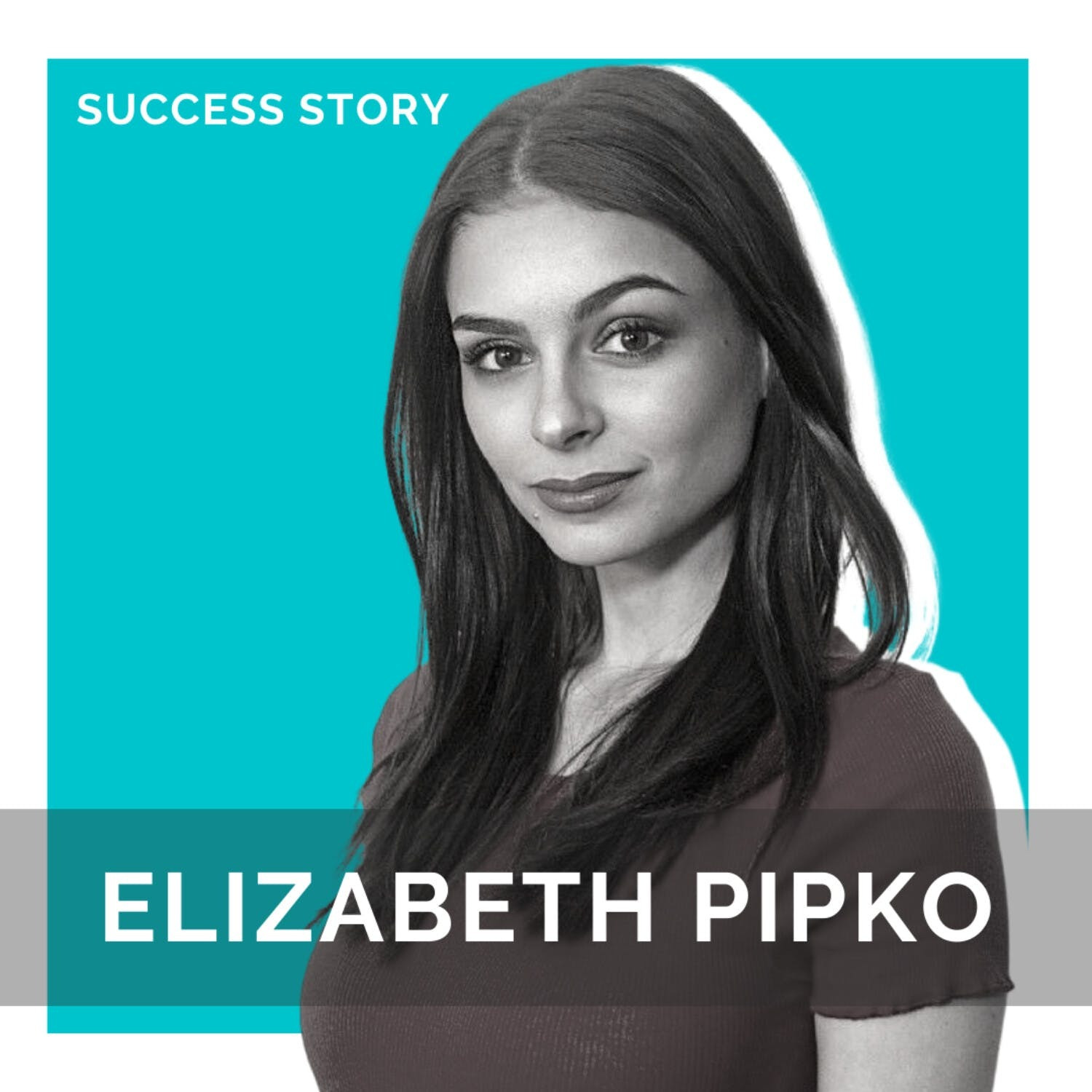
Elizabeth Pipko captivated the public’s attention in 2019 when she revealed she kept her work on Donald Trump’s 2016 campaign a secret while simultaneously working as a model for one of the world's top agencies.
Now, the model and founder of The Exodus Movement is ready to reveal much more than her conservative views in a new book titled "Finding My Place: Making My Parents’ American Dream Come True."
Pipko, who's been dubbed a “rising star in the conservative movement” by some, says there’s a lot more to her than a quick Google search. In her upcoming memoir, Pipko plans to address a multitude of questions surrounding her platform, but ultimately, her story is one she hopes will evoke a sense of patriotism in readers amid a political divide she feels has increased significantly in recent years.
The model-turned-activist has a number of accolades at age 25. Signed to Wilhelmina at age 17 and appearing in high-fashion editorials in publications like Maxim and Esquire, she is also the founder of The Exodus Movement, which is committed to fighting the rising anti-Americanism and anti-Semitism of the far left, as well as promoting support for Israel.
In "Finding My Place," (her latest book) Pipko, a first-generation American, will reveal intimate details of her life, such as her parents' and grandparents' escape from the Soviet Union, which she says instilled in her the daily reminder of the freedom that comes from being born in America.
Show Links
Finding My Place - https://amzn.to/3iHZB1s
https://twitter.com/elizabethpipko
https://www.instagram.com/elizabethpipko
Our Sponsors:
* Check out Factor: http://factor75.com
* Check out Factor: http://factor75.com
* Check out Justin Wine and use my code SUCCESS15 for a great deal: https://www.justinwine.com/
Advertising Inquiries: https://redcircle.com/brands
Privacy & Opt-Out: https://redcircle.com/privacy
Welcome to the success story podcast, I'm your host, Scott Clary. On this podcast, I have candid interviews with execs, celebrities, politicians, and other notable figures, all who have achieved success through both wins and losses, to learn more about their life, their ideas, and their insights. I sit down with leaders and mentors and unpack their story to help pass those lessons onto others through both experiences and tactical strategy for business professionals, entrepreneurs, and everyone in between. Without further ado, another episode of the success story podcast. Thanks again for joining me. I am sitting down with Elizabeth Hippo, who is an author, model, extremely talented individual. She is a trained figure skater. She speaks six languages. She has written a book, and she's writing another book, which is going to be coming out August 25th. So she's had a very diverse career. She has built a name for herself in a variety of different campaigns, advocating for different things, both inside and outside of the political arena. So you may have heard of her, but I just wanted to say thank you so much for joining me. I want to understand how you built out your career, where you came from, how somebody is so successful in so many different arenas, and just tell me your story. Yeah, so from the very, very beginning. My parents came here from the Soviet Union, so I was raised just like a very happy pro-American like child, who was just known that my life is good because my parents literally gave up everything to come here, and it's like a pressure that I think kind of stayed with me since I was like five or six and like able to even understand that, so like sitting with my grandparents basically raised me. And hearing like what they went through come here, so that they're grandchildren, which they hadn't even, you know, known at that point yet, would have this, you know, American life. Just kind of like a pressure. So when you say, you know, multidimensional, someone who does all these things, it seems cool, but it's like this anxiety that literally follows me around, it's like you have to conquer everything that you touch, and continue to do that through your life. And that. So I guess there's like good, and there's good and bad with that, but that's kind of why I've been like touching all these different things and trying to take on these different opportunities. So what was first? So yeah, so start from the very beginning, when I was 10 years old, I stepped on to the age of the first time and fell in love with figure skating. And my parents being supportive, amazing parents that they are, we moved across the country to Florida. So I could train in Florida with these like really intense, amazing coaches, who were the only like real professional coaches that would take me on at that point, because I really had some skating for like a month. I gave up my whole life for that, like my family, my friends, my health. Everything I knew, I was homeschooled starting, like immediately, I was skating like eight hours a day, really just like, hey, I'm going to the Olympics, the only thing I want. That was like 10-year-old Elizabeth's like dream. I spent like four years training really, really hard, caught up with kids, my age was amazing. And then I got injured like really, really badly, quite a few times. I had like a skate to the head. I broke my femur and half, like literally crashed in the long, like the entire middle, some knee to hip, broke my ankle, toes, like literally everything you can imagine. And then kept coming back, which was great. And then at 15, I destroyed my ankle completely, was told I would never skate again, as well as like, have issues walking running for quite some time. So that was really bad. I spent like almost five months, I think, in a cast, and then like seven years, and like intense physical therapy, just trying to like come back and be a human again. In that time, we moved back to New York, I went back to school, I published my, or self-published actually my first two books of poetry when I was like 17 and 19, I believe, which was really cool. I also got signed to Wilhelmina Models and started like, focusing on my skating energy and layering, trying to succeed as a model. In the meantime, my dabbles in politics, like you said, I worked in 2016 in politics, and then since that, I've continued on there. And then, except around the same time, 2015, 2016, I officially made my return to the ice, even though every doctor said I would never do it. And now I'm back training on the ice and waiting to see what happens to that, while also doubling in the new book and the politics and everything else at the same time. What is your focus right now? Because you're competing, not competing, but I mean, you're very effective at so many different things. So what are your focuses? What are your passions that you're doubling down on? You have this new book, you're back on the ice, figure skating, I'm not going to be able to provide much commentary on that because I don't know that world. But in terms of politics, advocacy, new book, what is your career, what is your destination look like? Yeah, a lot of people ask me that, the answer is I have no idea, which I think is good because I'm 25 and I don't mean to know what the hell I'm doing for the rest of my life. Right now, I do have a political organization that focuses pretty heavily on, I want to say, just like Jewish causes, it's political, technically. And people see me that way, which is fun, but it's like a very pro-Israel cause, which is less political for me, unfortunately, that's become political nowadays, but it's more like just a value I was raised with, I'm very pro-Israel, I spend a lot of my days literally stalking and fighting and isemitism, that's not a focus of my organization. It's also slightly political, which is fine with me, that's pretty like the touchy subject right now. And it's been hard for me since getting into it, losing friends and family members and being attacked the way I happen, but it's just kind of a part of what I am, what I do, I'm not pretending to be like, you know, person in Congress or Senator, whatever it is, I'm not pretending to be anything. I think since 2015 things have gotten crazy in politics, so my goal right now is to be able to advocate for the causes I stand for, while also just being a normal person. Like I don't think everyone has to be this like one-sided person who like strongly pro-right or for left or whatever it is. So I advocate for the causes that I stand for that have been with me since I was a child. I started my own organization, which is half-non-proportment and also a super PAC, so I'm very proud of that at 25 years old, but it's also just a teeny tiny piece of who I am and what I do. So I put my heart and soul into that and building that out, so now it kind of functions on its own, which is great, and I'm honored to be a part of it whenever I am, but it's just a little teeny piece, like I said, of what I do, so there's that. There's the pro-israel stuff, which is separate from politics and also combined, because that's the way life is now, but that's my heart and soul. I am training. No one really knows that. With the book, I'm kind of like, for the first time, telling people my story, I haven't talked about skating a lot, because it really, I thought, would be to be Olympics and I ended so abruptly, and I want to say, dramatically, but dramatically. It was really rough for me. I didn't talk about it. Now that I'm back on the ice, I don't know where it's going to go, but I'm back and I'm jumping and training and doing things that I did not know I was doing, so I'm comfortable talking about that, so I'm kind of telling the world that with my book right now is all of those other things. So I'm training. Luckily, I can figure skate at like five in the morning, so I can be done by like 9 am and take on the world with some other projects. It's good. There's that. There's the book, which I'm super proud of. It's kind of like a very pro-America positive, just like one girl story of how she came to, you know, where she is. It's not very one sided. I'm not trying at 25 or so to tell you how to vote or what to do. I don't believe in that. I'm not that person. I'm just telling you why I believe in the things that I believe in. So I think it's like, my whole life is like a weird advocacy mission in like different ways, and hopefully something pays and becomes like an actual career. Right now, it's just like wherever my heart takes me, I'm letting that take, you know, the hours of my day every single day. I think that the one thing, you know, that you hit on so many points and there's so many, so many things that I think are good lessons for people to learn from whether or not it's, you know, in the perseverance in, in figures skating or even like the very, very sensible view to politics and not, you know, when you advocate for things, it doesn't always have to be so partisan. It doesn't have to be all right. All left wing, there can be people that have, that have sensible views on different topics, depending on what the topic is. And the fact that you acknowledge that and like that sort of like where you're coming from is like a place of authenticity. I think, you know, when I sort of look over the persona of, of yourself, it seems like you're just building out a strong brand based on what you actually care about, which is I think very important, you know, you're, you're marketing yourself authentically. And I think that that's something that you don't see a lot of in politics. Fortunately, I think that that's something that we could use a little bit more of. And it seems like everything that you're doing is sort of falling in line with that strong sense of personal self. And I don't want to put words in your mouth. I'm just, that's sort of what I'm seeing as, you know, as you start going through all these different things. Yeah. No, that was very well put better than I could have said. No, I just talked for a living. So it's, the words come easier than you do a one off interview, but that's really what I see to be quite honest. So, so what's, you know, let's speak about some of the accomplishments. So the, the figure skating speaks for itself, you, you did a ton of training, you had an accident. Now, you're back on the ice and that's something you're constantly striving for. You're, you're persevering. And normally I would just ask something like, you know, how do you keep going? How do you, you know, how do you get back on the ice? But I think that a lot of the reasons why you can get back on the ice are the same reasons why you're able to have perhaps unpopular political views on some things that, you know, he mentioned, you lost some friends and family members, which is always, you know, it's very sad when politics causes that, of course, which is just stupid to be quite honest, but that it is what it is. People are very, people are very, you know, adamant about their politics and, you know, right now is like at an all time high in terms of advocacy for what people believe in. I see it on, I see it on social all the time and it just, I should probably, yeah. But let's, you know, I want to understand like what drives you, but first I just want to understand a little bit more about the causes you support and how you built up. You mentioned something. You said you were very proud of, um, I apologize. I didn't, I didn't get the name or what the, the actual movement was, but you said you built it up. It was a, um, what was that again? The pack. So I told the exodus movement. What is that? Exactly. It's a nonprofit with like a super pack branch. Um, basically when I got into politics originally, like I had a mission that we're going to campaign and then I was kind of like in that world and then know what to do. And like you said, I'm not like the very crazy, right wing, left wing, I don't believe it at any of that. I just believe in being my own person. And there was a lot of causes that I've been for, but I never wanted to be like this girl who worked for the Republican or Democratic party like that was never going to be it. Um, and then one thing that stuck with me since I was little was like advocacy for Israel fighting anti-Semitism like all the things that come with, you know, a girl who was in an orthodox Jewish school from like two years old to like 13. So I started a group which basically, um, without advocating for Jewish people, I don't think Jewish people were taken seriously in politics enough. Um, I don't know if you know this, I believe that, uh, donations in America, like 50% of donations come from Jews like combined, which is terrifying if they're two percent of the population, but like that involved financially, but aren't really taken seriously when it comes to the politicians asking them what they actually care about and what they stand for. Like it's like the Jewish vote was just kind of taken for granted. I didn't like that. I didn't stand for that. And I thought that they deserve better. So I started my own group, basically advocating for Jewish causes like Israel 97% of American Jews are Zionists, like they support Israel despite what you see on social media, that's just the way it is. And I don't think there was enough coming, um, to that, enough information coming to them from different politicians, what they were going to do for Israel, it was a lot that was like sugar coated by the media based on what they thought they could tell people or to get them to vote the way they want it. And I just don't believe in that. I think American Jews deserve to know where politicians stand on different issues that they care about and to make like a real decision, a genuine decision on their part, whether it's the same as mine or different, that's fun. So they should be treated as human beings and not just as a vote that they can check off. Democrat, because that's the way they've always voted. So I didn't believe in that. So the group just started out super political, like I said, but it's very focused on like pro Zionist pro-Israel advocacy, which is super important to me as well as fighting anti-Semitism which ironically at the same time and super unfortunately, just like spike in America and around the world at the same time that I got into this. So very focused on fighting anti-Semitism on both sides of the aisle, by the way, I don't care if you're a liberal or public, I don't care what you stand for, if you're an anti-Semitism, we'll call you out, we'll tell people not to vote for you, not to support you, and you know why this is coming out and from where. So fighting anti-Semitism, supporting Israel and also there is that little part that is very political, but I'm proud because it's a real organization, I'm 25 and I'm not just advocating on social media like a lot of people are and want it a real organization, so people will feel comfortable giving donating money or using their resources, whatever it is, but a real organization that I could leave my mark on and then maybe give off to someone else and move on, but just something real that I could build while I was in politics, but I have no idea how long that would last, you know. And how does somebody make that move such an incredibly impactful move like just to start an organization like this as opposed to just be like an SJW and try and be the loudest person on Twitter, because that doesn't do shit for anybody. So one thing I'm a huge advocate of, I don't really care what you believe in, but do something about it and don't just yell on social media, it doesn't really matter. What you believe in, you can believe in, you know, the sky is purple, but just do something to prove it out or to support that cause in real life. So how do you, how did you make that jump from just social that I'm sure most people, your age, that's really, you know, this is a huge generalization, but I don't feel guilty saying it because it's, it's, it's, it's very accurate. A lot of people are just SJW. That's literally it. I would sit at home and be like upset at that exact, like that was a speech I was writing through my head, and it was not just like young kids, by the way, like in politics, that's everyone. Like they want to see what they can like put their name on and get away with, but actually doing anything. Like older, you know, 50, 60, like real people that have been in politics for generations, not just people my age. So I thought it was my age and like, that's one thing, but like it's inexcusable when you're someone who's been in politics for like 40, 50 years, claiming to have had, you know, different effects on different people and elections or whatever it is, really just sticking your name on things, like people doing politics for four years, and I just, I didn't want to be that person. And I thought even the people that disagreed with me, which there are many, would probably at least respect the fact that I stood for, you know, what I believed in, and I did something about it, and I tried to not even change your vote, but like, you know, reach out to people and do something with it and not just at home posting on Twitter. I also get a lot of attacks on Twitter and I don't want to be that person, so I'm better at saying office social media and doing real things and not, you know, crying for like next time. So this was better for me as well. And what were the first steps that you actually took to do something? So I'm just thinking, people that are listening, if they really want to start, it seems like a monumental task to actually do something and to make an impact. So what were the steps that you took to actually, you know, walk, walk, walk us through how to start something like this? Yeah. So it's actually a crazy story and I won't air out all of it on here because it's politics and it's 30. But I was like dragged into someone else's idea for a movement. And when I saw, like you just said, how much was not actually being done and what was claimed to, you know, be in the works of the media and whatever it is and what wasn't actually happening. I felt extremely uncomfortable being a part of it as well as just like in danger of literally breaking the law. Like I felt uncomfortable being a part of something when I didn't know everything that was happening behind the scenes. Like I was in the front and whatever it is, it was blasted all over the media, but nothing that I knew about was actually getting done. Like I had no idea what was going on in the back and I just didn't want to be that person that didn't know what was going on and didn't know what they were actually advocating for. Didn't know what was set up behind them to get something done. I didn't want to be the base something what I didn't know what was going on and it kind of blew up out of nowhere. There's like idea about Jews and how they vote and blah, blah, blah and I was like, I can't have the media blow up over something and I don't, you know, have full control of what it is. So that's when I reached out to people and looked at different political consulting groups and met with people and decided I had to make a real organization and see what was going on before I lived this like weird fake life. Like he mentioned of just tweeting and saying things and not really getting things done. Like I didn't want to be that person and you'll be shopping, how few people do that. So when you look into it and you want to get it done, you actually can, you can very easily get it done. And you'll feel a lot more accomplished than tweeting something and you know, hoping it gets retweeted by whatever number of people. Yeah. Well, it's it's it's it's like echo chamber. I find like social media is echo chamber of people with similar ideas to you, which just propagates your own your own idea without actually sort of widening your scope or your view. And I think it's like a very toxic environment. I think that, you know, it's funny, there's different ways to look at this, but I think the social media algorithms purposefully or not are very damaging to communication, to conversation, to ideas and expanding, you know, the human condition and just sort of reaching reaching across the aisle. So to speak, just because I know that algorithms favor like content and when you have this like social media echo chamber of like content, you always feel like what you're saying is valid because you're being, it's being reinforced by people with similar views, which I think is the most dangerous thing because that that reinforcement is going to drive you to sort of put your feet down like double down on what you believe in regardless of whether or not it's logical or it makes it. I see some crazy shit on Twitter that like we're not talking politics like really crazy. Yeah. It's it's nuts. Absolutely not. It's what you can build a community around. If you're not careful and if you know, I think that that's something that there's so many issues with social media like mental health issues, you know, the need to get information instantaneously. These are all so many issues that we see social, but I think like politics is further propagated by social. But okay. So let's, you know, there's a lot of, there's a lot of things that you've built out and obviously there's some politics involved in what you were building up with the super pack. But that's not all of it is. And that's not all what it is. Obviously you want to sort of build something you're proud of and that you believe in. But you also, you know, when I'm reading sort of the summary for your book, so the book is called Finding My Place. That's the book that's coming out August 25th, right? Yeah. And it speaks about, okay, so now we got figure skating done and that's, you're still doing that. Super pack. Now, what, what are, it mentions like some of the lessons and moments that would dictate your future. I'm curious what some of those are. Yeah. So you kind of hit on this a tiny bit with like four talking about social media. People are very, very quick to like follow the crowd and let's be sheep because it's just the easier thing to do. Yeah, I was attached for, you know, four main politics, but I was attached with a little kid, like choosing skating over like doing drugs and hanging out with boys. Like that's, it's always been that way. So it was like a set easier for me when that happened because I literally had to deal with all that garbage my entire childhood. So for me, the book is about like people could say it's political, whatever they want. That's maybe three chapters out of 18, like it's about being your own person. It's so much more serious than politics because whatever's going on right now, whatever people are advocating for, it's going to change in the next, like in the next year. No one knows what's going to happen. No one knows why it happened in the first place. No one knows how long it's going to last and what the only thing that can last is like who you are as a person and what you genuinely believe in no matter who's around you. So I think the whole book really is co-finding my place. It's about how I had to go through life and never really found my place and whether that was skating and not putting in there because of how I started and how I trained. You know, Judaism, like I'm judged on both sides of the aisle and not work it off enough or I'm too work it off to whatever it is and I'm very involved in that world. And with politics, people really want to tell other people how to, you know, believe in their own faith, which is crazy. So they are in modeling, like I always felt like I didn't belong, even though I had like a real career at Willemina, which was really exciting. Politics, I certainly feel like I don't belong. I'm sure I will feel the sea in the future just literally finding your place through life and going on without actually knowing, you know, where you are but no one who you are, I think it's super important. And I think it's a really important book for right now if I can say so myself because it's just very genuine. I don't want anyone to read the book that he needs political because it's not. It's a book telling you why I chose what I chose and encouraging you to choose, you know, what you genuinely believe in yourself. Not telling you I would ever judge you for that. Just telling you that I would judge you if he chose what someone else chose for you. And now what you're really feeling your heart because life is way too complicated for that. And really just following what you feel in your heart, following what you believe in, something that I've done since I was, you know, three or four years old and hoping that, you know, people read the book and want to do that, living so or so. How do you, what is a, what is one lesson that you would tell someone who feels as though their opinions don't go with the grain and they have opinions that they, and you know, it's just something as simple as choosing the right sport or choosing an activity when you're young or it could be, you know, doubling down on your faith or religion or it could be choosing a political arena to, you know, sort of, you know, align with, how do you maintain that positive mental attitude? What's your trick for not caving, you know, or is there no trick? Maybe, maybe, you know, maybe it is very hard for you. Maybe there have been moments of like depression and your second guessing yourself. So what is your formula? Yeah, so definitely been moments of depression. It's been rough, but I don't think it was directly related to like being my own person and not just like injuries and, you know, things in between. I think like you said, there might not be a formula. When I was little, I was a very different person than now. I really don't know why. Maybe it's like so much parents and grandparents and what they went through and just like what they instilled in me without me even really noticing. But I had no problem being my own person. Like I thought it was the coolest thing in the world that girls were talking about. I don't know, smoking weed or whatever it was. And I was like, I have no interest in that. I'm never going to do it. Still haven't done it. Like I love being that person at 13, 14, 15, whatever it was. Still that person. But it was a lot easier when you like, when you're little. I think people don't realize how much easier it is. And you think that you're like, you know, going with the crowd and high school and doing stupid things. But you'll be different when you're an adult. And it's not like that. It's a lot easier to say no to like drums or drinking or whatever it is. It's like 15 that it is to make real world fish and a real grown up in the world. So that's when it started for me. And I thank God for that because I've got my injuries and with the anxiety and depression and everything that came from that. I think I became like a weaker person. Like I'm not the person I was in what was little before I went through. All the garbage is the last, you know, 10 years. Or whatever. So I'm proud of that person and that kind of stays with me through life. Like I literally sang what what 13-year-old let's do. Because it's way cooler than 25-year-old was, honestly. But I think it's also just, if you convince yourself that it's cool, then you'll want to do it. Like I don't know if there's like a formula. I don't know if I can tell myself like, hey, I guarantee you this will succeed because no one else is doing it. Like that will never click in my brain. But what we'll click is saying, hey, 10 out of 12 people are doing that. You want to be the two of us doing this because they're never going to make it. Because they're doing whatever one else is doing it. There's a reason they're doing it. And it's because it's easier. And you choose the harder path. It'll make you a stronger person or at least a different person who they are. Like you're not guaranteed to succeed. But you're guaranteed to get a different lesson than any of them. You know, we're ever going to get to doing what everyone else is doing. There's also a reason they're doing it. And that's because it's easier. Because when it's easier, it's never going to help you in life, ever. So I think it's more just like rationalizing it with yourself and telling yourself, you know, why do you want to do this? And why do so many people not want it? Why do so many people want that? Or why do they make fun of me for it? And realizing that it might actually be cool to be different. And that everyone that's ever made in life was probably super bullied, super different growing up and realized only like 30, 40, 50 years too late. That was actually the right way to realize it. Yeah, I think that's I think that I think you nailed it to be quite honest. That's that's 100% in my opinion at least how you have to do it. I think it also helps if you have a really strong support system. But for example, say some people don't. They don't have the support system. I don't know people that because of their, you know, God forbid, they're their political views. Like they've had fights with their family. They're, you know, this aunt is whatever cousin, the brother's sister doesn't speak to them. It's just horrible. But I think that reinforcing the why and reinforcing that like internal fire as to why you even started down this path. And then I love, I love what you've said about. I love the two things you said and I just want to highlight them. The first one being, if everyone's doing it, first of all, definitely doesn't mean it's right. And second of all, you can, you can be sure that even if you choose a different path than everyone else. Even if your different path is different, you can always go back and learn and, and default to the other way. They will always be there. It's always there. I love that. And then the other thing you mentioned is most, most successful people didn't fall in line with what's normal. You hear this from, I know you're speaking, you know, in your personal experience, your sports, politics, whatever. You hear this from entrepreneurs, like all these, all these, anybody who you know who is highly successful, who you know their name, guaranteed they were, if you saw them before they were successful, you would have been like, this one's a little bit weird. Because it takes a little bit of weird, it takes a little bit crazy. And even if you didn't meet them and think about yourself, guaranteed people would tell you, hey, don't go ahead, he's super weird. People want to bring you down. It's a minute that they see something different about you. Even if it's not weird to them, like, if they don't understand it, they hate it. Like, that's just the way it is. And they will always carry down. Even once you make it, they'll carry down even more. Because people don't like that. Like, people are uncomfortable by other people who like choose to be different. Yeah, very well said. I have a couple, I have a couple other, like, just professional insight questions that I like to ask. But before, before that, I just wanted to sort of close up, you know, pardon the pun, like, close the chapter on the book and just ask, is there anything that I didn't ask about the book that you wanted to that you wanted chat about? Um, no, I mean, I think it's just what I said, very like non, you know, non-strictly political at all, very pro-America, just, you know, very open and honest. But it's also when I came, like, out in the public world, in politics mostly, like, I was known a bit in modeling, but it's not like this at all. The politics is crazy right now. Yeah. A lot of people just chose to, like, tell my story for me, like, where there are, like, there were articles lying about who I was and, like, like, just garbage, nasty things on the other side, as well as just people, like, choosing to tell who I am, why I believe in what I believe, and, like, all these crazy things. And I'm not saying this book's going to be a bestseller, though I hope it is. But I think it was important for me, and that's another reason. I tell people who you are. It's important for me, I'm finally getting to tell my story. So it might be, you know, 15 years later, than a little 10-year-old lady who dealt with some bullying. But I'm getting to tell why I am where I am, why I made every decision I made. Some people are really going to dislike it. On both sides, politically, on all sides, and skating and this and that, because they're going to be uncomfortable and that's okay. But I'm finally getting to tell my story. And if you choose to, you know, go your own way, you will also have your own story worth. And if you choose to go with everyone else, the story won't be that interesting. It's 25, 35, 45. But I have a lot of, you know, weird things to share and cold things I hope to share and sad things to share. And hopefully people will read it and think, oh, I can do my own thing as well. And it might not always work out because it definitely didn't. But, at least, it'll lead me to be my own person. And that's what I'm having. You know, your story actually reminds me. On this show, I interviewed Anthony Scaramucci. And he's also the guy who came from not politics and was put into politics and just dealt with the absolute shit show that was politics. And he's like, and yeah, I'm serious. And he was like, you know, like Scott, he's like, imagine, imagine, I can't remember the quote exactly, but it was like, you know, imagine like the worst person in Wall Street and business and finance. That's like the person you want to be friends with in Washington. And it's just not because he was, you know, he's not young. Like you're relatively, you know, in 25. Right. No, he's been like, he's a real person. He's like, you know, multi-millionaire, like huge, with his venture capital firm, a very highly successful, accomplished individual, had a name for himself, a huge name for himself, just in like the Wall Street finance investment world. And he went into politics and he's like, it was just a nightmare. So I think you have to be like a different person to be okay with that. No, I can't even begin. Like it will cheer you up and spit you out. And like I always thought politics was cool. Like I watched all the movies and I was like, in like the mock election from school. Like I loved it. And I was like, oh, it's evil. Like people are evil people are cool. Like it's like a James Bond movie. It's 10 billion trillion times worse. Like I've read about a bit in the book, but you can't even begin like no part of it will make you feel good when you close your eyes at night. Like you will be like, I can't believe I'm a part of it. It is the worst thing. Just awful. God awful. And it gets worse by the day. And it's just terrifying how many people are young people. When I was little, this wasn't happening. Young, young people, 11, 12 years old, especially like the said social media. I feel like they're involved in like advocating for something and are just ruining their minds and their lives and depressing themselves and everything else. Cause I feel like there's like a submission out there for them. Because politics is just peeking over everyone's hearts and minds and everything else. And it's terrifying and it's awful. And I pray that it goes back to normal very soon. Yeah, I think that I think that I think because of all the issues that are on a global scale. Like COVID, George Floyd, social unrest. It's just like doubling down on already stressed people and then unemployment and economy. Like there's so many things that, you know, say what you want about Trump, but he is having one hell of a turn. Like this is not a normal time for anybody. It's not for the failing now. No, this is an absolute chit-chot for anybody that was in office. And, and, you know, I don't, well, I think that, you know, I don't want to compare to other horrible, global events, but this is like, this is in my lifetime. And in your lifetime, it's this is probably the worst it's been in a one. My kids are going to ask me about 9-11 and they're going to ask me about, you know, coronavirus. Like I think that, or like, at least 2020 as a whole. I think 2020 is a whole thing. I think coronavirus is like how it started. I'll just went down to the beginning. Yeah, and it's only July to just wait. God, don't remind me. Oh my God. I just like, I'm in Toronto. So, you know, I, I think we just allowed like a, not in, not in Toronto. I'm a Canadian, but in non Toronto. But outside of Toronto in Ontario, we don't have it. Half as bad as what's going on in the states right now in terms of daily cases, but we just were allowed to go sit on patios like in the past month, which is nice. But it's still it's just like, it's just, it's just. I don't know. Yeah, it's very, it's very difficult. And I, you know, the thing is like, you don't see the end in sight, right? That's really the issue. Like you just, I'm, I'm complaining about patios, but like realistically, like, you know, thank God, I still have work. You know, I'm very blessed compared to some people who are not so fortunate, but it's still like, for everybody, when's it going to end? Like when, when will the economy open back up? When can I, you know, I used to live in, in New York and LA. Like I used to go down to New York, like once, once a month for work. And now it's just like, it's all closed up. It's very weird. Right. I don't know. And it's like a weird fear of like this could last six months or this like New York. Like maybe the virus and, you know, hopefully when New York could still be New York, the way it is right now, the next two, three years. We might not be like Broadway and Times Square, like in the next three years. It's like simple thing. Like it sounds small, but it's really scary. Like the American spirit is like in that block, and I could just be gone. And that's that it's just, it's a rough time, honestly. Let's, let's, we can go into the negative and all that stuff, probably we can talk about that forever, but let's focus on some more positive, some things that you've learned from your career. So I guess one, one question I like to ask is what is something the biggest area of opportunity in politics and advocacy? What's a topic that you're interested, or you're trying to learn about right now? Good question. Unfortunately, I think every topic right now, I mean, it's out there, but they're all kind of overwhelmed with advocates. I'm like very, you know, very far, and both, you know, less right style. And it's very hard to be, not only your own person, but it's very hard to even research because you talk to individuals or whatever it is, kind of, you know, you can find out based on who they voted for, how they feel about the current administration, what they're going to tell you. Like no one wants to be honest anymore and speak as an individual. They speak as like a part of this, like, less wing or right wing army. And that's something that I just, I never want to be a part of. I don't believe in it. People on the right that support me are going to watch this and hate me for saying it, but I just, I don't like it. I just want to be my own person. Like I don't want to do that. So it's really hard right now to research and be a part of these things. Like for example, after George Floyd was murdered, it was a really rough time. An American history that's going to go down this a rough time, but it was really hard to, you know, individuals to live through that. Of course, family and everyone's separate extremely, but we all were, you know, in our own way, a part of it. Like America's facing a serious issue. And I decided to like, you know, call that out on social media and just say, hey, you know, racism is awful. And it's genuinely like heartbreaking that a black child is going to have to watch that video one day because it's plastered on social media forever and it's terrifying. And it should not happen in America, the greatest country in the world that my parents led to to avoid these things. So I said that and people on both sides, the aisle sides to call me either, you know, a racist who's never cared about black people in the first place, or those in the right who said that I'm the reason that, you know, America's going to fall through the cracks and die because I choose to call up racism, whatever it is. And it's like, I can't even stand up against racism as like a normal American who genuinely was heartbroken by that video, like 99.9% of people were. I can't even do that anymore. Like that should be the most basic American, you know, value in tradition, like we don't. And people being treated badly in our country by anybody. And you can't even do that anymore because people will tell you, you said it wrong, you did it wrong, you can't say that, we're on the right, you don't say that, we're on the left, we don't say that. And it was just, it was really scary, like it turned social media off for two days and it was genuinely less about like the nasty comments to me and more about like where the hell are we? Like my parents, my entire child, they were like, you were in the greatest land of all time. You can do anything, you can stand up against anyone, you can just believe in anything you want. And now I'm just a 25 year old, I think it was still 24 then, but a 24, 25 year old girl who's like, hey, racism is bad. Like it breaks my heart that this is out there. I have to say something because it hurts me as the one who fights against anti-Semitism, I was always fighting against racism the teacher of any time. And I have to say something because I just felt it in my soul, like I had to say something. And it's like if you get attacked for like a few sentences calling out racism, like what can you even stand for anymore right now? Like it's so hard out there and it's sad because it's not the country that we are at all. It's not the country my parents came to, you know, 40 years ago. It's not the country that I want to raise kids in. I want them to ever stand against, be sure to stand for whatever they believe and even if the people, you know, disagree. And like you said, it's social media too, like people just feel the need to call people out, tear them down no matter what they say. And it's bringing us down like as a whole so much. And I just, I don't know how it's like people are going to look back on this time because it's really scary. Like we can't come together to call out racism, call out anti-Semitism, like simple things that the American people have always done. And we can't do it right now because we can't get on the same page on the most basic human values. And it's so scary. Now, that was a very, very heavy answer, but I appreciate it because it's very... I didn't expect for you. And I didn't know it was good. And it's very real, but for yourself. So let's stay out of the advocacy and like topics because like you mentioned, it's very hard to dive into something now because of the environment. So what, for yourself, where do you, what else do you want to do in your career? Is there, you know, skating, advocacy, writing? What else is next for you? Is there anything that you have planned? So many things. My head is like, my wheels are always turning because I'm crazy. I need to accomplish everything. I would love to keep skating and see what happens. I mean, to make like an actual comeback to composition after everything would be just, but the greatest feeling in the entire world and be like a victory that I could take with me through my life because I mean, I had really the most amazing childhood and that injury and like the six, six, seven years that followed emotionally, like basically mentally, where like the hardest time of my life, like I dealt with like suicidal attempts and thoughts at like 16, 17. Literally couldn't walk upstairs for two years at the getting my past off, like getting back on the ice is traumatizing and literally cried every single day from pain. I still cried from pain sometimes because my ankle just clenches up and stops working. It was really, really, really hard. So if I could come back on the ice not only for myself, but anyone else that ever gets injured or just had a step back of any kind, like that would be amazing. So I'm really working on that to see what happens with skating. I think the advocacy thing will stay with me through life, like the things that I believe and I'll never stop, you know, advocating for those things, but also I think it's about opening people's minds, less about telling them, hey, this is what I believe you should do. It's more I think for me like encouraging conversation. Like I think people need to learn, or relearn how to have conversation about things that matter to them. So it's less about me explaining people why I believe in what I believe in. I think that's the second and like first off, it's just explaining people that it's okay to have the conversations about these different issues that's really important to me. I think that's what America stands for. And that's something that I'll always advocate for. I would love to go back to modeling. I was at Willemina, it was a big agency for like three years. Different agency went back and forth through a bunch of things. I did like a body positive positivity campaign a while ago, like a non-photo shop campaign with my vibe, all that was really cool. Just like whatever I can do with every little girl's dream model, and I love every minute of it. That would be cool. It would do that again. I'd love to keep writing. During like when COVID started, and I knew it would be locked out for quite a bit of time, I took an online really long, like a, I don't say, there wasn't like official culinary school, but like a culinary certification course that I spent like eight hours a day on, and I got my certification, so that was really cool. I'd love to do a cookbook after this book. That's another dream of mine. Probably a kosher cookbook that became kosher at 14 and like are going more and, my family's going slowly more and more with it off. Like as the years go on, so I'd love to like do a kosher cookbook and encourage other young Jews, keep kosher, see how easy it is, put my love of cooking into a book that would be cool. I don't really know, just all the things I mentioned that a hundred more, hopefully. Good, good. No, that's good. I just wanted to do any projects, but it just seems like you're always like keeping your options open and just, you just go in and just kill it with whatever you do. So like, you know, good, good. That's very admirable. It's hard for people to sort of take you. Even one thing on and do well at it, let alone a several things. So it's, I think it's like a personality trait. It's definitely, you know, that internal drive. Where do you go to to learn or to stay on top? Is it, you know, books, mentors, podcasts that you can recommend to people to go check out? Yeah, I'm really, really lucky. When I go somewhere, I go to my dad. He's the smartest person in the world and I go to him for advice on everything to look over like op-eds that I write. Like he's my editor and my mentor and my advisor like he's just smartest and kind of humanized. So I keep my person. So I go to him for everything, so I'm very lucky with that. I would say in general, watch out for everything on the internet like you said, like you never know. But I like to listen to podcasts a lot and I like to go back and forth between those that are like no one on one side of the aisle and those are no one on the other. Cause you'll hear the same topics being talked about in very different ways. And it's a good way to like form your opinions because A, I'd like to know one of the people are saying you don't want to go agree with them. That's super important. And B, it'll help shape you. Like when I was little, I thought that I was, I remember saying that I'm a Republican, like a lab or 12 years old and my parents were like, you're 12, like take it easy. And it's true, like you will evolve over time. So there's no reason that, you know, I meet a lot of people who are like 16, 17 and tell me like they look up to me or they're very strong, political or public, whatever they want to be. Some people on the other side who attack me, like same thing. And it's like you're a teenager or you're 20s, 30s, whatever, like you're going to evolve. You're going to meet different people, go through different experiences and your mind, like it could open up like the change in everyone else. So I would just say listening to everyone that you can listen to, that is kind in their approach. And you know, obviously keeps the same values more or less like that you support. But I would listen to everyone because it doesn't make any sense to keep yourself on one side because it's only going to shape you for talking to those people. And that's not what you want. Like we're not going to grow as individuals, but I'm going to talk to those that agree with us. That's just really, so I think that's most important. Listen to podcasts, the news, whatever it is, both sides. Because you will learn, maybe you'll learn that you're right. 100% right and you only grow stronger and you don't think that's important too. But you can't do that by only listening to those that agree with me. That's a good answer. You know, I wanted to, there was an example, I can't remember his name one second. It's the, he's famous, but it's the black guy who started a relationship with one of like the leaders in the Ku Klux Klan. And that whole story just blows my mind and it just makes me think like you won an extreme example of how somebody can change over time. That whole story and it's so bad that I'm blanking on it now. Geez, what's the good opportunity for people to Google and learn? Yeah, no, it's so long story short. And I'm going to be, you know, I'm going to be in so much trouble for getting the name, because this guy is actually relatively famous. Anyways, long story short, he was just doing interviews with people in this black guy was doing interviews with people in the Ku Klux Klan because he wanted to understand why they could hate. And he interviewed somebody who was like very, very, very high up in the organization. And, you know, he just went out on a limb and did it, did an interview with them, asked some questions wrote an hour, you know, they finished the interview. And then, and then, you know, he said, keep in touch, the Ku Klux Klan said, keep in touch. So he did. And he started inviting him over to his house, even though this guy was like a leader of this like very, very right wing racist organization. He kept in touch with this black, you know, journalist or I think he was writing a book actually on the Ku Klux Klan, this black guy. And, and I'm gonna get the names. I'm gonna drop the book in the links for this, because it's a great, it's a great story as well. I'll get your book as well in the links for this. But long story short, like, like 10 years later, something like that. This guy, the leader in the Ku Klux Klan built such a relationship with this guy that he eventually left the Ku Klux Klan. And he went on in his like his beach of him, like retiring from, I don't know how you leave. He was like basically this, this black guy has given me more respect than you all, all you white people have. And this is like a total, a side from, you know, your story, but I just thought it was such a, it was, I just saw it on goal cast last night. That's why it's so relevant. And it was just such a, it was such a like a impactful story about how like the total, total, total opposite end of the spectrum, if you open yourself up to learning, like the things that can happen and the person you can become, it's just, it's very incredible. It's just like, it's just total 180 from where this guy was originally. Right, yeah, if you want to stay in your circle, you can post in social media and get your likes for your opinion and call it today. If you actually genuinely want to change the world, you don't have to do that around people that are already agree with you. Like that's not going to change it. And you have to reach across something, you know, someone else. Um, uh, who are the three most influential people in your life? And you can say, for those two, it's okay. Most people say some, some, some people say that. I mean, I have a husband and a brother and two parents, so like four. Um, that's one people. That's one. Okay, that's perfect. I don't have a lot of friends, so it's actually easy. I say my, honestly, I'm very lucky. Like you said, support system wise. Like my parents are the greatest people in the world. My brother is my best friend. My husband is the kind of smartest. I mean, just perfect team. Like very, very lucky with everyone around me. Genuinely, like the close-knit family. I'm beyond blessed. So I have them. Um, I say I'm very lucky with grandparents also. Um, my grandfather, my dad's side passed away before I was born. Um, my grandfather and my mom's side, who was very close, it may have passed away like two years ago. I had like a step-grandfather passed away. I'd be here before that. I had like an adopted grandfather. That storage in the book, I'm very complicated as well, but he passed away like a year before both of them. Um, so my grandmothers that are still alive, very influential, just because that's like the legacy that I, um, in honor to be a part of like that's the pressure that I take with me when I want to conquer all these things. It's like looking at my grandmothers who, you know, may not be around, you know, won't be around forever. Like this is about like continuing their legacy, my grandpa's legacy, things that they risked everything for to come to America. Like so like grandchildren one day would have this legacy. So it's like a pressure on my shoulders because they're all amazing to continue on what they started. So I don't know if it's like, I don't come to them with every advice, you know, question, whatever it is, because I don't like to follow them with, you know, politics and keep it 20-year-old stuff. But it's like a lot like that's the pressure that's on me 24-7. So it does guide me, so I say that. And then I, I, I'm even now like I look at all different athletes and politicians and people all the time. I'll watch like random, it's also I say this in the book. I think I've watched like random YouTube videos for like America's Got Talent auditions, like all these things because like you want to open your mind and see people out there and there's so many stories, like I hope that my skating stories, and sorry, someone, there's so many stories in the world and so many freaking incredible people. And if you open your mind, whether you agree with them, politically or not, you bet them out. If they're from a different university, if you get different language, there are so, so many incredible people in our world doing the most, I mean, beautiful things, like the toughest things. If you open your mind and just try to look at it, you know, don't look for negative news articles. So you don't like look for beautiful stories from across the world, people doing things that you could never imagine a human being doing and seeing them getting it done. That will also lead you through the hard times, the good times, you know, when you're down, you know, that's going on some more at the same time. When you're up, you'll be happy because that's going on like it's just it guides you through life because we all feel like we're in a little cluster all the time, but the world is gigantic and so look amazing and evil and beautiful and special and different people. And when you know what's out there, I think it lists you up in a way that you wouldn't really imagine because you know that you're special and you're lucky to be in the world right now, as crazy as it is, the same time as all these, you know, amazingly different people. Very good answer. And what would be the best day of your life and the worst day of your life and why? Hello, Lord. The worst day of my life when my adopted grandfather, it was like, I've lost like a great grandmother before and like great aunt's uncle, like I lost people, but this was like my favorite person the entire universe. The story isn't the book and it's a really special story, so that's important to me, but basically, this was like a couple that a woman who came to babysit me when I was three weeks old because both my parents were like very busy and traveling and things and she came at three weeks and became like an adopted grandmother at one point, her husband started coming as well because my parents had a brother, and she was older and couldn't take care of me alone. And I ended up seeing them every single day. They became like adopted grandparents from three weeks old to the day. That he passed away, she's still alive. And God, I talk to her every single day. Like literally, you don't understand how lucky you are and like how much God loves you till he sends you this couple that has no blood relation to you whatsoever and loves you like their own child, their own grandchild. So I'd say when he passed away, it was just as hard as my grandfather later and all these things, I never experienced that, like it's that heavily because when you were loved unconditionally, like I was by all my grandfather's, you don't really think about it going away at some point. I think when he passed away, it hit me like, I mean, never be loved like that again by anyone. Like that's like the ultimate unconditional love. It's like a grandparent, especially a grandfather, granddaughter. So I'd say losing my grandfather and my daughter's grandfather, like it was just, you know, I lost like three grandfathers basically in a span of three years, that's hard. But it's like the scariest thing in the world because when you do go to things when you're little and people are against you whatever it is, like you said, the support system is most important. And I knew that they would just go to freaking battle for me, like that, like an unconditional love, I genuinely don't think I'll ever see again in my life done. So losing that was really, really hard, realizing that they won't like, none of them will be in my wedding. Like that was, I say that was hard. Like just, I'm gonna love all the grandfathers together because their deaths were just awful. Best day of my life is hard, I don't even know. I got married like a year and a half ago, so I hope that fits in like a top three. I don't know, I mean, meeting my husband, he thinks I'm crazy, but I think that day was more special for me than actually getting married to him because when people make fun of me, but it's true, I barely spoke to him that day, I just overheard him like speaking to someone I was working with and I came home and told my mom, like I met the man I'm going to marry today. Like I knew that day, so I think like that, I say that was more special than even marrying him. So that was a good day. Maybe it's just gonna sound clear. I share the day my brother was born into that. It's a good day, I didn't realize it still years later that he'd be my best friend. But I guess the day he was born is like top three as well. There's a lot of good days, I can't tell you what, I'll lump those together. No, that's good, that's good. Those are, I just like to, when I ask that question, it's like to understand like what is like really, really, I guess something that made a mark on your on yourself, like as you sort of went through your life and everyone has a different sometimes as careers and all the time as a family, but I like those are good answers. And I appreciate the story about all your grandfather's, but no, that sounds like, you know, sounds like you had an amazing, well you do have an amazing family, it's always nice and it's always helpful, right? It's that's, you can't take that for granted. What would be one lesson that you would tell your younger self? It's like keep going, like that would be number one because there was a lot of times, I mean, 15, 16, 17 year, I mean we all feel that it's teenagers, but like I consider my younger self even me like four months like just keep going. Like no matter what happens, you either, you know, you can either triple up and die right there or you can keep going by continuing half-ass, like that's just not going to work. So it's just keep going because the better days are always ahead or stays also, but you have to keep going because it's so easy, especially for me, I deal with so much anxiety all the time. It is so easy to just like stop and consume myself with like crazy, that's awesome. Negative thoughts and everything else, it's just keep going. The world will forget what happens today, you will move on better things are ahead, just always, always, always keep going. Very good. And then last question before I get some socials and websites from you, what does success mean to you? The age old question. Everyone says this and like I don't want to be a cliche, but I think it's like fully hitting me my whole life. It was like success is like having diplomas and degrees and awards and things to put on your wall. And I'm still that person and I want all those things, but my husband is like fully studying to like help me realize this, like success is so much, not even greater, it's actually so much smaller than that. It's being able to like lay on your deathbed and be surrounded by people that love you because no matter how many metals you have on your wall, you don't want to surround yourself with that by yourself on your deathbed. So it's about having people around you that love you and loving yourself, because one day you will totally be alone closing your eyes for the last time. And if you're not okay with the life you live, that is the opposite of success. It doesn't matter how the world remembers you. If you don't like the person you are, like your screws. But I would say liking who you are every single night when you close your eyes, continuing the next day in the same direction, and just trying to be kind to everyone on leave the world a better place when you see them. Very good. And lastly, where do people find you online? Twitter and Instagram are both just my name. Elizabeth Pipco and then ElizabethGo.com. That's all for today. Thanks again for joining me on another episode of the Success Story podcast. You can download or stream this podcast wherever podcasts are available, including iTunes, Spotify, Google, Stitcher, I Heart Radio, and many others. You can also watch this podcast on YouTube. If you haven't already, please subscribe and share this podcast with your friends, family, co-workers, and peers. Please leave us a rating on iTunes. It takes about 30 seconds as it allows other people to find our podcasts and lets our amazing guests reach even more people with their message. And remember, any rating is fine as long as it contains five stars. I'm Scott Clary from the Success Story podcast. Signing off. Yeah, yeah, yeah, yeah, yeah, yeah, yeah, yeah, yeah, yeah, yeah, yeah, yeah, yeah, yeah, yeah, yeah, yeah, yeah, yeah, yeah, yeah, yeah, yeah, yeah, yeah, yeah, yeah, yeah, yeah, yeah, yeah, yeah, yeah, yeah, yeah, yeah, yeah, yeah, yeah, yeah, yeah, yeah, yeah, yeah, yeah, yeah, yeah, yeah, yeah, yeah, yeah, yeah, yeah, yeah, yeah, yeah, yeah, yeah, yeah, yeah, yeah, yeah, yeah, yeah, yeah, yeah, yeah, yeah, yeah, yeah, yeah, yeah, yeah, yeah, yeah, yeah, yeah, yeah, yeah, yeah, yeah, yeah, yeah, yeah, yeah, yeah, yeah, yeah, yeah, yeah, yeah, yeah, yeah, yeah, yeah, yeah, yeah, yeah, yeah, yeah, yeah, yeah, yeah, yeah, yeah, yeah, yeah, yeah, yeah, yeah