


 YouTube
 Apple Podcasts
 Spotify
 Overcast
 Castro
 PocketCasts
 Amazon Music
 Deezer
 TuneIn
 Podcast Addict
 RadioPublic
 iHeartRadio
 RSS Feed
 Matt Stang - Co-Founder & CEO at Delic Corp | The Evolving Business Of Psychedelics
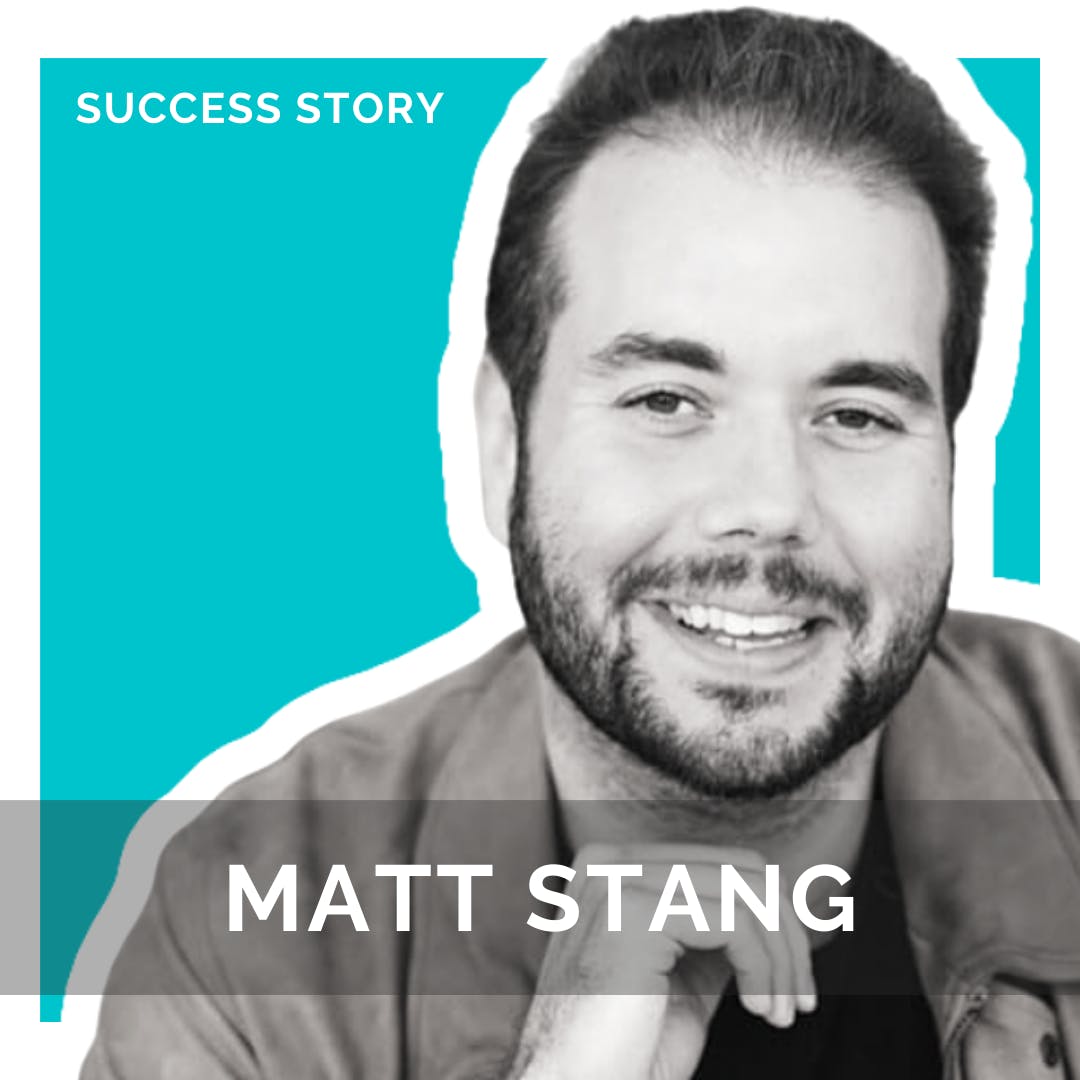
➡️ Like The Podcast? Leave A Rating: https://ratethispodcast.com/successstory
➡️ About The Guest
Matt Stang was an Owner and Operator of the High Times for 17 years prior to its sale to a private equity fund, and during that time he helped legalize Cannabis in multiple states, launched the Cannabis Cup in America, and helped build the legal cannabis industry. For almost 20 years he has met and interacted with all corners of the cannabis community.
As one of the most connected people in the Alternative Drug space he helped found DELIC 3 years ago as the first psychedelic corporation. His expertise in business includes marketing, branding, business development, and product viability.
➡️ Show Links
https://www.linkedin.com/in/matt-stang-1432023/
➡️ Podcast Sponsors
HUBSPOT - https://hubspot.com/
➡️ Talking Points
00:00 - Intro
03:26 - Matt Stang's origin story
07:39 - The history of the illegality of drugs
22:05 - Applications of illegal/grey substances
28:15 - Drugs' effects on creativity
32:01 - Building Delic Holdings
34:14 - Early adoption
35:58 - Medical adoption of psychedelics
41:04 - Growing Delic from scratch
44:26 - Where do people connect with Matt Stang?
45:44 - What was the biggest challenge Matt Stang had to overcome?
48:17 - Matt Stang's mentor
49:18 - Matt Stang's book or podcast recommendation
50:23 - What would Matt Stang tell his 20-year-old self
50:35 - What does success mean to Matt Stang?
Advertising Inquiries: https://redcircle.com/brands
Privacy & Opt-Out: https://redcircle.com/privacy
Welcome to Success Story, the most useful podcast in the world. I'm your host, Scott D. Clary. The Success Story podcast is part of the HubSpot podcast network, as well as the BlueWire podcast network. Now, the HubSpot podcast network has incredible shows like the Martek podcast hosted by Benjamin Shapiro. The Martek podcast is all about maximum value in 30 minutes or less. The Martek podcast shares stories from world-class marketers who use technology to generate growth and achieve business and career success all in your lunch break. If you like any of these topics, you're going to love the Martek podcast. Some of the topics are zeroing in on the ideal product price point, identifying loyalty plays for smart marketers, finding the line between sales and marketing and SaaS, extending the lifetime value of your customer. If these are topics that are interesting to you, go check out the Martek podcast hosted by Ben Shapiro wherever you get your podcast. Today, my guest is Matt Stang. He is the CEO of Delic Holdings. Previous Delic, he was an owner and operator of high times for almost 17 years. A position that he had at high times is instrumental in legalizing cannabis in multiple states and launched a cannabis cup in America after interacting with the cannabis community for two decades. He helped found Delic in 2019 as one of his first psychedelic wellness corporations. He shapes the company's vision and path using his expertise in branding, marketing, business development and product viability. What Delic is doing is incredible. They are leading psychedelic wellness. They are a platform. They're committed to bringing science back benefits to all and reframing the psychedelic conversation. The company owns and operates an umbrella of related businesses, including the trusted media and e-commerce platforms like Reality Sandwich and Delic Radio, Delic Labs, the only licensed entity by Health Canada to exclusively focus on research and development of psilocybin vaporization technology. They also own Meet Delic, the premier psychedelic wellness event, and they own ketamine and fusion centers all across the country. What do we speak about? Well, ultimately Matt just gave me a rundown about why he chose to go into psychedelics, probably based on his experience going into cannabis and why he wants to enable people to use substances that can actually help them better themselves and better their lives. He speaks about why some of these substances were illegal in the first place and why he is on a mission to help people get access to these substances through education and actual clinics that can help people live a better life with some of the various substances that are classified as psychedelics. We spoke about everything from psilocybin and ketamine to LSD to MDMA and how all of these different things can impact a certain part of your life in a different way, in a positive way if done properly. So a lot of interesting lessons on building a company in an industry that is not even entirely legal yet. So some great lessons there are some really interesting insights on how to use psychedelics and some of the results that they can give people for depression and mental health and well being are absolutely incredible. Let's jump right into it. This is Matt staying CEO of Delic Holdings. Well, thank you so much, Scott. What is my superhero origin story? You know, I was I was in a lab when I was 16 and I got bit by a radioactive spider. And these crazy things have this one before. Sorry, I think that's a different story. My my origin story. In this business, I would say runs through cannabis. I was an owner and operator of a company called High Times for about 17 years before selling it to a private sector. So where did that begin? It began with me writing a senior thesis in college about marijuana legalization in the time of terror, because it was 2001. And looking at how the criminalization and drug war around cannabis was a not only a major social issue, but also an economic issue and looking at, you know, trying to take away the tax money. The, you know, they add tax money from the taxation of cannabis, as we've seen, it's pretty massive and take away from the cost of fighting the drug war. And so I wrote a 70 page thesis on how we could convince the other side of the aisle at that point. And, you know, the broad majority of the left wing and the vast majority of the right wing by giving people an economic incentive to change a messed up set of rules. I created that wrote it when for a quote from the general counsel of high times. I knew through someone and he read the thesis and said, love to have you come in and intern at the company. And that was it for me that I left, you know, graduated from college, started at high times, 12 days later, and worked my way up from an internship to owning part of it and operating company. And so that was my, my origin story, I've been a true believer in changing the illegal nature of certain circumstances, I think that there's a major disconnect between a country that promotes liberty and freedom. I'm a jailspeople for going after their best life. So, you know, for me, cannabis was the first piece, the gateway drug, as they say, and psychedelics are what's next, right? And I think the science has really got there. We formed this company, my wife and I, about three little over three years ago now. And, you know, when we created it, it was, it was really that the supposition that the tipping point was coming for psychedelics, the way it had come for cannabis, and three and a half years ago, when we formed it, you know, that wasn't very obvious to a lot of people. It really is, and that just comes down to simple facts, right? You just look at the science and you look at the mental health pandemic that's sweeping behind the actual pandemic, and the fact that we just don't have good mechanisms for helping people with mental health disorders. And that's how I get here today is the CEO of Delacorp and co-founder with my wife, and, you know, I think my origin story is just always tilting at these windmills, really trying to change things that are fundamentally wrong in society. And I think you can do really great things by changing things and also the economically successful. Why would some of these treatments or some of the things you're working on with Delacorp, and even like the mindset of the government when you first were starting in cannabis, why are some of these to tee that for people that don't really know the history, why are some of these botanicals, what I don't even know the proper terminology, so maybe correct me, but why are these some of these items illegal in the first place? Wow, how long do you have? Because that's a very long, I mean, you know, some of the stuff dates back to Harry Anselinger and his his 1930s were on mostly brown, mostly Mexican folks bringing in marijuana. There's also, you know, the the latter day drug warriors, which, which really results from Richard Nixon and his unhappiness with the protest movement against Vietnam and, you know, utilizing essentially, you know, the structures that were in place already, there were already laws against it, but no one had spent time and energy really enforcing it the way that the war on drugs did. And so the war on drugs, as we know, it really happened in the Nixon administration, it started obviously long before then. A friend of mine wrote a 450 page book on this, so there's a lot to talk about. But, you know, if you want to be like, hey, I'm just driving to a 711 and back and I only kind of want to hear that it's basically, you know, there's been a lot of incentives alignment for jailing folks who are marginalized who are trying to get their own voice and you can't do that in this country. For them being marginalized and trying to get their own voice, but what you can do is criminalize behavior that is easy to spot and then go and arrest them all, so you look at how they took down the black panthers, you look at how they took down a lot of the new left kind of hippie and guard folks and it really comes down to, you know, they can't get them for free speech, but they can get them for drugs because they're going to wind up smoking and joint. And that's a pretty easy way to throw them and jump five years. And so there's a lot of that underlying for war on drugs and that's I think what makes it so incredibly wrong, you know, you look at prohibition and how it started and what it did it built a criminal class and it built a total. New world of people who were just, you know, everybody was breaking the law during prohibition because everybody wanted to drink not everybody, but you know 50 60% of the population became lawbreakers and then all these places where drinking happened became their own gambling halls or houses available for computer vice halls or whatever you want to call them. And that all came from, you know, taking something that was regulated and pretty good. Okay, and then slamming it out and putting it in the hands of criminals who could now make 10, 15, 30 times their money on bringing this product in. Right, and that same misalignment that created, you know, all of the gangsterism and the Costa Nostra and all these other things is the same thing that happened with the war on drugs. You take things that people want and that the underlying issue is that people, people want these drugs, right, the reason that Miami in 1980 had had 11 times the cash running through its federal bank that all the other federal banks in America is because people were buying the cocaine, right. There's no, there's no question that people were buying the weed, they were buying all of these substances because people fundamentally like to alter themselves. And I think if you look at it at a high level, you know, kids start when they're young, look at the marketing for sugary cereals. Or one of, you know, sugar is probably the quickest acting narcotic substance known to man. And it really changes your state immediately. And once it goes away, you want more. And you look at coffee, that, you know, 60% of the manipulation drinks every morning, it's a drug, right. So it's just what we've done is created this. It's a situation where a bunch of drugs are legal fortune 500 companies with great marketing and on every shelf everywhere and then other ones are pushing the back and you go to jail if you touch it and yet people still want it. You know, I think fundamentally what we see is that things are changing, right. The cannabis changes are quicker than I even thought possible, you know, when I first lobbied for the first state for legalization when we put up, you know, this stuff for safer that marijuana safer than alcohol, which it is. And, you know, that message caught and they won the initiative in Colorado and it became legal and people went and saw this is not breaking the country apart. It's not causing crime to rise is actually just getting a bunch of North tax dollars. And now people don't have to step into illegal areas to do that. And so they're not exposed to negative illegal kind of things. So I think that same presupposition and the same path that's been trail that's been blazed is, you know, the same thing that we're looking at in psychedelics. There's something in New Hampshire today that's going through to try to decriminalize psychedelics for all people. New Jersey decriminalized magic mushrooms, you know, it's just been places that I grew up in New York going across to New Jersey 20 years ago, it was the place that if you had the smallest amount of pot on you, you're going to go to jail for two years, right, it was like total police state. Now it's fully legal. And they're embracing psychedelics as well. So I think, you know, this, this change is happening and it's, it's a sea change in how people see stuff. And I think a lot of it comes from just the, the scientific consensus around what these novel compounds can do. So you're seeing, you know, a lot of, a lot of action and heat around all these different compounds of, you know, still Simon is in phase three clinical trials with the FDA MDMAs and phase three clinical trials. We at Delic have the largest chain of ketamine clinics in America, so you can go and the only FDA cleared substance that has that psychedelic effect that allows people to really turn off their bottom of network and change their mind. It's just a sea change in how people work with mental health because, you know, it's just, there's too many people who are depressed, anxious, have PTSD, whatever you want to call it, and people want to change it and they have, you know, what do they have? They have benzodiazepine and other anti-anxiety medications that have horrible side effects in our dick as hell, or they have any depressants that make you feel like you're in a fog that over half the time they don't work. And people have depressive relapses, they have to change drugs every couple of months, they're, you know, I feel like they're, they're just stuck in this haze, they can't be up or down, you know, all this stuff, and it's, it's just, it does it, it's a broken system, right, and I think we have a technology at hand that the science shows actually has curative properties and 60 70% of people it's not a panacea, it's not a. It's not going to fix the world immediately it's not going to everyone's not going to be saved, but it's just getting it out there and letting you know 60 70% of people get better and not have to be stuck on a site that you know a constant hill from a pharmaceutical company that doesn't really fix them but keeps them from spiraling worse. It's not a great answer, you know, some people are going to still need that there's some people who who psychedelic medicine won't work for so i'm not going to be unrealistic it's just there's a large and I would say more than a majority of people for whom this will be helpful and people are seeing that and you know what i've seen in my origin story is that a lot of this comes down to your friend your cousin your aunt. Your nephew your niece telling you hey this helped me and then that touches 40 50 70 people who that person is close to and that's what what happened with cannabis when we launched the first medical marijuana magazine. 18 years ago really pushed that narrative that the science was there, even though here's the thing with cannabis you couldn't even do this work you had to do it like around the edges because of the the only way to get a license cannabis product to try was through the DEA from the University of Mississippi the weed is like 4% THC and it looks like dirt so and to get that it would take four years of applications. To maybe qualify for getting a small amount of it so you know a lot of the work that that we were basing it on was just doctors and folks who were stepping outside of the normal medical procedure because they saw what was happening. To their their patients at medical marijuana places and seeing tumor shrink and seizure stop and all of these things and they were like well fuck if this works we got it like we we can't wait for the government to allow us to do this work right and so that's. That's where it came from and with psychedelics the nice thing is these substances are available for the scientists to do their work so there's there's an incredible amount of data pouring out every every month or two showing efficacy showing how it can help with different things you know looking at social anxiety and micro dosing that's like I would say 30% of the population has some form of social anxiety. Or just uncomfortable and especially after the pandemic I think most people are a little uncomfortable and crowds now. More than ever more than more than ever it's not easy like that the mental health concerns coming out of the pandemic are you know exponentially increased pre pandemic so this is needed more than ever for sure for sure. No, I was just thinking. Yeah, sorry. No, I just think you know there's so much opportunity to help people and shift their their perspective and their life and I think it's really heartening to see you know I get I get. From my team I get emails every day from people who have gone into our clinics and you know talking about how it's changed their life for way to veteran in yesterday who said you know he felt like change and he couldn't believe that he's he's able to be up and awake and with his family and and not have these racing thoughts and this this like you know PTSD right he serves his country. And has a great deal of PTSD and anxiety and he hasn't felt free of it in six years and he said today he was at one of our clinics today the guy said today yesterday was the first day he's felt that in six or seven years. You know feeling that change in people is is pretty amazing and I think the more of that that happens the more that amplifies that words the more people whose lives are touched by it the more people won't stand for. You know all this stuff being pushed into a closet and that's what's happened with cannabis you have you know now 93% of the population supports medical marijuana where when I started it was like 22%. So it's it's probably the greatest sea change in American politics that I've seen in 60 something percent support full legalization now. So it's it's ahead of any political party so you know I think I think you'll see over the next couple of years as people get treated and as people get better through these medicines you're going to see. Similar story where you can't like you can be as whatever political side you happen to be on but if you're your kid or your niece or your your friends kid and they're like suicidal and then they're not and you're like how the fact of that change and it's like I will they went and did a ketamine therapy or they wanted to sell seven therapy. You can't argue there's no arguing you're just like wow that okay I'll I'll store that away because if I hear about someone else with that kind of show I'll make sure they go do that. I just want to take a second and thank the sponsor of today's episode HubSpot now if you're tired of slowing down your teams with clunky software processes and marketing that's difficult to scale HubSpot is here to help you and your business grow better with collaboration tools and built in SEO optimizations HubSpot CRM platforms tailor made to help you scale your marketing. It is integrated calendars tasks and commenting help hybrid teams stay connected while automated SEO recommendations intuitively optimize your web page content for increased organic traffic ditch the difficult and dial up your marketing with tools that are easy to use and easy to scale learn how your business can grow better at HubSpot dot com. Yeah can you can you walk through so you mentioned a few things psilocybin ketamine micro dosing people that are new to this they don't understand what this industry is all about everybody gets cannabis you speak of a cannabis there's no no one is confused but a lot of these items people may have not heard of before. So what what are some of the substances what are some of the applications what are some of the things that that fall under the umbrella of psychedelic wellness and just like walk through them because I want to understand like what some of these things can actually be used for what they what I know that a lot of the stuff is not like FDA approved right there studies but it's ongoing but anecdotally like what some of the stuff be used for. For sure so I mean that is a big part of this right so as a company we are only doing things that are fully legal and an FDA approved so we're we're running clinics that do ketamine which is the one substance that is FDA approved we have. 13 clinics around the country where people can go in and get a treatment what does that look like that's a you come in you get an intravenous solution of ketamine or an hour and a half or mental disorders or four hours for pain disorders. You sit there and and it it is unlike anything i've ever seen and you you basically disassociate from yourself you feel people have described it is feeling like floating or like like you're out almost out of your body. And when you're done with the experience people report an almost immediate sense of anxiety going away spinning thoughts racing thoughts depression so it's it's really kind of incredible. So that's that's ketamine that's the one thing that's there now you're asking about the rest of the stuff i'm talking about that's that is still outside of the scope of what's allowed in this country actually three days ago Canada. We have a lab in Canada that has a license for suicide and cannabis so Canada just allowed for doctors to write recommendations to patients to utilize these psychedelic substances and health Canada will give an exemption if someone is. In major crisis or not long to live or you know they've created a whole new setup just started you know this week so we'll see how it plays out but they're allowing because of the breakthrough nature of these therapies they're allowing people to not wait the time it takes for approval because they see low incidence of abuse and also. Very low incidence of actual negative side effects other than you know the classic bad trip where you feel kind of crazy. But that a lot of times for people with these disorders helps right because you're going into an experience and you're processing through something like a traumatic stress. And it can be really scary inside of it but then when you come back you come back with a sense of connection so sorry back to your your main question what are these things I can walk through kind of the substances that exist right now and what they're being used for and where so. Top of mind just because of the science would be psilocybin you know we have multiple high high level. Programs ones at John Topkins ones at NYU ones at Imperial College of London these are major research institutions doing work around psychedelic therapy and psilocybin was the original one that people really focused on because it's low incidence of abuse. And then you know the side effects and has really strong results so right now there's a company called compass pathways that is a large public company that's based around psilocybin therapy there in phase three clinical trials with their. And they've been setting it for depression and mood disorders and and then they have some phase two trials around other things I think they're going smoking cessation and you know end of life care. But what does it do you take a you take a dose it lasts 46 hours your your default mode network which is the central processing core of your brain that you use to make sure the door is closed or the ovens off or you know just kind of keeps you looking both ways across the street that shuts off. And new neural pathways are built so they've done a bunch of brain scans and parts of your brain that don't fire for years or decades things from childhood fire in random different patterns what does that do it creates these psychedelic experiences. The resulting experience usually now this is not always because it's very different for people but there there seems to be a commonality of feeling a feeling of connection a feeling of all or or a sense that you are part of something bigger almost a psychospiritual moment and then you know a sense that things will be okay right and a lot of this comes down to people's brain. Thinking things aren't going to be okay they're in fight or flight they're in a sense that they're under attack even if they're just sitting there doing nothing. And that I think is a big part of this you know psychedelic revolution is is allowing people to get outside of their brain a little bit and kind of quiet down this default mode network that is overactive in people with mental of mood disorders. So what else is there. Yeah please. No, no, I was going to say the only the only other question I had was so you have ketamine you have psilocybin and then I guess the there's so many other strange applications that I feel I've heard of but obviously there's these are not to approve by any means but that like shutting off that that system does that allow for more creativity or because you always now your story. There's a lot of theories of CEOs micro dosing to help them with their creativity or their productivity does that fall under that same mechanism or is that something is that something different. Yes, so the micro dose is at least as the scientist if I'm not a scientist so I don't want to. There's a lot of caveats and I know you're publicly traded I don't want to get you in trouble I just I just find it's interesting so yeah. And I would say like the explanation that's been given to me by scientists is that the sub perceptual dose the micro dose it acts completely differently on the brain as a macro dose a perceptual dose. And so what it's doing is it's it's stimulating kind of blood flow and and a little bit greater awareness and empathy and and just kind of pushing people to be a little bit more connected with themselves and a little less. You know distant from their their environment themselves they lock in there a little bit more focus and you know I think there's been a huge push in micro dosing mushrooms are the ones that that is the main thing but still LSD has also been a big you know and I know folks are developing. There's one company in phase two a clinical trials with psilocybin micro dose another company in phase two clinical trials first LSD micro dosing so I know they've had enough success to make it through a whole round of FDA testing and it's it's noticeably working it's just you know this is going to take another two or three years to get out there there's also. You know folks doing off site kind of places there's Jamaica allows for psilocybin so there's a bunch of psilocybin resorts there and obviously with covid so difficult Amsterdam allows for psilocybin products to be sold so there's people doing Amsterdam psilocybin and micro dosing products. So that's you know it's around right now there's clearly a lot of people doing this and then it is the kind of West Coast Silicon Valley folks it's it's been pretty ingrained in the society there. For the last couple of years that micro dosing is part of kind of that biohacking mindset and you know I think I think it's it's an incredibly powerful substance to help change people that way I think when you're asking about the creativity side what I've seen on the sciences that the macro dose is the one that it really shuts down the default mode and opens up the other brain neurons and can. It has proven to regrow neurons in scientific testing doesn't mean it will do so every time in your brain but you know the the underlying. Suggestion is that using these psychedelic novel compounds to both turn off your your default mode open up the rest of your brain and then regrow neuron connections in your brain so you can perform at a better or higher level right and that's what people are really looking at. Amazing now as you built this company out I thought it was interesting that you don't just have these clinics you also I see a little bit of a of a strategy that I think you're deploying probably from high times because it seems like you're building out. A media company to support the actual company and any initiative you take on the future because you have an umbrella of products I consider you're going all over podcasts you're going. I think you actually have you have like an actual podcast yourself so you're building out all these incillery incillery products. So walk me through the actual strategy that you use to build a delic holdings and why you're sort of building out reality sandwich delic radio delic labs. What's another one you have. You have all these different things yeah. Yeah we have the largest psychedelic event in America last year. You know I think I think when you look at the reality of business today there's a couple of main level gatekeepers the Google's Facebooks of the world that intermediate your connection to the interested parties or you can have a direct connection. So we've really looked at this as an opportunity to build you know a new line company that has a direct connection to the people who are interested in psychedelic wellness so we have reality sandwich platform that gets through 400,000 people a month we have the largest psychedelic trade show in America meet delic we have a delic radio the podcast network and then we have a delic labs the you know kind of science backing to kind of backup all this stuff we keep talking about we have and he is working for us. And what we really looked at is building this ecosystem as a means to you know help people understand what mainstream psychedelic wellness looks like and then if they're interested they can come to one of our clinics and try it. And do you see the do you see the market growing so you're in it right now you have the clinics like walk me through walk me through the interest in this particular industry and who is interested right now is it people that are younger that may be early adopters and something new or is it people that are older like what's the demographics people that are starting to really get interested in the psychedelic wellness. Yeah you know it is pretty broad range right we have we have folks who are 65 and have been trying different stuff for their whole life and they see a special or an article and they're like can I finally stop taking five different pills for this wow that would be amazing. And then we have you know 22 year olds who are looking for a way to hack their anxiety and I think everything in between so you know there's not a psychographic profile that is the singular person we're going after because it's it's just such a broad amount of people who have these issues you know there's 51 million people with some mental health disorder in America today and that was those numbers are from before the pandemic. I would kind of hazard that about half of the population has some form of PTSD or anxiety today based on what we've all gone through for the last two years. So there's a lot of people and you know people are looking for things that aren't just taking a pharmaceutical drug every day. I think that's that's the big change that's been happening over the last couple of years and you know we want to be a big part of helping that change move forward. Now follow up to that an interesting point on cannabis so now cannabis is much more popular but it's more a lot of the application can be recreational some of the things that you're mentioning here are directly replacing drugs that are put out by large organizations by huge organizations that are supposed to combat mental health and well being. So how do you see this playing out how do you see some of these options replacing some drugs that it's such an entrenched industry with billions of dollars supporting it. How do you think that we'll ever get these off these I guess treatments to ever be something that a doctor would prescribe over some some drug that's you know they're getting lobbied by all of these you know big pharma. How do we actually take this and make it so that it's it's the de facto treatment if it's just as effective and healthier for the patient. I mean I think it comes down to you know patient awareness right so it you know it in the end people get to really choose their own treatment right a doctor can tell you this would be good but you get to go to a different doctor if you're not happy with you get to decide how to treat yourself and you know I think a lot of this is. Building awareness and making sure that people understand this is an option because once people understand there is an option a lot of them are looking to take it right they want to find a way to help themselves without creating all these negative things that the pharmaceutical companies put out right and what I'm saying is. It's not going to take over completely because this doesn't work 100% nothing works 100 if someone tells you something works 100% their bullshit right this is this is our internal numbers show about 72% of people are markedly improved after one week of treatment and you know after six months that number stays around 72 or 73%. There's a lot of people at least among our sample subset of about 80,000 people that have gone through our clinics that that are markedly better does that mean that everybody's going to come through this now I think a lot of this is also going to be going through. Drug companies right the compass the psilocybin business is a book billion dollar publicly traded drug company so if if it gets pushed through FDA which everyone believes it will then does a Pfizer or a Nevardis coming by probably right so like is is the reality that these large pharmaceutical companies are. Thanks with patents does that mean that they go and buy things that are breakthrough therapies yeah that's their job you know I had a friend who helped create. pharmaceutical which is that the first people to create a pharmaceutical cannabis spray that was a whole plant extract and they got brought for seven and a half billion dollars last year right so there's. By a large show company and that's that's the likelihood is that you're still you're still going to be paying pharmaceutical companies money for these treatments. When they get pushed through now there's another company maps that is a there are you know a nonprofit that turned into a. Mutual benefit corporation and they're they're doing MDMA so they're they're fairly far along on the phase three for MDMA they have specifically said they won't sell to a drug company so you know if you're doing MDMA therapy you probably will be supporting further drug legalization because they're planning on taking the money they make from that reinvesting it into lobbying for more. Change to the drug laws so it's it's really comes down to and there's so when you ask me before what else is there there's I wasca DMT. Fyote that you know there's the. Toad which is another form of DMT five MDMT there's there's I began which is perhaps the best anti addiction treatment ever I've personally seen two people go they have it in Mexico you can go you you're addicted to heroin you do this treatment for a couple days you're not addicted to heroin now. The problem is it doesn't actually address your psychological urge that drives you to numb yourself to the point of doing heroin so. Physical addiction is one thing your psychosocial mental addiction is a whole another thing and you know it comes down to like you need something else beyond the I would gain if you want to then go and address the. The gap in you that that needs some form of of dream state for most of your life right that that comes as well. Where do you see in all things are moving in the direction of the moving right now the loss of moving right now where do you see. Both Delic yourself but also the industry in five to ten years. Sure well I see Delic as the largest chain of psychedelic clinics you know moving beyond just. Yeah I mean in being there for any novel compounds I think having you know 150 these around the country and people feeling like there's a safe. Effective clean well run reproducible model that they can go to wherever they are if they need a treatment I think that's something that we we want to be and have the framework for building. As an industry I think you know it's a dual track right there's you look at what Oregon did last year they legalize psilocybin for. Non FDA medical use so when I say medical use they're they're doing it in a way that's outside of FDA framework and they're going to allow people to just open clinics for psilocybin treatment early next year so. Do I think other states are going to have similar you know valid initiatives yeah I think I think you see California will probably you're up for one some of the other liberal western states that have valid initiative modes will have some form of. Whether it be decriminalization or legalization you know we've had two dozen municipalities just legalize at the end of plants or or any psychedelic substance you know so it's it's happening all over the place so that's. On the one side and then on the other side I think there will be 10 you know say five years from now there would be like six or seven psychedelic compounds that will be legal 10 years there would be like 15 30. So there would be a lot of tools in the tool chest and you know if if one thing works for people 70% of the time the other thing 68 and 63 well you know you find out by going in and trying one of the things and if you're markedly better great and if not you can go back and try a different one in two months and see if that one. I think it will help crack whatever's going on with you because the brain is literally the most complicated thing on a human right it's just we still haven't cracked it we still you know they're talking about AI but they can't make a computer do anything near what a brain can do you know Tesla has been working for five years on having their thing drive itself I have I have a Tesla when it goes. I had a bunch of times where I'm in on a pilot and it just acts fucking crazy and like what the fuck but you know it's a machine I can't it can't actually process you know a human brain sees a cone they see a car drive and you see all of these different things and you put it all together you say slow down or speed up right and that's a huge processing thing that no one can really figure out or change right now so I just think there's a there's a lot to be learned and. You know this is part of hacking how to make the brain really a better tool and stop fighting ourselves with it amazing it's super super interesting I want to I want to pivot into some rapid fire just to pull us some insights from from your career and the businesses you built but before before I pivot is there any other things that that you wanted to to go into that we didn't go into and also most importantly where do people connect with you where do people go. We will find more information about Delic about some of the clinics about some of the the publication or the media that you put together all the socials website all that sure so I don't think there's anything that we didn't talk about but connect with me delic corp.com is the top level site with all the information and you can write in and ask any questions you want ketamine wellness centers is the name of the chain of clinics KWC ketamine wellness centers. Meet Delic is the name of the event around psychedelic wellness we got another one already on the books for 2022 and November in Las Vegas reality sandwich if you want to learn more about psychedelic compounds and and what you can do a reality sandwich calm and you know love to hear from anyone any questions you know I think we love powering this this revolution we think it's going to change the world. Amazing okay let's do some rapid fire the biggest challenge that you had overcome in a professional or personal aspect in your professional personal life but was that challenge had you overcome it. Challenge huh yeah I remember one time I was I was running our cannabis cup for high times and we got a we got a notice we had an event coming up in three days. And I got a notice from the city of Los Angeles that they were not going to allow us to do the event we had it booked and happening that Saturday it was Wednesday morning and they said you can't do this meant we had about 150 booths and 8,000 people showing up on Saturday. And I had to spend about 24 hours straight did not sleep just calling everyone I knew and I found a venue in San Bernardino called the National Arms Show not center and managed to get them to give us their parking lot to do the event. Got that contracted Thursday night at 8 p.m. Friday morning had to send the trucks out and then this was 2011 2012 one of those social media wasn't super advanced but we used Facebook and email to let everyone know hey sorry the cops have made it so we can't do the event in downtown Los Angeles anymore we're now. And hour and 10 minutes away in San Bernardino and somehow we got 2000 more people than we thought we'd get because the the amount of engagement we got from talking about the cops movement making us move it got a ton of social interaction back when you could actually have organic social interaction not like they like now. And I managed to get all the booths and have the tents set up in a new place and people showed up and we had a rock and event and so it was a huge challenge and definitely responsible for a couple of these gray hairs here. But you know it's pure entrepreneur figure it out. For years afterwards and we grew to do 30,000 people there so it was fantastic. Amazing one person obviously has been many but one person has had an impact on your life who's that person what did they teach you. Great question. I would say my mentor at high times Michael Kennedy he was the general counsel who pulled me into to become an intern and I worked with him for many years till he passed away. And he really taught me you know you never go down you keep going you just keep fighting he was a world renowned legal lion he argued before the Supreme Court he he was Timothy Leary's lawyer and had been Ivanka Trump's lawyer when she divorced Donald Trump and you know really incredible fighter and just he's you know never. Never surrender and ever give up just keep keep going just got to keep talking going. Amazing a book podcast something that you've read or listened to other than the stuff that you put out that you'd recommend people go check out. I really enjoyed. Lex Friedman talking to Elon Musk couple weeks ago I thought that was a fantastic conversation that was a good podcast. Yeah really really you know Lex is very intellectual and it's great to hear all of the craziness about Mars right gotta go to the future. He's done he's actually done three I think that's his third one with Elon Musk I'm not mistaken but he's a Lex is a great podcaster he's a great podcaster because he's. He just cuts through all the BS he's just like a very like analytical person so it makes for like a really great interviewer because he just asks questions that are just like there's no bias in his questions. He hides nothing he's just like to the point he's robotic but it's good just like scientific method yeah yeah exactly if you could tell your 20 year old self one thing what would it be. Life is pretty awesome. It's a good one that's good and then last question what is success mean to you. What does success mean I guess time success means time time to do what you want to do.