


 YouTube
 Apple Podcasts
 Spotify
 Overcast
 Castro
 PocketCasts
 Amazon Music
 Deezer
 TuneIn
 Podcast Addict
 RadioPublic
 iHeartRadio
 RSS Feed
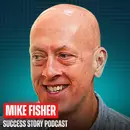
 Mike Fisher - MyFitnessPal CEO (200M+ Users) & Fmr Etsy CTO | The CEO of MyFitnessPal Says You're Thinking About Health All Wrong
➡️ Join 321,000 people who read my free weekly newsletter: https://newsletter.scottdclary.com
➡️ Like The Podcast? Leave A Rating: https://ratethispodcast.com/successstory
Mike Fisher is the CEO of MyFitnessPal, where he leads a platform serving more than 200 million users worldwide in their health and nutrition journeys. Before joining MyFitnessPal, he was CTO of Etsy, scaling the marketplace from $3 billion to $13 billion in annual sales while running an engineering organization of roughly 1,000 people. He co-wrote The Art of Scalability and Scalability Rules, the books much of the industry uses to think about growth. Known for challenging conventional thinking about health and wellness, Fisher champions a more holistic, sustainable approach to fitness that moves beyond restrictive dieting and quick fixes.
➡️ Show Links
https://www.linkedin.com/in/mike-fisher-3317a8/
➡️ Podcast Sponsors
Hubspot - https://hubspot.com/
Huel - https://huel.com/scott (Code: scott)
NetSuite - https://netsuite.com/scottclary/
Framer - https://framer.com/design (Code: SuccessStory)
LinkedIn Ads - https://linkedin.com/scottclary
Upwork - https://upwork.com/
Dell - https://dell.com/dell-pro
AutoPilot - https://www.joinautopilot.com/landing
Cohesity - https://www.cohesity.com/datacloud
Whatnot - https://www.whatnot.com/
Monarch - https://www.monarch.com/ (Code: success)
Cash App - https://cash.app/ (Code: cashapp10)
MyFitnessPal - https://podcasts.myfitnesspal.com (Code: SCOTT)
Scribe - https://scribe.how/success (Code: SuccessStory)
Odoo – https://www.odoo.com
➡️ Talking Points
00:00 – Intro
02:21 – From Scaling Etsy to Scaling Human Health
13:34 – Why Influencer Diets Fail You
17:22 – When More Health Data Makes You Worse
21:34 – Why You Can’t Outwork a Bad Diet
25:01 – The Military Feedback Loop for Better Health
26:58 – Sponsor Break
31:03 – Leadership Lessons From Flying Helicopters
42:30 – Why Mike Chose MyFitnessPal
45:08 – What 300 Million Users Reveal About Weight Loss
53:05 – Sponsor Break
56:05 – Why Health Fads Keep Failing You
1:00:00 – How Busy High Performers Stay Healthy
1:08:26 – What MyFitnessPal’s CEO Eats Every Day
1:14:38 – How to Find the Work You’re Built For
1:18:11 – Are Humans Actually Getting Healthier?
1:23:36 – Mike’s Advice to His Younger Self
You scaled Etsy from 3 billion to 13 billion. Now you're CEO of MyFitnessPal. Why health? MyFitnessPal has almost 300 million users. And the food database is almost 20 million items. For someone who loves scaling, that's attractive. Today's guest is Mike Fisher, CEO of MyFitnessPal and former CTO of Etsy. After helping scale Etsy into a multi-billion dollar company, he now leads one of the world's largest health and nutrition platforms, helping millions build healthier habits through technology and data. In this conversation, he shares how the same principles used to scale successful companies can also be applied to improving your health. Can you scale your health the same way you would a company? What are those things that you focus on in the human body that can actually bring you to a point where you're operating at your best? We think about your health with nutrition as a flywheel. There's three core pieces of it. Planning, tracking, insights. Too much information without context is also scary. Exactly. The number one question people are asking is, what do I eat tonight? What does this mean in the health context? The idea of building fast in the wrong direction. The most important thing is solving customer problems. You've really got to think about what is that goal? What are you trying to achieve? My fitness pal is a success story partner. Now here's something I've noticed after interviewing hundreds of founders, the ones that are performing at the highest level, the ones that are truly winning, they aren't just optimizing their business or their calendar or their team, they're paying attention to what they eat. And the ones who aren't paying attention, they're usually the first ones to burn out. And that pattern is consistent enough that it got me thinking about my own nutrition, Not whether I was eating well, but whether I actually knew what the big picture looked like. That's why I started using the MyFitnessPal app. I wanted to see what I was actually eating, not what I assumed I was eating, but the real numbers. What my protein intake looked like, what my macronutrient breakdown was, where my calories were actually going throughout the day. And the app gives you all of that. Now, what kept me using it is that there's zero friction. If I eat something, I scan the barcode, it pulls everything up. I can also verbally log what I eat. And it remembers my regular meals. So most days I'm logging my food in under a minute. See, food is a foundation for your energy, your sleep, your recovery, and your performance. It's not one of many inputs. It is the one input. So go to podcast.myfitnesspal.com and use code Scott. All uppercase for 15% off MyFitnessPal Premium. That's podcast.myfitnesspal.com, code Scott. So Mike, you are a West Point grad. You are an Army helicopter pilot, a PhD of seven patents. You literally wrote the book on how to scale companies. You scaled Etsy from $3 billion to $13 billion as CTO. And now you're CEO of MyFitnessPal. So the question is, why health? Why MyFitnessPal? So as you mentioned, I have a background in scaling companies. That was sort of what I did for many, many years. And MyFitnessPal has a massive number of customers and users, almost 300 million. So the scale that – and the food database is almost 20 million items. So the scale at MyFitnessPal is pretty massive. And so that's – for someone who loves scaling, that's attractive. But the other thing is more personal that – My family and I have used the app for many, many years. So we have type 1 diabetes in my family, which is insulin dependent. And so you really, when you eat and consume carbs, you need to know how much to bolus to cover those carbohydrates. And you want something that's very accurate and specific. And so that's why we found MyFitnessPal years and years ago as a resource to be able to log food and look up and make sure that the macros were accurate so that we knew exactly how much to bowl us. And so I've known the app and used it personally for many, many, many years. And so I could see how important it was to people on their health, whatever their health journey is, losing weight, gaining weight, just staying healthy. And so when I got a call, I said, like, I know the company, I know the brand. I really appreciate that. For me, that's what I've looked for a lot in companies is brands and missions that I love and could get behind and get excited about. And this was one of them. When you think about scaling systems, let's bring that to like the human body. The human body works like a system. So can you scale your health? Can you focus on certain points of optimization the same way you would a company? So for a company to be successful, there's certain things that you have to do in the right order to make sure that it grows, as you know, when you're bringing a company from three to 13 billion or from zero to 300 million. Um, what are those things that you focus on in the human body that like those key pieces of, of health and wellness that can actually bring you to a point where you're operating at your best? You have, uh, you know, God forbid you're, you're doing your best to, um, eat the right things. You don't have any sort of conditions or you're sort of dealing with the leading things that could eventually, uh, turn into some sort of disease in the future. Um, or you also just day-to-day are sharp, cognitively there, have good energy. Because that's, I think, what most people want. They don't want to have anything happen to them in the future. They don't want anything bad. But they also want to be present. They want to have the best energy and feel the best in the moment. Absolutely. And you're exactly right. Especially now, a lot of younger people are really thinking about longevity. Which, you know, to be quite honest, I did not when I was in my 20s, unfortunately. But like now people are thinking about, I want to be a grandparent and able to lift up my child, which is awesome that they're thinking about that because they're going to be so much healthier starting early. You're absolutely right. So I like frameworks. And when I think about scaling companies, my framework is amazing. people, process, and technology. And you think about those all interconnected. So the people are individuals as well as the org structure and having that right person in the right role and how do you develop them and how do you change your org structure? Process is obviously all of your processes for getting work done. It could be everything from the hiring process to the deployment of code. And then the technology could be both your internal tools that you use as well as the technology you're building for your customers. So when you're scaling a company, you have to be monitoring all three of those all the time. Because as the company grows, and like you said, it could be from literally zero to one or one to 100. Whatever you are in the scaling, you've got to change all of those appropriately. Take process, for example. If you have too much process too early, you have bureaucracy. If you have too little process too late, you have chaos. Think about hiring as just one example of this process where... When you're a five-person company, everybody can interview your next hire. When you're a 5,000-person company, that does not work. And everything in between, you have to change. Because at 5,000, you can't all interview, but you probably actually need a team of people who specialize in interviewing. So that's the way I think about scaling companies is this framework, people, process, and technology. And I think your health, I would argue, a very similar framework you could apply. You could probably apply a lot of them would be nutrition, activity, and recovery. Yeah. And you think about those of like, right, recoveries, your sleep, and how well you're recovering, whether you're doing, you know, heat or cold and this. We would argue for my fitness pal, nutrition is the center of everything. That is so key to get that right. And that's why it's important in this thing that just like people are so important in scaling a company, nutrition is critical. And I think what most people do is, like I did, just jump straight to activity. Because I had a similar story of, I was in a startup and, you know, too many pizzas and too many late nights and like just wasn't taking care of myself. And I realized one day, actually, I was going for a physical. And my physician said, you know, hey, you put on a few pounds. And I said, no, no, no. I'm the same weight I was in college. And she accurately pointed out that I probably had more muscle than I had. And so the weight wasn't the same and it got me started. And so I was right in the middle of the startup and we were trying to sell the company and it started me, but I started with running. I was a runner in high school. And so I started, I'm like, okay, I'll start running again. And then a couple of years into that, I realized that like, actually nutrition, I need to start with my nutrition. And so that's exactly right. As you scale or you're building your body and you're working it for longevity and mental clarity, I would argue that is, you need at least those three together and they all have to be working well together. If you can build a successful company, I mean, you can probably have a successful relationship. You can probably take care of your health properly. It's understanding sort of the order of operations of the most urgent, important things to achieve that objective. And if you can prioritize in one arena, then you can probably prioritize in other arenas as well. I think that too often, especially with this audience that listens to this show, we're so good at understanding how to scale a company. But then we, for some reason, think that health is this obscure, mysterious thing that we can't wrap our mind around. But it's really, it's very simple. It's like you focus on the most important things that drive the most meaningful results. And that's what you double down on. And then you, I mean, if we're going to use a health analogy, really, well, the thing that moves a needle in the company, you, you know, you, you do the thing that drives the revenue. Well, for your health, what's the, what's the food that makes you feel the best for? Or what's the diet that you can adhere to for the longest amount of time? There's so many silly but real analogies between the two. There's so many real analogies. You hit on one that's really interesting is about what works for you. Yes. The most important thing is what works for you. And we could talk about how important in today's world hyper-personalization is. Every one of us wants, we don't want generic feedback or, you know, we want it specifically for us. And that's where actually we're moving towards within MyFitnessPal. We have 21 years of data on, you know, 200 plus million people. And so being able to take that huge data set down and say, okay, I can find people similar to me, to Mike, of like what they, you know, in terms of age and what I'm trying to achieve and maybe health and stuff like that, that is super powerful. And that's what people want that. The other thing you're exactly right about, a lot of these similarities is kind of the principles of it. One of them that comes to my mind is leadership. And... transformation, that in a company, every company that continues to exist and surviving has to transform. Transformation could be in terms of employees, you're going from five to 50, or customers, you're going from 500 to 5,000. All of these require transformations. And in order to transform, you need leaders who have incredible willpower. Because- Just like your body, whether it's your nutrition or your exercise, you want to stay. It has inertia to stay, just like companies do in a process. Everybody comes in and they're just, this is how I do things. This is the process that I go by. And to change that so you can scale up your process or your org chart requires this transformation. And transformations require willpower from leaders. And I think the same thing with your health. So you're spot on about, there's so many similarities. Okay. So it's like the principles that invoke change. It's like the way that you look at a mission that you're trying to accomplish, right? So build a company, go on this health journey. It's like there are core principles. And also, I mean, like what you're talking about with leadership, the leadership required to move a company a certain direction, the leadership required. your own internal leadership required to move your health in a certain direction. It's never comfortable, but you get the tools and you get the knowledge and you get the insight and the know-how on how to do it, and it becomes a little bit easier. And that's a really good point about we think about your health with nutrition as a flywheel and that there's three core pieces of it. One is a little bit of planning. And we all plan what we want to eat. Even if you're literally planning by looking at the menu and kind of making a plan of what am I going to eat right now. Some people plan a full seven days and everything you're going to eat. And then there's the tracking. We think it's important that you are aware. Just tracking some of your food makes you more aware of what you're putting in your body. And then the key that you're talking about is insights, learning. You should take that. And that's what we take people from don't understand what a calorie or a macro is all the way up to people who are masters at this and are caring about micros and have real health concerns. But they know all the details. And so we've got to be able to handle that entire journey. But insights and knowledge, it's why we're pushing what we now have is our AI health coach. Because we want to be able to respond to you of like where you are in your health journey with nutrition and understanding. And some people it's very simple of like, explain to me why I need protein. And others are like, they're way, way beyond that. Bodybuilder proud does not need an explanation. They are so sophisticated with it, but they might have other questions. And so that is back to the hyper-personalization. But we believe this flywheel is really important because it helps keep people in the journey. The average health journey of an individual right now who does not have somebody who's fit in their circle of friends is to go online, is to find an influencer who's talking about health and wellness and to kind of follow their advice. And the issue with that is one person's perspective on diet and training, but mostly diet, it doesn't mean it's going to be right for you. And if you don't understand why this person online looks so great and is telling you to eat this thing, but you're doing it and you're not feeling great. you're going to give up basically. You're going to be, this is like a scam. I don't know why. Like I can't, I'm listening to this person who's saying do like keto, low carb, moderate carb, you know, vegan, paleo, like every single. And the issue with that is like, you don't understand how it's affecting you because you're not actually paying attention to what you're putting into your body. You're just listening to some, and there's a million different reasons why one diet could work for somebody and not for you. And then what happens if you don't, you know, luckily hit the right diet from some influencer online, you just feel like garbage and then you fall off and then you go back to where you were before and you never actually go on your health journey. So I think that the reason why personalization is so important outside of knowledge is that you can understand which diet works for you. The thing at the end of the day is most diets work if you adhere to them. And the metric for adherence is like, do I feel good? Like, am I crashing at four or do I have like energy through the day? Like these are. That is our firm belief that whatever works for you is the right thing. And you've got to – by tracking, you figure it out because, of course, like some food, you know, if it's – you're allergic to it, it could be instant. You feel bad or have a reaction. But most of it takes time, right? It takes time to digest and get your blood. And so you end up with like four hours later or six hours later or even maybe 12 hours later. And so by tracking, so sometimes it's hard to correlate. But when you write it down or track in the app, it gives you that ability to look back and go, oh, I felt bad at four in the afternoon. What did I have for lunch? What did I have for lunch in three days? But today I felt okay. What was different? That is it. You're right. It's so matters what is important for you that, you know, and what works for me might not work for you. Exactly. And I think that's where people get health wrong because nothing wrong with influence, but you got to be listening to the right person and that person online where most people get their health and wellness information. they don't know who you are. They don't know what foods make you feel good and what foods make you feel like garbage. You have to know that. You got to figure that out. Track it and just keep it, be aware of it. That just, and even the, you know, you also don't have to be 100%. You do not have to track every single item and weigh the food. If you want to, great. You don't have to though. We know that just generally being more aware of the foods you put in because the food, Yeah, not surprising. People don't want to even tell the app some of the bad foods they eat. They're like shamed? A little bit. They don't want to write down that I ate a donut or something, but it's okay. It is, and I will say it is okay. There's no bad food. It is what works for you. And of course, you probably shouldn't eat dozens and dozens every day, but it's okay. We have to, back to, we have to live. Yeah. You have to be able to make this maintainable and livable for your lifestyle. And if you can't go to a party and have a cupcake or occasionally or something, you're not going to do it. And doing it and realizing that it's okay to have these either days or these occasional meals, that's what keeps you on track. I also feel like the future of health is not only personalized, but giving me information to the person. Like I want the person to be more educated. I think that is truly the future of health, being able to like self-advocate for what works for you. I think it's very important. I think that going through life, you know, blind to the knowledge that could truly make you feel better and healthier, that's like, that's not a good place to be in. It's interesting. I think about a lot of things within kind of drawing parallels between like companies and health. A lot of things in companies are on a pendulum, like, for instance, centralized or decentralized org structures. Because, like, you'll shift to one and say, okay, we're going to, you know, usually things start with, like, centralized because, you know, someplace. And you're like, well, that's slowing our teams down. So we decentralize. We put all the resources out on the teams. And then we realize that there are no standard. And so we've got to recentralize. So you get this pendulum. I think the same thing you see in health tech right now. We have swung the pendulum to everyone's wearing devices. I'm wearing a device. You know, all these devices give us so much information. And people love that because it's really interesting to see, like, you know, my heart rate variability and stuff. But what you see us swinging back to is, okay, tell me what that means. Tell me. I don't have time to, like, research it and understand, like, the difference between, like, oh, my VOT max or my, you know, metabolic age or what this means. So now tell me. And so that's where we're moving towards is, okay, take all this information. You have it. But really try to distill it down to what does this mean for you? Because too much information without context is also scary because you hear the story of the person who gets a headache and then goes online and they feel like they're going to die in the next 24 hours. It's because there's no context for the information. And so I think we're seeing the swing. That's where we're headed is, okay, let's take all this information and help explain it. What... Within our AI nutrition coach, the number one question people are asking is, what do I eat tonight? What should I eat tonight? So I've got all this information. I've got all the calories and macros that I've eaten throughout the day. How do I finish my day to stay within my ranges? So people want to be told that. Take all the information. Help them. What does this mean in a health context, the idea of building fast in the wrong direction? How does that apply to how people approach their health? I would say on both of those, the most important thing is solving customer problems. Instead of just building something for the sake of building, you've really got to think about what is the customer problem? And I think the same thing in health, that you've got to really think about what is that goal? What are you trying to achieve? What is the problem you're trying to solve here? Is it body composition? Is it longevity? Is it combinations of these things? That's how we're thinking about tying this into hyper-personalization is there's so many And there's so many possible combinations that you can care about. I was thinking about this the other day, that if you just have 20 things, your age and your gender and maybe a goal, like I want to run my marathon or I want to lose 10 pounds. If you take just 20 of those, you end up with over a million combinations of these things that you could – As opposed to me, who's a 50-plus-year-old person who wants to be able to run ultramarathons, we've also got a 35-year-old woman who is interested in fertility. So all these combinations, there's so many different ways. So I think it can get overwhelming for people just like in business. Like, oh, I could build anything with AI now. You've got to build something that solves your customer's problem, most importantly. And on the health thing, the same thing. You've got to do something that is working towards your goals. And I think we believe that nutrition is that first thing that starts all of that. So many people, I mentioned I did this, you start with the activities. I want to start with going to yoga or running or lifting without cleaning up your sleep and nutrition. And you've got to do this. So I think the same thing. You've got to get to the core of it, and you've got to make sure you're solving the right problems. I guess a little bit of exposure to bodybuilding. One of the cliche sayings in bodybuilding is you can't outwork a bad diet. Abs start in the kitchen. Yeah, all of that. But it's so true. If you don't have your nutrition dialed in, nothing else matters. That's right. Yeah. I'm curious because you obviously speak to so many people that care about their health and wellness and they find MyFitnessPal at some point on their own journey. Why do you think that we default to like the activity or signing up for the new class or, you know, the 50-year-old guy who hasn't done a sport in forever and finally goes and, you know, tries to do this ridiculous marathon and, you know. probably is killing himself to try and get to the point where he can actually run it. Like, why do we do these crazy activities? Is it because we can, you know, feel good that we're saying we're signing up for something? Or is like a dopamine response to it? I think it's that feedback of the dopamine. I can run a mile and feel pretty good, right? I immediately get that like, oh, I feel that I did. I broke out in a sweat and I feel it. Nutrition has a little bit of a longer feedback cycle. You've got it right. So your body, you know, and I am not a medical doctor. We have a whole team that supports us from registered dietitians and a medical advisory board and so forth. And they help us. So take this as like, you know, Mike here talking about like our body wants to stay in homeostasis. We see this. And so as you change something, whether you're increasing calories to gain weight or dropping calories to lose weight, changing your macros, your body tends to resist that for a while. And it depends on your person. People I talk to just randomly say it's about seven to 10 days before all of a sudden your body goes, okay, I get what you're trying to do. I'll give it – We see this as ultra runners. People say like, you know, eventually when you do this like multi-day races, your body's like, okay, you're not going to stop. You're just going to keep running. So we're on this journey. We're okay with this now. We're okay with it, but it takes time. And I think your body just does that. And that's why I think it's so much easier to go out and lift, break out into a sweat or go to a class or do something because you get that dopamine immediately. And nutrition takes a little bit longer to get started. So actually, I think you get dopamine twice. You get the dopamine from signing up for the activity, which is, that's not even, you haven't even done anything yet. You just signed up for the thing and you get a dopamine hit from saying, I did something good. And then you get a second true dopamine hit from doing the activity because obviously when you do any sort of anything, so it feels good twice. You're absolutely right. In fact, there's research that around you're actually less likely to hit your goal when you tell people about your sign up because you get the dopamine already. And so you don't actually need to put the work in. So it's a little bit dangerous. I tend to try to keep my race schedule and stuff to myself because of that. I don't want... People will be like, oh, you did this race. No, no, no, I did not do that race yet. I signed up for it. But you're actually right. You get a dopamine just by signing up and maybe telling somebody about it. Another principle that you have when it comes to companies is pay attention to the vital few, ignore the trivial many. What are the vital few when it comes to health? I would say nutrition. Start with nutrition. That is most important. And then I do think activities and recovery. Those are the things that are most important. If you get those basics right, You're going to be good. So you're a military West Point grad. So you mentioned that, you know, you got into MyFitnessPal because you like scale and you've done incredible things over your career, but also the health aspect of it. What did you learn at West Point about health and wellness that now you're taking into your role as CEO of a nutrition health wellness company? Yeah. One of the things that West Point and the military in general is great about is developing leaders, of course. I mean, West Point is the premier leadership institution in the world. But they have a very simple process. Like, you know, there's a lot of complexities and nuances, but it's very simple in that there's a little bit of education, classroom, the theory behind, like, you know, these are principles that you should think about, how to take care of people and lead. And then it is practice. And the practice requires a feedback loop. And that is what the military in general is so good at, is putting people immediately into leadership positions and then giving you feedback. I joke that, you know, the military can't march across the road without doing an after-action review. But that is what makes them so good and why they get better and better and better. Everything they do, they sit down and say, what could we have done better? What do we do? And the same thing for leaders. You're constantly, whether you're in training, in your basic training or advanced training, or actually in your military unit, you have someone do this. And I think the same thing that's important with your nutrition and your health is having a feedback loop. So having something that continues to remind you of like, this is important, right? And this is why I think tracking, because then you can look back. If you don't track, you miss the feedback loop. And so your nutrition is so important, but it often takes maybe days or even weeks to sort of see that by having it written down and tracked, you can then go back and get that true feedback loop. I feel like it's hard to be successful at anything without measuring in feedback loops. Absolutely. Yeah. My fitness pal is a success story partner. On this show, I speak to tons of high performers and the people that sustain that high performance, not just sprint and crash and burn, but they actually sustain, they all treat nutrition like a system, not an afterthought. The same way they treat revenue or hiring or product, it is key to their business. They pay attention. They look at the data. And that really stuck with me. And it's how I started thinking about my own health and wellness and what I put into my own body, not in like a restrictive diet way, but in a data way. See, most people take a look at daily calorie total and they think they have the full picture. That's just one number. The MyFitnessPal app, Premium, it shows me macros. That means proteins, carbs, fats, broken down by meal. So I can see, am I getting enough protein at breakfast versus dinner? And it also shows me how my food is distributed across the day because, of course, I can take a look at my total calorie number, but to see everything broken down by meal, Those are two completely different things, even if your daily total looks fine and you're going to feel the difference. If you eat proper nutrition across your entire day and you track it, your energy is going to allow you to sustain that high performance. Also, the food analysis picks up trends over the week that I'd miss just going by feel. See, this information makes good food choices automatic. See, food is a foundation, right? Energy, focus, performance, recovery. It all starts with food. So do yourself a favor, go visit podcast.myfitnesspal.com and use code SCOTT, all uppercase letters, for 15% off MyFitnessPal premium. That's podcast.myfitnesspal.com, code SCOTT. NetSuite next is a success story partner. So they say that every day your business is late to using AI, you fall two days behind. and the competition is only moving faster. So how do you keep up? Well, fortunately, there is NetSuite next. Now you probably already know NetSuite. NetSuite is the AI powered business management suite. It's trusted by over 43,000 customers. It securely connects all of your data, financials, inventory, commerce, HR, CRM, into one single source of truth. but NetSuite Next is the next huge leap in how businesses get done because AI is built into everything you do. So NetSuite Next automatically shows you all these custom insights for your business throughout your day. You'll have AI agents work alongside you to solve problems and handle routine work. And anytime you have a question about anything in your business, you just ask like you're having a conversation with a colleague and NetSuite Next will give you an answer. NetSuite is customized for a wide range of industries, so it supports the way that your business truly works. Whether your company earns millions or hundreds of millions, it's time for NetSuite Next, where your business meets AI. If I needed a solution like this, it's what I'd use. For the first time ever, you can try NetSuite Next for free. If your revenues are at least in these seven figures, go to netsuite.ai.com. It's built for every industry. It's ready for every boardroom. NetSuite.ai slash Scott Clary. Monarch is a success story partner. Now, quick question. Do you know where your money went last month? Not roughly, but exactly. And most people don't. And I didn't for years. And that is most of our money stories, right? When we first start our career, we have one income and one account. And you can kind of wing it. But once you're running businesses, once you're investing, once you're carrying 50 different subscriptions that you stop paying attention to, winging it gets super expensive. Right? Monarch fixed that for me. It is the personal finance app that tracks everything. So that means accounts, investments, savings goals, spending all on one screen. The first week I had it, it fired recurring charges I'd been paying for months without realizing. And every single week, the AI recap tells me if spending spiked, if my net worth moved and what bills are coming. And I can just ask it, hey, can I afford this trip without touching my savings? And I can get a real answer based on my actual numbers. It is a financial advisor in your pocket. It costs less than an hour with a real one. So write your own money story with Monarch. Use code success at monarch.com and get your first year of Monarch core half off at just $50. That's 50% off your first year at monarch.com with code success. What are some of the things that you learned when you were a pilot, when you were training to be a pilot that you feel like those were the most useful principles and mental models that you take into running a company? I think there's two things that come to mind. One is when you're flying, especially if you're flying on instruments, so you're in the clouds and you're using your instruments to fly, you're not looking outside, is your cross check. So you're constantly scanning all of your instruments. And if you get obsessed with one instrument, you could get in trouble because something else might be going wrong. And so they teach you to really keep moving. And I think in business and both in your health, if you get obsessed with one thing, right, whether it's the number on the scale or, you know, or my macro or my fiber or something, or in business, I only think about one thing and don't think about, you can get in trouble. And so I think the cross-check plays across those ideas of that's what they teach pilots. The other thing is, in an emergency, and we just talked about the vital few, but in an emergency, most important thing is fly the aircraft. Fly the aircraft. worry about what you're doing there, do the emergency procedures, and then communicate. And there's a, communication is important, but it's at the end of that because you can fly the aircraft first and foremost. And that's the same thing with like, when you're trying to get down to, whether it's running a business or your health, fly the aircraft first. Make sure you've got the basics. And for me, I think that in health, it's a lot of nutrition. Like, fly the aircraft, get the nutrition right. In business, same thing. Like, what's the most important thing? I argue is take care of your customers. The most important thing is focus on your customers. I really believe if you solve the customer problems, if you take care of the customers, everything else works. And ultimately, you want to scan and keep looking at your revenue and your cost and everything. But most importantly... When it really comes down to it, take care of your customers. I think that most people do one or the other, but not both. So they either only focus on one thing and they forget everything else, the other things that, let that one thing be successful, or they focus on all the small little things and forget the most important thing. So how do you balance that? How do you balance the going after the North Star in your business and your health, which would be flying the helicopter, the plane or whatever, that's the North Star. Can't stop flying. But at the same time, you have to focus on all the other smaller things that are supporting the main thing. And I guess the issue with business and health is it's a little bit easier to forget to fly because you don't crash. Right. Nothing bad immediately happens if you forget the main thing and you just get distracted by all the other smaller things. This is where the nuance of this comes in, that I'm a big believer in focus. I had a previous boss at Etsy who said, like, the focus, keep the main thing the main thing, right? And kept the focus is so important. And I saw at Etsy how important that was. But it all depends on the timing of where you are in the business. Same thing with an aircraft. If you're in a crisis and you've got an emergency, the only thing you focus on first is fly aircraft. You can't worry about, but if you're in a normal flying straight level and everything, you should be cross-term. You got to be paying attention to more things. And then, so I think it depends, same thing with the business or health. If you're in a crisis with your health, you can only focus on one thing. Focus on the nutrition, get that right. If you are generally healthy and you're on this journey- You've got your nutrition dialed in. Right. Then you can start looking at these other things. The same thing with business. If you solve your customer problem, you found that product market fit because I know I'm solving a customer problem, then I can start thinking about how do I expand? How do I do other things? So I think it depends on where you are in all these. And if there comes a crisis in any of these, you've got to narrow your focus back down. And we do. We go through this both in our health and our business of things are okay and we can broaden our perceptions a little bit and then there might come a time where things aren't and we've got to focus near our town. The true macro skill is knowing what stage you're at. Because you're exactly right. If you get it backwards and you're in a crisis and you're looking at 50 things, you're in trouble. And the same thing, if things are going well and you're only staring at one thing, then you're not... Military is also built on discipline and routine, obviously. Health is built on discipline and routine. So what are the parallels? What did you learn when you were in the military about discipline and routine that sort of helps somebody on their health journey? I think most people think of discipline and routine in the military of you get up every morning at 530 and go run, you do PT. And that is true. And that helps to carry over into our civilian lives and keeping up fitness. But the other thing that we talked a little bit about this that the military was so disciplined about was the feedback. That is a skill to like make sure when you sit down after something and it could be even this podcast, I will sit down for a few minutes and think about how did I do? Did I prepare enough? Because that even, you know, I'm not going to go too crazy on myself. Hopefully like. No, you're good. Yeah. But I want to improve. That discipline of take a breath, take a pause and say, did I prepare enough? Did I give enough guidance to my team in their preparation documents for me? Did I take a breath? That is discipline. And that will serve you so well in anything you do, whether it's a business or leadership or even family. Like, do you ever sit down and think like, A little after action on whether it was a date night or something like, did I put enough effort? Did I think about it? Was it too distracting my phone? Just take a pause to think. Okay, you have to beat yourself up. The nutrition is the same thing. Track it, and you take a pause and say, how did I do? Don't beat yourself up, but learn from it. That's the important thing is, you know, and I love Etsy for so many reasons, but one of the things that they really, really get right is the blameless postmortem. So something goes wrong, which it invariably does. Like, something is going to go wrong because someone was surprised by something. I didn't know when I pushed this piece of code that it was going to do this. I didn't know that when I made this change. don't blame yourself, but learn from it. And that's why we call them the blameless postmortems of like nobody's to blame because nobody is trying to mess up, right? I really believe that nobody comes to work and says, today I'm going to screw this up. Nobody goes on their diet and says, today I'm going to really mess up my diet. Like, you know, or I'm not going to eat well. I'm not going to exercise. I'm not going to mess up my diet. So give yourself a little grace, but learn from it and say, okay, what triggered me? What, was I too tired? And therefore, I didn't get enough sleep. So then I ate poorly or I ate poorly and I didn't have a good run. Because, you know, all of this is so tied together. Do a little postmortem or after action or learn from that. And that's the discipline, I think, that comes from the military that is really valuable. In your opinion, why is routine so important? I have my own thoughts on why motivation actually is not useful at all. I think routine is what's the most important. But I'm curious to hear how you see it because you come from military, which is… I do think whether that routine is practicing emergency procedures in the aircraft or that get up daily and I do my PT and I eat at these times, all of that makes it easy for being on autopilot. So whether you're in an emergency, you've got so much stress going on, and you know, I do this emergency procedure, these five steps, I always do that. And therefore, you know, I pull out my checklist, I follow that, and I know how to do it. It makes it routine, easy, no decisions, or when I'm tired. And, you know, one of our big challenges is we know that as you go out the day that you've made so many decisions in your life that you just get decision fatigue. And we see this all the time. This is why people mostly at the end of the day are like, just tell me what to eat. I don't even want to decide what to eat. And so that is why routine is super helpful because it helps you take away. It's why, you know, some, especially in tech, wear the same thing every day. I don't have to think about it. So I've got my – that way I don't have to worry about whether it's my black T-shirt or my jeans or whatever. Like – It just takes a decision away. So I can focus my energy on those harder to make decisions. So I think a lot of routine helps you with decision fatigue. I think the routine is probably the most important thing. And routine isn't just what you decide you're going to do day in, day out. I think it's also architecting an environment that supports that routine. I think that's huge. Like when I think about a health journey, I see sort of two main things that are going to impact your health journey the most. It's going to be the food you keep in your house and also the tools that help you, like MyFitnessPal that will help you understand what you're eating and how it affects you. And if you and I mean, like outside of like getting a gym membership at a gym that's like close by or something like that and not getting a gym membership at a gym that's an hour and a half dry, like you architect an environment that supports the goals and makes the routine easier. And then the default action is in support of that goal that you want to achieve versus motivation, which is January 1st. I want to go on a health journey. I want to lose some weight. I haven't thrown out all the junk in my house. I don't know anything about macros or calories. My gym is an hour away and it's way too expensive, but I'm going to go. And then we all know the story and nobody goes January 2nd. I forget the day, but it's like probably less than 10 days, 15 days into the year. We have National Quitters Day. Because by that point, we're done. And I totally agree. It's why they tell you, if you're just starting out, put your shoes by your bed. So that you put your running shoes by your bed. So when you get up, you get them on. You're like, OK, I got my trainers on. I got my tennis shoes on. I'm ready. I'll get my cup of coffee or my drink of water, and I'm out the door. The routine makes it so much. I don't have to think about it. I agree with you. And this is why just getting up and getting out for me, at least for running, you know, is, is really, really important. It makes it easy. What's the, I think it's like a Mel Robbins idea. Like if you want to do something, just do it within whatever three seconds or five seconds, because if you don't do it like, like that, then you're going to convince yourself that there's another thing you got to take on. So if you want to go for a run, Like have your shorts and your shirt and your shoes beside your bed. And the second you wake up, go to the bathroom and then put your stuff on and get out the door. Get out the door is the hardest part. If you can set up your environment so that, you know, you don't make any other decisions because you don't have to make a decision about it because it's already there in front of you. Yes. And you just do it. That's right. Yeah, because you could easily get into your email or something like, oh, I got to skip my workout today because I've got all these things to respond to. But you make it easy, you make it simple. And you're spot on about the food. Like, it's, you know, if you don't have it in your house, it's so much harder to eat it. GE, PayPal, and then Etsy, obviously. I mean, these are, like, enormous companies. These are not small. These are companies people know the names of. When you saw the opportunity at MyFitnessPal What drew you into that? Because CTO of Etsy is like, that's a big deal. I mean, PayPal and the startup that was a part, you have a good track record. So at that point in your career, you can probably choose quite a few options. I would make an assumption that there's a few different things that you could have gone into. So what was it about MyFitnessPal? I've had an incredibly successful career. Very, very fortunate. I've worked with amazing, amazing people. And I've just been fortunate in that respect. And it's turned out really well. I think one of the things that's really, really important is that you pick the right industry at the right time. There's a timing. Warren Buffett said this, that, you know, When a company in an industry has a poor reputation, meets a management team that has a great reputation, the reputation of the company stays intact. that you can't, even if you're an amazing management team and you're in the wrong industry at the wrong time, you're not going to be, you're not going to do well. And I think, you know, with what we have the focus, especially as I was joining my fitness pal, GLP ones were really coming out and becoming popular. That gave a huge amount of focus and just in the headlines. And even if people weren't taking them, they were starting to become more and more aware of, Of all of these, the longevity, all of these things are kind of coming to a head right now with all the data that we have, all of the insights that we can generate from AI, all of the medications that are working for some people who just struggle with the food noise and so forth. And so when I looked across, you know, all of the opportunities, I said, this is an industry that's really interesting. And so I think that to me was one. And I just generally love being in service of other people, right? Whether my time in the military, the reason I loved Etsy so much was they help creative entrepreneurs. I'm like, what a wonderful mission to go to work every day and help an entrepreneur in, you know, Illinois or Turkey or wherever they are to find their fans. Right? And like, that's what Etsy does every day. So I love that. And my fitness pal, of course, we serve millions of people every day, get a little bit healthier. Like, what a great mission. So I love the mission. It's in a great industry right now that's got a ton of focus, a ton of interest. I understand. I think that people have been more concerned than ever about their health since COVID. I think that, I think that people are really understanding that if they, if they want to live a good life, not just a long life, but a good life. And there is a big difference between the two. Cause unfortunately we've all had a friend or a family that is a little bit older, but they don't have the best life anymore because of health conditions. They have to start younger. They have to take care of their health now because you don't, God forbid, want to live to 100, 120 if you're not in good health. So I think that's where it starts. So the fact that MyFitnessPal has been around for 21 years, you have the data of, I think, over 200 million, probably more now people that can really help you understand how people should eat, how people should, you know, what foods they should focus on, all this stuff. But I'm curious, not only obviously it makes it, you know, it's good that somebody who's had a lot of experience scaling companies now stepping into a company that could do a lot of good for a lot of people. So that's huge. And I understand the alignment. But what did you learn about people after getting all of this data from them? What are some surprising things? Because I think you probably have more health data than most companies. What are some surprising things that you discovered about people's health and wellness and nutrition? It is everything from how many days you need to log in the beginning to be successful to if you let a bad day kind of break your trend, what that does to you. So there's all types of behavioral data that we have. And that way we know as we build our product that we can guide you. So we know if you put a half a pound above or below our window, we know you're going to be less likely. In your goal. So if you're like, yeah, I want to lose. Explain, explain this. Yeah. So if we know we can, you know, we have curves that show what window of a goal weight, either gaining or losing per week, people will be successful within. And we know that if you just bump your goal weight too aggressively up or below that, you're not going to be as successful. So we know this stuff and we can then guide people. That is what the power of millions and millions of people worth of behavioral data through has shown us, that I can guide you on to pick it the right weight. And so if you might pick maybe some competitors or watch an influencer, like you're going to lose five pounds a week with me or something, we know you're very, very unlikely to succeed on that plan. Really? Absolutely. So if you set the wrong goal weight, then psychologically you're going to fall off if you don't hit that? The goal weight of how much you want to lose per week or gain per week. Yes. Not your final goal weight, but how aggressive you are in trying to gain or lose weight. Absolutely matters to whether you're being successful or not. So we know so much about this. We know, again, there's all these different diets. And you said this exactly. You can be successful in any of them. You want to be vegetarian. You want to be paleo. You want to be keto. You want to be intermittent fasting. We got you because all of them can work for the right person. It's got to be the right person. So we know so much about this. And as I mentioned, now we're getting into this hyper-personalization. Where you really get into, what if I'm a woman heading into menopause? And what worked for me when I was 35 isn't working for me now? So what might work for me? I now have a huge database of what works for women as they age and or works for men as they are trying to get, you know, from that, maybe the 30s where they, you know, they let themselves go. Like all of this is data that we help both on the behavioral side and the guidance side. It is a massive amount of data that really is driving this hyper-personalization. What was the one piece of data that surprised you the most when it comes to people accomplishing their goals successfully? Yeah. I think, as someone who tries to be pretty precise in whether I'm logging my runs or planning, that the precision isn't enough. You don't have to be 100% precise. I would have thought that the more precise you were, that it actually turns out that that often drives people to stop because it's too much. And that, to me, was pretty surprising. I would think like, oh, literally, it should be a linear line of like, oh, if you track the most and the most accurate, you stay on it the most. It's not that true. We know that consistency beats perfection. So even if you log one meal a day, but you're consistent, you do it every day of the week, that beats logging every single day on Monday. Because what we see is people by Wednesday are like, I'm tired. I'm logging... I can't even enjoy anything without having to either take a picture or voice log it or look up the database. And it gets tiresome. And so this is surprising to me. I would have thought that the exact opposite was true. I know also that like you do a really good job of making it super easy to log everything. So it's, it's actually quite frictionless, but the, so giving yourself like a little bit of grace and leniency is actually what creates a habit that you can continue to do. Absolutely. Absolutely. The people that actually lose the weight and they keep it off, what do they do differently? Consistency is the key. I mean, you said it like the routine, the consistency. You build these habits in the system around you that supports it. And it could be support for people around you. It could be how you shop in the grocery store so that you have the right foods. You know, people are like, don't go to the grocery store hungry. Right? Small things like that that, like, you just build up. What works for you? What works for, you know, someone else? You build those habits. You build that consistency. You build that tracking. Like, oh, I'm going to make sure I track this way. consistency keeps it off. It helps you lose or gain the weight, whatever you want to do, and helps you lose it or maintain that. And when do most people quit on their weight loss or health journey? often very soon. We see that in January, we see people dropping off almost immediately. So if you come in too intense or you don't have that sort of, you don't give yourself a bit of grace, it can be overwhelming and you drop off. Either from the, if you're starting from really a point of like, I know nothing about nutrition, it can be overwhelming. It's like, I got to think about a micro and a macro and like, what are all these things? So that's going to be overwhelming. Or again, I got to like every single thing all day. Like I can't that overwhelming. So like give yourself a grace, get into it, step into it, learn a little bit. And, uh, and that's, that's the way that people do it. Calorie counting. Um, is this the best approach to, to accomplish a, a, a health goal? The best approach is what works for you. If you like keeping a strict number of calories, we will tell you how many calories you should eat. If that doesn't work for you and the macros are the way you find it, like, so let's focus on your protein, your fiber, or that's the way to do it. If you want to focus on intermittent fasting, I want to fast for 18 hours a day and then eat for my period of time. That's fine, too. Whatever works for you is the most important. That's the answer, totally. What does the data say about how people actually eat versus what they think they eat? Most people are very consistent. They eat the same sort of 20 things. So even though we have a massive database and it's used all the way around the world for their local foods, most people eat a very small variety of foods. So as you start tracking, you'll start seeing that of like, and we allow that, like, I have a, basically a breakfast when I'm home set up as a meal. And so I literally log it with a touch of a button because I eat the same thing every single morning at home. And I think a lot of us do that. Huel is a success story partner. No. I'll be honest with you. I am terrible at eating well when my schedule gets packed. I'll look up. It's 2 in the afternoon. I haven't even had a real meal. And then I'm just useless for the rest of the day because I'm hitting a wall. So I started keeping Huel around. It's been an absolute game changer. They just launched into Target stores nationwide, which is huge. You can walk right into your local Target right now. Grab the Black Edition ready to drink and the Daily Greens ready to drink. The black edition, this is a full meal, 35 grams of protein, 27 essential vitamins and minerals, no artificial sweeteners, gluten-free, and it's under five bucks. I grab one of these in between recordings, done, I'm good for two hours. And the Daily Greens is more of a health thing. 42 vitamins, minerals, and superfoods in one bottle. It's developed by a registered nutritionist, 25 calories, four grams of fiber, and one gram of sugar. I'll have one first thing in the morning. It's the easiest win of my day. Now, 15% off for new customers. Use my code Scott at Huel.com slash Scott and do the post checkout survey. It helps to show. Go to Huel.com slash Scott, code Scott. HubSpot is a success story partner. Now, customers are using traditional search less and less to find the businesses they want to buy from. Now, when a buyer or a customer asks AI for a solution like yours, does your business come up? They're looking for a product. They're looking for a service and they're going into some AI chat tool and they're saying, hey, help me find the best one. If your company isn't showing up, you're missing out. And most companies have no idea if their business is showing up or even how to show up. And by the time they figure it out, they've already lost a deal to somebody that figured out AI. This is what AEO is. Answer Engine Optimization. HubSpot AEO helps you show up in those moments with the right answers, that your buyers and your customers are looking for. It could be before the first click, before the first form fill. That's the moment HubSpot AEO is built for. So check out HubSpot.com to learn more about AEO. HubSpot is the agent to customer platform for growing businesses. Odoo is a success story partner. And remember that is pronounced O-Doo. Now I wanna tell you something that happened to me recently that I think a lot of you will relate to. I was trying to send a quote to a client and this should be simple, right? Except the pricing was in one tool and the contact info was in another tool and the last conversation that we had was in a third tool. And then I spent something like 20 minutes pulling it all together for one quote. And that's the thing, each tool works fine on its own The problem is that they don't talk to each other. So you become the person connecting everything. You become the integration. You're the one copying numbers between tabs and making sure everything matches. But that's what Odoo fixes. It puts everything on one platform. So I'm talking accounting, invoicing, CRM, inventory, HR, project management, your website, e-commerce, e-signatures, over 45 apps, all connected. When something happens in one place, every other place already knows about it. So you're not updating three systems every time you close a deal. And the pricing is the part that surprised me. The first app is free for life. Unlimited users. Hosting included. One subscription after that unlocks everything else. So if you're spending your time connecting tools instead of actually doing the work you have to do, go check it out. Links in the show notes. I think also... What this actually means is for somebody who's just starting out and they're trying to get healthier, it may seem overwhelming to start paying attention to everything. But when you break down most people's day-to-day behavior, we are not that complex. We're really not. Like we have routines and schedules and foods that we like and places that we go like more often than not that are all part of our day-to-day routine. And I think that if you are starting to change your life in a meaningful way and you want to eat certain things and go work out a little bit more, it shouldn't be overwhelming because it's not it's not that disruptive. Like it's like if you have if you have you have the data to show that most people have like 20. ish meals that they eat regularly it's like you're not that complex it's it's actually quite simple if you pay attention to it it is and i think it's built into us as humans you said this about the power of routines and you know and keeping that but i think that is what is comfortable for us because you know i think about our minds as predicting machines that you know We're predicting when you walk into the room, I don't know if you ever walked into a room and all of a sudden you notice something's out of whack. Something's not right. But you don't know what it is first. And then you got to kind of scan like, oh, that chair got moved. Because your mind is predicting like what the room should look like when you walk in. And if it looks that way, you don't have to put any effort into it. It's just, it goes. And that's the routine. Just the same thing over and over. Small changes and you get that in your routine. It just works because then it's just, it's what I expect. So you have data on 280 million users. I'm curious what that has taught you about human behavior when it comes to health, wellness, just how we function. I think there's a couple of things that one, that consistency is what leads to success. I think that we're not that complex that we eat. You know, we all eat kind of our 20, 30, 30 meals. Those are two things that I think you can get way too much precision and push yourself so that just consistency beats perfection all the time. You know, I think the other interesting thing around this food or this corpus of data is just the how many varieties of humans we have. And like you're, again, back to like my goals as a 50-year-old endurance athlete is different than a 21-year-old college athlete. And we need to have different approaches. And the final thing I'll say, you know, that leads to hyper-personalization is the novelty effect. Yeah. that this industry, if plagued by anything, is plagued by a novelty. And you see this with diets, that today you probably, if you talked keto, you probably couldn't get a lot of takers because that was 20 years ago or whatever came out. But like, oh, if you talk maybe paleo today, like, oh, that's, you know, whatever the sort of, the fads are massive in this space. And I think it's because people fail so often. They really try something. They try maybe too intensely. They don't have the right support. They don't have the right information. They don't have the right behaviors. And so they fail so often that they're always jumping to the new thing. And I think that is interesting and also a challenge for us because to think, okay, how do we sort of both work with that? Because we know that exists. We know this novelty effect exists, but also make sure people understand that like the next new thing isn't, like what works for you is the most important. It's not the next new thing that works. It's the thing that works for you. And it might be something that's been around for a long time. It might be something very simple. That's the other interesting thing with all this data is people jump to the next new thing a lot. Okay, I wanna talk about sort of health and wellness and nutrition for people that are high performers, always building, always on the go. So you're in good shape, you do ultra marathons. You were also CTO of Etsy, thousands of engineers that worked for you, $13 billion company. So you were the avatar for corporate executive that I'm sure a lot of your peers probably weren't in the best health and didn't eat the best food, but you maintained good health, good food, good nutrition. So for somebody who is ambitious in their career, working a ton, entrepreneur working a ton, how do you find the time to be healthy? Yeah. And I do think whether you're an entrepreneur or a corporate executive, life gets, especially if you have family, life gets really, really busy. So not to say, oh, it's just easy. Just do it. But I do think it's really important. You will show up better, whether it's your startup or your corporate job or your family, if you're in better shape. and you're healthier. So I do think it's really important that you do. And again, start small, fix your nutrition, then fix your activity and your recovery. So small changes, small changes. And it can be, even if you're so sedentary, do a walking meeting. Do a walking one-on-one, right? Take a call. Because I run really long distances fairly slowly, I can take phone calls when I run. I will talk to people on the weekends for an hour while I'm running just to catch up with them. Like it's – I listen to a ton of podcasts, of course, because, you know, it's great. So I'm learning. But I also take – so whether I'm learning, I just multitask when I'm doing these activities. Yeah. And if you're doing something really intense, whether it's like sprints or something, obviously you're not doing it. But take a walk. Talk to people. Do your one-on-ones walking. Listen to stuff while you're walking so you're learning. Try to do stuff like that. And you've got to do it. It really, really matters. I think that I want to get your advice for sort of – for two groups of people. The first, the first person listening to this is a little bit younger and they're just starting in their career or their business. And they're saying, I have no time for that. I want, I want to hear your advice to that person. And then I also want to hear your advice to the executive who's later on in their career, who has not done anything for the past 20 plus years. So two different people. One of them is not understanding the importance of it because they're young and they're just starting out and they think, and I've heard that I've literally heard this from people, my friends that say, I will worry about my health later. I'm in build mode right now. I've heard this quite often. But then the second person I just described, that older executive, that they're stressed out. They don't want to die young. They don't want to have a heart attack at 55, 60, 65. And they have no idea where to start. And they're like, I wish I could go back to that younger version of me and tell them to pay attention. But you can't. So what's your advice to both of those people? I think to that young entrepreneur who says, I'm in build mode. I got to be working all this time. You will show up better for that job, build better if you take that small amount of time for yourself. And it doesn't have to be a huge amount of time, right? One, a little bit of focus on nutrition, that does not take a lot of time. And a little bit of time for that activity, 30 hour a day. you've still got 23 hours a day, right? You've got time. You will work better. You will, this is, you know, everybody says this, so it's kind of cliche, like it's a marathon, not a sprint. You know, what is the average overnight success company take like seven years? So you think you're going to sprint this, you know, two years, and hopefully you all do that are listening, but you need to be prepared for a long, long, steady march. When you do that, you've got to take care of yourself. Be ready for that. And so I think even if you will show up better, you'll do better work, you'll think better. Getting out of your space, whether you're in an office or a cubicle or behind a desk, whatever, get out. I mean, how many of us have solved problems in the shower where we're not thinking about stuff or in the middle of the night you kind of wake up with an idea? I do this all the time on runs. I just let my mind wander because I'm thinking about a bunch of stuff and all of a sudden an idea will pop my mind. And I would have never had that, not gone out and taken that run during the day. So I think that's for those entrepreneurs. It's a performance enhancer. It's a performance enhancer. Absolutely. And then on the executives, you got to start. You wish you could go back. What's the saying that the best time to plant a tree is 20 years ago, the second best is today? The same thing. I wish you had started earlier as well, but go back. Or you can't go back, and so start today. Yeah. And again, start with small stuff. The small changes over time really matter. And so that's what I'd say to those. What would be the simplest thing that a busy CEO could do this week to start taking control of their health? Since we're focused on nutrition, I literally would say, just track your nutrition. Just pay attention to what you eat. You'll be surprised at what it'll make you think about what you're going to order for the next meal. That's all that matters, that tiny little piece of thought. There's a quote that I really like from Jim Rohn. He says, take care of your body. It's the only place you have to live. Why do so many people treat food their body, which is the only place they have to live, like a rental. I think we, especially as we're younger, we all think we're invincible. And as you get older, you realize you're not, and then it's maybe a little bit late. I think it's also so easy to get overwhelmed by all this other stuff. Back to like the aircraft, you know, when there's an emergency, there are alarms going off, and there are lights flashing at you, and you might even have people screaming in your ears about certain things. And like, you got to focus. So like that is life sometimes. Like you've got your kids, you know, who are maybe yelling at you or a boss who's demanding something. You've got clients who, you know, who want something yesterday. Again, you got to figure out how to like when that's happening to narrow your focus down and say, okay, what matters most? If you're not around, that doesn't help your family. If you're not around, it doesn't help your company, right? It doesn't help your customers. Like you've got to not only be around, but you've got to be performing well. And if you're just around, you're barely surviving because you're a zombie, because you don't have your proper nutrition, you're falling asleep in the client meetings because you didn't need the right lunch or something like that doesn't help either. I would actually, you know, that analogy of when everything is distracting you and someone's screaming in your ear and all the alarms are going off and you still have to focus on the main thing. even reinterpreting that analogy, whereas in your life, if your health is off, sometimes there are no alarms and people screaming in your ear till it's really too late. So that's the biggest, the issue in life sometimes is there are no alarms. Like we don't even know when our health is deteriorating because we're so distracted with the thing we perceive as the most important. If I use my other analogy about the cross check, you're focused on one dial. I'm focused on building. That's all I care about right now. And all your other dials are slowly going off. And all of a sudden, you're like, oh, I missed that my temperature gauge here is climbing. So, yeah, I mean, I love these analogies too. And like, you know, so much of it's applicable. Yeah, you can focus on two things narrowly. You can, nothing alarms until it's really late. It's like preventative maintenance on aircraft and stuff, on cars. You don't want to be broken down on the side of the road. You don't want to be on an aircraft that has an issue. That's why we spend so much time on that preventative maintenance. But yet we ignore it for our bodies so much. And we really, you're right, a lot of things happen inside that you don't really know until it's way too late. So what does the CEO of MyFitnessPal actually eat on a day-to-day? I'm very consistent. As I mentioned, I have my same breakfast. And you track all your food? I do. I track. I am also not obsessive. I have had 400-plus day streaks, but occasionally I will break a streak or something, certainly busy travel days and stuff, or maybe even a vacation. So I do get on streaks, which I think that consistency is important. I have my meals. So I have certain types of lunches that I can literally just hit and say, oh, I'm having my turkey for lunch today or my salad. So I can choose those. That all makes it super easy. But I absolutely use the product all the time. I try to most people get this back to the routine and habits. Most people, they set it up and they just log the same thing every day because I want to use the app. I try all the different modes. So what do you eat in a day-to-day that's like your health and wellness dialed in in a best-case scenario? A lot of my go-to are eggs. I do eggs in the morning. That's kind of a go-to. Oftentimes, especially a lot of times I might skip lunch. I'll do like a breakfast and dinner or I'll do – so I often do this or do skip breakfast and do a lunch and dinner. So sometimes – Is there a rationale? No. I find, and again, this is so personal, I find I don't need a ton of food, which also blows a lot of my running friends' minds because I can go hours and hours without eating and most runners cannot. And so my body, for whatever reason, is kind of built that way. And so I find the same thing that like, if I eat a breakfast, I'm pretty good. I keep my energy up all throughout the day. And then by dinner time, I'm ready again, or I'll skip breakfast because I'm just not hungry in the morning. And then I'll eat, you know, sort of protein for me is important. So again, like one, because I exercise a ton, but I need a lot of that protein. So I'm focused on that eggs or turkeys or fish. And usually that's what we do for dinners, like a turkey or a fish or something. We'll occasionally do a bit of red meat, but a lot of that proteins come from, you know, some of the leaner cuts. And, but the protein is really, really important for me. and the way that you structure your diet you don't feel like you're crashing through the day I don't that to me is the biggest indicator that my diet's off if I'm like 4 o'clock I'm falling asleep, I'm like this is not That's right. And I know a lot of people, when they don't eat lunch, they get really tired in the afternoon. Or if they eat too, especially like too high a carb lunch or something, they get tired in the afternoon. And so I generally don't find that with my meals that I've got kind of planned out. And again, sometimes if I'm not hungry in the morning, then I'll kind of skip that meal. I listen, I really listen to my body. So like I, the same thing, if I'm hungry, I'll eat. And when I'm not hungry, I don't eat. I just, I really, I find I'm, I personally am very in tune with my body. When I'm running and like I'm feeling something like, oh, then I'll go get checked out. You know, I've got people that, you know, professionals that help me with like, oh, I'm feeling a little bit tight or sore here. Or just I know I need to stretch a bit more that night. Back to my feedback loop, I kind of live my feedback loop. I'm always, in fact, that's what they teach ultra runners of like, go through a check as you're running. You know, like, how are my toes feeling? Because if you get a blister on mile 10 of a 100 mile race, you're in trouble. So you start, you just go through and you're starting. You can feel the warning signs. Oh, do I have a hotspot? No, I'm all right. I'm good. All right. How am I knees doing? Is my gait doing okay? My back? Is it tight? No, I'm all right. So like you just get this feedback. And I do the same thing with nutrition. Like, you know, if I'm hungry, I find myself a little bit down, then I'll grab, you know, maybe a snack or something. Again, I'm very focused on a lot of protein. So I do like, if I am hungry in the afternoon, I might do some nuts or something, grab a handful. I think that also what, what, you know, starting to learn about what you eat and how it affects you does is it creates pattern recognition. So I feel the same way. Like when I pay attention to my health now for years on end, I can tell when I'm getting a little bit sick, probably sooner than most other people can. I can tell when something's off in the gym. I can tell when I haven't eaten enough, or I can even probably tell to a degree, which macros I'm lacking in based on how I feel. Like I can, I can really, really, really tell. I can tell when my blood glucose is dropping a tiny bit. And it's because if you pay attention to it, you start to develop that pattern recognition for how certain things affect your body. And for me, actually, it's just made life way less stressful. Because if I feel a certain way, I'm like, you know what? I'm not going to feel great tomorrow. Better take some vitamin C and rest up today. I feel something coming. Or it's like, oh, you know, I'm feeling a little bit tired. It's probably because I didn't eat after I worked out for like two hours this morning. I should eat this, that, or the other. But I don't want to spike my glucose. I want to have like a little bit of a snack. But I still want to feel good after the snack. I even notice sometimes I'm not gluten intolerant. But when I don't eat gluten, I don't feel as tired after. So like small things. But you... I, my sort of story on gluten was, you know, post-college and so forth, when I was young, I would drink a beer. Hours later, I'd get a headache from a beer. I'm like, this is so strange. I don't know what is going on. Why is this? Years later, all of a sudden, all the, you know, sort of, you know, word comes out. If I eat something with gluten in it, I tend to have a headache later. And so that is how it affects me. And so, yeah, just, it took me a while, but the pattern recognition allowed me to figure this out and eliminate that from my diet. And therefore, I have far fewer headaches. In all seriousness, if you are tracking what you're eating day in, day out, then you can now understand why you ate this and you felt like this way. That's right. And one thing that really helped me was, of course, when I was 20 and drinking beer, I was not tracking things. But as I got older, I tracked when I got the headaches. And then I could start correlating that to what I ate. And that is what absolutely helped me figure this out. So, Mike, if you look back... You've gone from flying helicopters to scaling the world's largest craft marketplace to running the world's largest nutrition database. What's the through line in your life through all the things you've taken on? took me a while to figure this out, but, and we talked about, I like frameworks. So I use Kent Beck's 3X framework, which is, you know, the kind of the zero to one is you've got to find that product market fit of something. Once you find it, you then expand, you just scale, and then eventually it becomes kind of standard and you extract value, right? So You are, you know, in one of these sort of, if you imagine that as an S curve and he's just one of them, there's another framework that does like, are you a town planner or, you know, or a pioneer? Anyway, I've realized that I'm not a zero to one person. That's, that's really not me. What I'm really good at is scaling. once you've got your product market fit and you've found something and you need to take that up to millions of people, whether it's both a technology or an org structure or whatever that is, that's what I'm really good at. And so that's been my sort of, as I've discovered myself and figured this out, I've realized that that's where I play. I really, really play of like helping companies scale. And that's why my full focus of consulting was around scaling because that's my expertise. It's what I love. It's what I'm good at. And so that's been the through line to all of this. And I've dabbled in some of the zero to one. I've been at startups. I did my own startup with a consulting company. It happened to be focused on scaling. So that was, but so I've, you know, I've done this, but I now realize, you know, having done, you know, sort of the business world for 30 years that, you know, I am a scale person. So I do the expansion. And I know that about myself. And I know that's, so I look for those roles because that's what I'm good at. And I think that is what's important for people to figure out. Some people love extracting value because they just are tweaking. They're optimizing the very last little thing. They're like, great. There's all types of companies and product lines that need that. And then there's all these people that love zero to one. They love the excitement of trying to figure out what's the product market fit, what's great. I just know I'm on that expansion. So the way you look at career is the way that people should look at everything in their life, like personalized to them. Yeah. Yeah. You know, again, we talk about, no, there's no, there's no one diet that can work. They can all work, figure out what works for you and then do that. It's the same with career. It's the same, it's the same with everything. I feel like sometimes we are too, what's, it's influenceable. Yeah. Like we, we, we listen to other people, which is great. We learn from them, but then we don't even care about what we want in our life and how we want to eat and work and live. I think that's probably a, There's a concept of, and I forget the exact name, but it's like microcopying. So instead of looking at somebody's life and say, oh, I want Scott's life, I want this life, say, what do I like about it? I like that he goes to the gym and he has the flexibility to do this. But on Mike's life, I like that he gets to influence these people. I like... Pick out the things that you like from different people as you're just observing. And when you stitch that together, that's your beautiful life. That's what you love to do. But it's little pieces of everybody. It's not copying somebody else. I love that idea. You take micro-influences from people. It's micro-copying. Right. Now, speaking about scale, obviously now you're leading MyFitnessPal and you are scaling that. Yeah. to wherever you want to take it. But I mean, you already have massive scale already with, you know, the 300 million people that are using the app and all the data points that you already have access to and that you see and you look at, you know, human behavior and human habits. But the most interesting thing that I think that you have sort of front row seats to is like, the fact that you can see if humanity is getting healthier or if we're getting sicker, like are we actually with all the tools and the resources and the education and the access to hopefully better foods and non-GMO and different diets and different work hours, like is humanity getting healthier? I think as a whole, the data shows we're not, right? There's so many trends about, you know. Crazy because we have access to so much. But I think there are pockets both in generations and in individuals that are very positive. As I mentioned earlier that the younger generation is starting to care about longevity, which we've not seen before. Like that does not happen of like thinking about when you're 20, what you want to be when you're 80. So I think we're seeing trends now that are happening. The technology that has come about in the last couple of years with both the wearables, even the last 20 years, with nutrition tracking, with wearables and all of that information, the blood work panels. And that's what we're really wanting to stitch all this together because that's the power. And I think this is what gives me a lot of hope that even though we've trended, because these are long, these things take time, as we talked about. Like improving your nutrition, we'll see results of that maybe in 20 years from you, because you'll be healthier. And so these things take time, but what I'm hoping is that we have, and this is why I said this industry is so interesting and it drew me to it, I think we're at an inflection point. All this is coming together where we're going to see a reversal of the trend that we've seen for almost a century of success. Even though our medicines are getting better and our health care is getting better, because of the way we eat and the lack of exercise and so forth, we're actually getting worse. It's crazy. So we have access to better health care, more information, and we're actually killing ourselves because we're not doing the right things day to day. Right. Right. But I think we're going to reverse it. I'm very, very hopeful. I think all of this is coming together at the right time. And I think you're going to see some amazing results in us that are in our – well, I won't include you because you're young and fit. But like in our 50s, hopefully you see us as we enter into our 70s and 80s that we are more active and whether playing pickleball or whatever we're doing then. The same thing. When these 20s get to be – their 60s and 80s, I think it will be amazing. So I think we're reversing this, but I do think the trends, the data would show that we have not been. It's sad. It's sad, but I think we're on the verge of making a lot of really good gains. If you could change one thing about how people think about food, what would it be? I do think that we consume without thinking. That is the part of the problem is either we're busy, we don't pay attention. So just consuming without that tiny bit, whether it's the feedback loop or reflecting or something, just a tiny bit of awareness goes such a long way. And where do you want MyFitnessPal to be in 10 years? Even before 10 years, I want us to, you know, we have been for 20 some years, your nutrition tracking, your partner, your educator. I want to be the active coach. And the reason is because nutrition is the foundation of anything we do. Whether we want to perform in business, we want to be a great in our families, we want to be an athlete, nutrition is the center. And I want to not just track, but I want to tell you everything I now know about you. I know you're an entrepreneur and I know you are newly married and I know that you're also trying to train for a triathlon. All that, let me tell you. Let me help, again, take that decision fatigue. I want to really be your partner in this. And I think that is with all this data and with the brand and the recognition, the trust that we've built, that's where we can go. And that's where we're going really, really quickly. Yeah. What's one thing that you want every person who's watching this to know about their health? Small changes amplified over time make huge impacts. If you want to send people somewhere so they can sort of learn more, connect with you, learn more about MyFitnessPal, where do you want them to go? And we'll put links in the show notes too. Go to MyFitnessPal. That's where all the information is. You can download the app. If you want to actually, we didn't talk a lot about the leadership side of sort of my journey, but if you want to read what I think about. You have a sub stack. I have a sub stack called Fish Food for Thought. And I write every week about different topics. It's mainly about leadership. and building products that people love. And so thinking about the customers, so a lot of product leadership in there. So if you want to come over there and read, you can chat with me about topics that might be interesting. Jump on there. Last thing, if you could give your younger self one piece of advice about young Mike's health and nutrition, the most important thing, what would that be and why? Pay attention. For so many years, I just, you know, I didn't pay attention. Back to the beer story of like, I didn't understand why I was getting headaches and I wasn't paid enough attention. Had I tracked a little bit, I would have immediately seen that trend and like realized that like, oh, there's something in that that's given me a headache. And, you know, I probably saved myself a lot of headaches over the years, literal headaches. So just pay, I should have paid more attention.