


 YouTube
 Apple Podcasts
 Spotify
 Overcast
 Castro
 PocketCasts
 Amazon Music
 Deezer
 TuneIn
 Podcast Addict
 RadioPublic
 iHeartRadio
 RSS Feed
 Kenny MacKenzie, CPO at Predictable Revenue | Outbound Sales 2.0
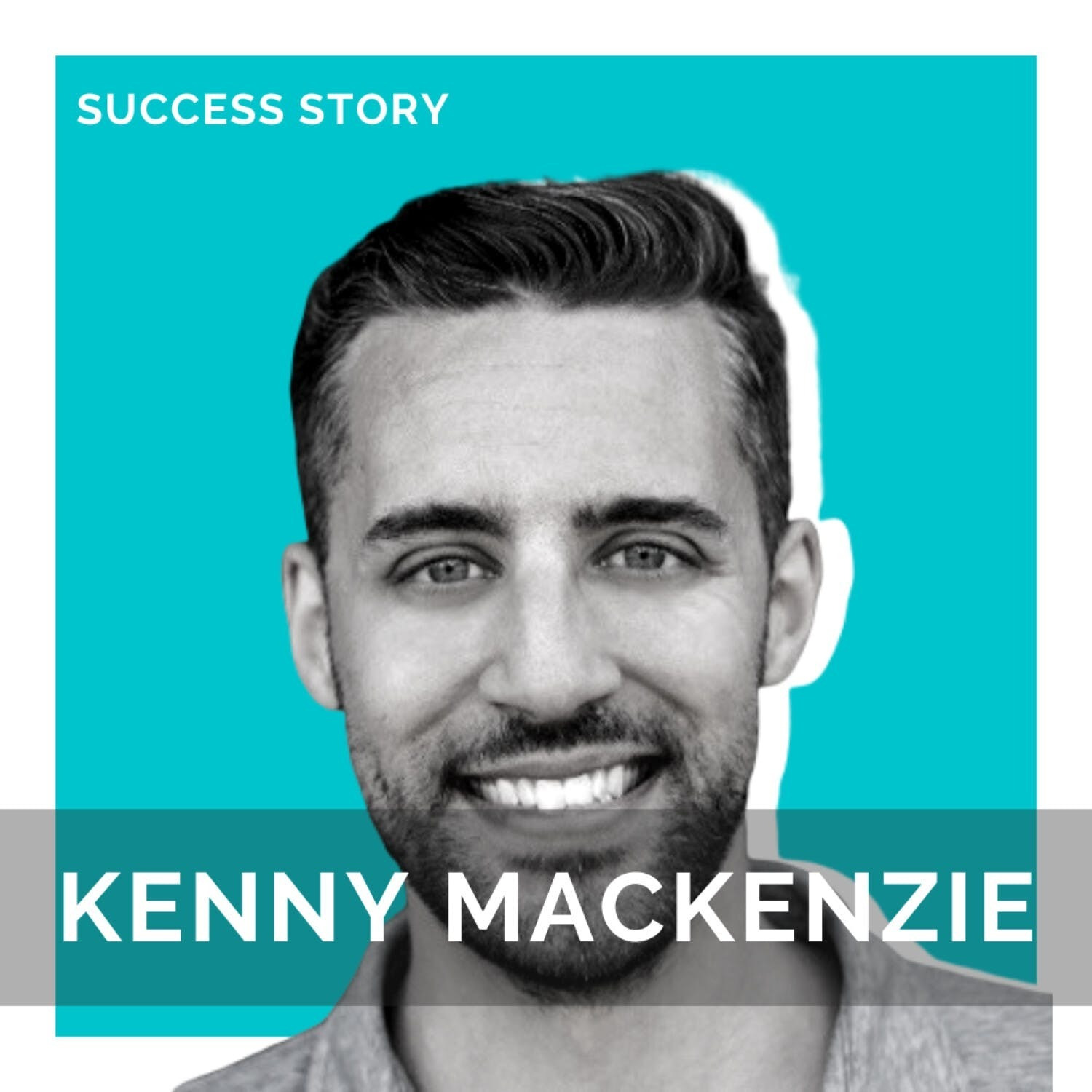
In this week's podcast, we sit down with Kenny Mackenzie, Chief Product Officer at Predictable Revenue. Kenny is a pillar of innovation at Predictable Revenue, helping lead the development of their products and services. He is also a sought after speaker, making appearances at international sales and technology conferences.
Show Links
https://www.linkedin.com/in/kennymackenzie/
Our Sponsors:
* Check out Factor: http://factor75.com
* Check out Factor: http://factor75.com
* Check out Justin Wine and use my code SUCCESS15 for a great deal: https://www.justinwine.com/
Advertising Inquiries: https://redcircle.com/brands
Privacy & Opt-Out: https://redcircle.com/privacy
The only podcast you need for your business, let's do this. Welcome to the sales versus marketing podcast, I'm your host, Scott. Join me as we explore and demystify the latest trends, technologies and strategies used to achieve massive growth and 10x businesses. I'll be sitting down with sales, marketing and business leaders, dissect what's work for them, dispel myths and deliver actionable insights that you can use to ensure repeatable, sustainable and predictable revenue in your business. Welcome to the sales versus marketing podcast where we speak with sales, marketing and business leaders. I'm your host, Scott and I am super excited today to be sitting down with Kenny McKenzie, who is the chief product officer at predictable revenue. Now if you are in sales or if you're just in tune with all things sales and marketing and business, you probably heard of predictable revenue, whether or not it be the term or the book or the organization where Kenny works, predictable revenue was founded by Aaron Ross. Now Aaron Ross is a little bit of a legend in the sales industry in sales circles. He was the individual who was responsible for building out salesforce.com's sales framework. So he built out a process called cold calling 2.0. This essentially helped increase salesforce.com's revenue by over $100 million, recurring revenue by over $100 million, which Aaron Ross then used to write the book, predictable revenue, which helped companies understand the process that he implemented at sales force as well as also build out the organization predictable revenue, which now acts as a consultancy service to help organizations do the exact same thing. So predictable revenue obviously acts as a consultancy, but they also help find product market fit for products, unbundle and unpack what companies have done and rebuild out the entire sales organization from the ground up and really just act as an outsourced sales department sales expert sales business unit, whatever you want to call it, they're incredible at what they do. Now Kenny, Mackenzie is the chief product officer at predictable revenue. So Kenny is a serial entrepreneur. He's had several successful businesses founder and CEO of businesses that he has started in the past. He has moved from various advisory roles to high growth successful startups before signing on full time as chief product officer at predictable revenue. Kenny is not only responsible for the continued ongoing success and growth of the organization, but he brings a very, very interesting lens through which he views sales and insights that can help companies truly find proper product market fit and an exponentially scale. And he does this and this is shown through the products and services that predictable revenue now offers to customers. So I really, really hope you enjoy this interview. This was an incredible interview and Kenny was a wealth of knowledge. So grab a pen and paper, sit back, relax and let's learn a little bit from Kenny Mackenzie, chief product officer at predictable revenue. Thank you again for listening to the sales versus marketing podcast. Today I have the chief product officer of predictable revenue, Kenny Mackenzie. So Kenny, thank you so much for joining me. I'm really excited about this. I think we've all, if you're in the sales arena, you've heard of predictable revenue in one way, shape, or form regardless of whether or not it's a book or the company or whatnot. So I guess give us a little bit of a rundown of what predictable revenue is and then we can sort of dovetail into who you are and what you're doing. Sure. So predictable revenue is basically a company that helps people with outbound sales development. So we help people do it themselves and or will do it for them. And that's basically everything from developing the strategy that you're going to proceed with, like the market strategy to the execution. And you know, from when it comes to execution, it can be, you know, what channels do you use, like how do you write your messaging and all those sorts of things, but it's also how you build your team and how you, you know, onboard your people, how you recruit, how you do performance management, pretty much everything to successfully fill your pipeline with outbound sales. So where did predictable revenue come from? Go ahead. Yes, sir. Yeah. So it's kind of an interesting story. Aaron Ross wrote the book in 2010, following his experience at Salesforce. So he was a pretty early hire at salesforce.com and helped them develop their outbound sales development force and basically established sort of their standards. And you know, that's where he had discoveries, like, you know, basically the transition of doing things like cold calling to switching over to email as an outbound channel back then that was pretty novel as well as splitting up the roles of a sales person into things like a sales development wrap and a sales researcher. So like more role specialization and more of like sort of an assembly line sort of system and in sales. And then he wrote the book in 2010. And you know, it was fairly, it was quite a successful book, of course. And meanwhile, when the other co-founders Collins Stewart was building a company, basically building a CRM from the ground up a few years after the fact, struggling to basically commercialize that and finding it easier when he spoke to his clients to basically just help them with sales development and basically doing outbound sales campaigns for them kind of as a way to bootstrap along the way. And then that ended up just becoming its own company. So he kind of let go of the whole CRM plan and just stick to building a software that would help with automate, you know, automated and streamlined sales development. And then I forget when exactly, but I think it was around 2014 or so. I guess actually before that, Colin had been reaching out to Aaron and you were asking for advice and sort of like howling them on podcasts and just kind of falling around, you know, asking questions and stuff. And you know, long story short as they ended up merging into one company. So that so I actually didn't know the second piece. I didn't know I know the story of Aaron Ross and I think that he's almost like a little bit of a celebrity in the sales world, right? But I didn't realize that that was the collaboration of the two coming together that eventually formed the company predictable revenue. Yeah. So like the actually like doing the outbound sales as a service and like do it, like we basically do sales development as a service, like that aspect came from from Colin Stewart and sort of him, you know, just doing the usual grind. And and then basically combining Aaron's experience and sort of wisdom in the space with Colin's hustle, you know, kind of goes to where we are today. And where are you today? Where is predictable revenue? You know, even like terms of team size, ARR, whatever you feel comfortable sharing. Sure. Well, team size, I think we're, I think we just crossed 40 employees. We are based in Vancouver, California, and I mean, technically we have someone on Ontario and also Mexico. We have, we're in two different cities in Mexico. So we're spread out quite a bit. And yeah. And I'd say like, you know, I think I don't know if I should share from it from ARR perspective. Yeah, I think I'll leave that out. I don't know if you want to edit that out after. No, no, that's fine. I don't mind that you guys are private. I was just sort of getting the idea of the scope of the company. Do you have any, so for people that don't know the company to sort of put a little bit of perspective about it, do you have large clients that you're working with now that we would know, like names that household names? Probably not. No, most of the, like our sweet spot is basically like midsize firms that their deal size is 15K and up. I mean, we've used to say 10K, but I think, you know, with sort of just the economy of all the inflation and whatnot, like these days, it's better to go a little higher. Yeah. B2B, of course. And generally, like they have a, like a reasonably new offering that's like somewhat novel in the market. So it's an exercise of really informing the market. So there's already pent up demand. There's people who want progress in a certain area. And there's this new product or service that can help them make that progress. And we're, you know, bringing that to them. And that's kind of what I wanted to get out. So I wanted to sort of put a little bit of context around who you actually are targeting, because I want to sort of circle back to how you help these companies that are more a little bit more early stage and what you see they need the most. But we can sort of go back to that later on, because that's probably going to be part of some of the services you provide and some of the expertise and guidance. So I think that's really important. Yeah. Because I want to, I want to sort of get some lessons learned out of working with some of these early to midstage companies. Because I think that the ability to take a product to market and to be a consultant in an early to mid stage requires a much more robust skill set than sort of going into a finite business unit within a large corporate environment that already has all their processes and procedures in place. And maybe just, you know, doing some very, very targeted sales training. Now that could be a little bit of an assumption, but I think that it's a lot more moving parts that you have to sort of take into consideration when you're working with a small organization, because I've personally worked with some and it's a lot of work, a lot of work, a lot of things going on at once. So that's it. Yeah, I think like there probably are some brand names that people recognize actually now that I think about it. Like we've been working with Red Hat recently. I'm sure there's others, but to be honest, like, yeah, I just like they're not all coming to mind at the moment. And also, you know, some of them will have agreed to case studies and stuff like that in their own website. And some, you know, are we're in process with them and I don't know if it would be appropriate to share. No, that's totally, that's totally cool. I totally get it. So let's, let's, you know, go back into into you. Like, who's like, who's Kenny? What have you done? Like, and how did you, how did you get set up with the predictable? Sure. So my background is I started a company and it basically, it originally started as sort of as a bootstrap like way. I was just basically doing software development, consulting. And so like my background is actually as a developer. I did that for a couple of years and sort of grew up to the point where I'd grown by myself. I had sort of more work than I could do myself on my own. But I didn't want to just develop a service company. I wanted to develop a product company. So at the time, there's a lot of hype around wearables, particularly Google Glass. It was actually before the hype. It was sort of I saw the hype bubble coming. And I funny enough, I got the bone of the base of the first Google glasses to kind of like become public out in the world. And at the time, everyone's super curious about it. So we got our hands on it. And long story shorters, we, we developed a company that, or we built a company that developed software for wearable tech and helping industrial enterprise. So our sort of vision was, let's, you know, bring superpowers to sort of the industrial worker. And you give them access to more information, give them, you know, better communication, that sort of thing, hands-free communication. And so we worked on that company for a number of years. And ultimately, we struggled with the product market fit side of things. We did a lot of, you know, we did almost, we did over a million dollars in revenue, spread out over a few years. And they're all pilots and things like that. But we sort of struggled to get to that next step. And there's a lot of reasons for it. And, you know, I've learned a lot from that experience, but ultimately what happened afterwards is I realized I really want to understand this product market fit thing. Like, I don't want to, like, I, following that experience, I learned that, you know, the average success rate of a product start up, really launching a product in any context, is about 5%. And so I thought to myself, I'm I going to do this 20 more times before I'm successful, and still maybe not make it, or am I going to like really figure out what's going on here and sort of hack the odds and be able to, you know, increase that chance. So that maybe I got a 50% chance or something like that instead by cutting through sort of the randomness and actually understanding the first principles. So I kind of went on a quest to understand what are the first principles of product market fit. And I did about nine months of research into that and then started consulting. Is that your own? Yes, okay. Yeah, I just on my own. I first I did a lot of like experiments, like kind of testing different sort of business model ideas and things I had like around that space, helping startup founders, helping product managers with product market fit, trying to like test my boundaries, I did like 100 and some odd customer discovery interviews over about nine months, and kind of packaged all up into a research report, which is, you know, I shared with a couple of people. It's a little bit personal, but you know, there's someone who's really interested in I'm probably willing to share it. And that's really impressive work, man. It's a lot of effort, yeah, graduation. Yeah, and then I got into consulting and started working with Predictable Revenue, sort of in a product manager capacity. And I thought it was just an incredible place for me to like they have a great culture here around sort of entrepreneurship and taking initiative and, you know, kind of picking your own responsibilities and things like that. So I got the opportunity to, you know, come in as a product manager and then sort of just, you know, roll with kind of how the company was evolving and sort of evolved into more of a service manager and then eventually sort of took on responsibility for how we develop our services, how we sort of develop new services and also keep our services up to date and sort of like how we manage our innovation. So the, you know, the, I also manage our director software development. So like, what software we're building to kind of support our services. So the title chief product officer, it's more like the chief service innovation officer or something like that. Well, I was curious because you're a born developer and you built your own, you built your own like SaaS solutions or whatnot and you've, or, and a variety of different tech solutions. And now you're working in something that seems to be like a service, a service for almost like a consultancy, but obviously you have like software solutions on top of that. So I'm, I'm curious how I'm trying to think the best way to phrase this question or this statement. How somebody with a traditional developer mindset that's very like logic driven and process oriented, how did you find working and building out sales processes? Did you find that it was something that came naturally to you or did you find that the traditional personality that's in sales doesn't see eye to eye with somebody who is more logic or process driven? I'm just sort of curious as to your take on that because I don't talk to a lot of developers that were originally developers shifted into like a sales consultancy position and you're obviously managing the whole service and you mentioned service and product portfolio for predictable revenue. So I'm just wondering what your, your take is on that and if there was like, I guess lessons learned as to how to, but a bridge that gap. Yeah, so I mean, like a lot of reading, I think I read about 60 books over the last like two years, not all on sales development, but you know, definitely a handful of them. And so just kind of, it's consuming all the theory is like a big part of that. So that helps me build sort of like a mental models, like sort of places to put the information. And again, like I was really trying to understand the first principles of product market fit. And you know, kind of, it's funny. It's a pretty minor thing, but like one of the sort of inflection points in my story is a friend of mine recommended this book called a competing against luck by Clayton Chrisichan. And you know, it was one of those books I read. And but it was one that kind of like, it was, it's about jobs to be done theory. And at that point, you know, I was really kind of struggling with what's going on here like with my last company. And it kind of, it went click for me. And you know, I've been, I've done a lot more, like I've done a lot of learning about market research and things like beyond that. But there's something about jobs to be done theory that just really helped me understand these things. And so I've been basically applying all those things I learned during that sort of research phase to sales development, like merging the two things. So first I learned about sales of development and I learned about the first principles of a batter or at least the current best practices. And then sort of I tried to apply the first principles I've been learning about product market sort of fits and sort of the theory behind that. And like essentially like what motivates people to buy things is like what, like, yeah, what motivates people to buy things. And that's what jobs to be done is kind of is is it's like, there's kind of, it's it's almost a coin with two sides. Like on one side of it, it's how to make things people want. And then on the other side, it's sort of like how to make people want things. And so at, you know, I got a particular revenue, like when I first approached it, I really want to understand how to make things people want. And I particular revenue, I've been sort of using what I learned to, you know, actually help make people want things. But you know, that's maybe it's sound like really what it is. It's it's associating what a product service can do with what someone wants to do and helping connect those dots in a way that, you know, if they get everybody wins. So that's kind of our philosophy here or at least mine. I think that the reason why I was sort of bringing up that point about how you sort of transitioned is because I think that what I've seen at least personally is a classical issue that that sales individuals have selling to more technical individuals is they can't bridge that gap of the of the way that an individual processes and consumes information. And to be able to reverse engineer that, I think is a huge value ad when you're going in to help a company build out their sales force because I think that a classical sales individual definitely has a little bit more of an issue just from a personality point of view, selling to like a CTO director, IT, whichever. Yeah, I mean, I think like it's funny because in the early days, you know, I started out basic as a product manager managing our software team, directing them what to build and you started talking about, hey, why don't we have a service service that does that or, you know, what if our service did this instead or what if we stopped doing that and, you know, because what basically my role like are my users that I was trying to serve where our service providers like our consultants. And so they were my user. And so after at a certain point, I started realizing, okay, but the customer, like our users isn't really the customer. Like, I need to, it was actually a really interesting, you know, dynamic from a product manager perspective because I, I couldn't just look at the users and kind of optimize what they wanted to do. I actually, it would be because then I'm sort of, it's a local maximum problem. Like it's a local optimization problem without looking at the whole company. So I kind of took a step back and realized, okay, my role would be, I'd be better searching the company if I look past just what the users want to what our customers want. And then sort of took some responsibility for what our users are doing and then made that easier. So like, what should they be doing versus what are they doing and make what they should be doing easier. And then my sort of knowledge around the product market fit theory helped because one of the challenges that we face is, you know, we bring in new clients and then we have to unpack their product market fit. Like we have to unpack who are their customers or who are their potential customers? What does their, you know, progress service do? How does it help them? And, you know, often our clients, like the reason maybe they're hiring us to help them with sales is because they haven't figured those things out. That might be one of the reasons why they're struggling or maybe they just haven't even started. And so getting really good at that and really fast at that and being able to sort of like build processes and systems to be able to do that, like in a scalable way or at least in a repeatable way, predict, like a, yeah, predict this exact, yeah. You know, it's been sort of largely my focus and sort of developing services that support that or building that into our existing services. And I think that like the sort of systematic mindset, I mean, those early days, like I would get roped in a lot into like, can't like where we had like one of our service providers that was maybe not happy with how the campaigns were performing for one of our clients that were selling a very technical solution. So, you know, maybe they're selling like some database automation software or, you know, something for DevOps or something to manage big data or, you know, all sorts of different solutions we had, you know, one that like would automatically generate APIs. And so, you know, our service providers wouldn't necessarily know how to speak to that audience just like you're saying. And so they pull me in and I help them and we would kind of come up with creative ways to talk to that audience. So, yeah, there wasn't a component of that, but I think that at the end of the day, you know, you really basically have, it kind of boils down to, you know, are you, are you bringing someone, are you bringing something to the person that they want? And then are you credible enough that they'll believe you or they'll listen to you? And there's kind of two, and I kind of default to the logos pathos ethos like, you know, time old way of looking at it, which you know, you basically have sort of the credibility of your character. You have like an emotional appeal and you have sort of a logical appeal and technical people like logic. So, you can lean heavier on the logic appeal for them. Whereas, you know, depending on the persona you're reaching out to, you might lean more on, you know, look at the results. We got someone out or, you know, some sort of emotional appeal like, hey, I read this post and it really inspired me or something like that. So, there's all these sort of like when we break down, when we reach out into someone and outbound sales, like what are the components actually going to that message and like we kind of really thoughtfully craft each one. And it really, to me, boils down to either it's like relevant to what the person wants or it's sort of like building equity in our relationship. So, you're kind of going in that direction. Anyways, which is, which is what I wanted to speak about. So, what does, what is the total summary of what predictable revenue can do for somebody? And the reason I want to go into your product offering and your service offering is because it's all focused on helping sales, driving revenue, just optimizing what a company already has. So, you mentioned a couple things, but let's just go over like the broad scope of everything that you guys can do. And then we can sort of go into what's most effective in certain scenarios for companies and sort of like, I guess, top take ways that you've learned for your core clientele. Sure. So, broad stroke is we do, you know, we help people find successful sales development. So, basically we help people fill their sales pipeline using outbound sales development. And, you know, when you look at the gamut of marketing and sales activities that are designed to fill the pipeline, you know, primarily we're operating on email and sometimes on social media usually linked in and we're doing cold calling. Like, that's the majority of what we do. So, you know, you compare that to something like paper click ads or, you know, like another, what another marketing agency might do. Like, that's one of the differentiators or one of the sort of things that makes this more specific and we're, but we, you know, we help people in two different ways. We either, basically, we'll go in and help them sort of diagnose what's not working with their current situation. If they already have the sales development team in place, we'll basically help them fix it and get it running like best practices and producing results. Everything from, you know, are you targeting the audience right off? Sorry. Are you targeting the wrong audience with, you know, right or wrong message, like basically getting a strategy nailed down to actually like optimizing the execution of the team and making sure like the right metrics to being tracked, you got your dashboards up, you got the proper role specialization, you got the right compensation plan in place. Like, really, if you want to build your right, your, your own team, we will make sure that you're doing that to the best possible track like that you can. And, but that's, you know, that's one half the business and it's for the, in terms of like our revenue, it's the smaller half. The larger half is we, it's sales development as a service. So basically we act as your sales development function. And so we basically just book meetings into your, your account reps or your account executives calendars. And yeah, and we act as an extension of your sales team. So, you know, we'll meet weekly and we'll, we'll have a craft the strategy, we'll craft the campaigns, we basically do everything for you. We do write all the copy and, and then execute and, and book meeting meetings into your team's calendars and, and, you know, obviously have an iterative loop where the meetings like aren't right. If you're not getting the right pers prospect or not like set up in the right context, we, we constantly iterate. And we have like a variety of ways of delivering that. We also have a service that we call outbound validation. It's very new. It's actually service I developed that, you know, we've actually have had a lot of help with the team on. So I can't take all the credit Rob Hevers done a lot of great work too. So shout out to Rob. But it's, it's basically a way of like, what we do is we create like a theory about a variety of market segments. And we create like a, basically, it's like a psychographic theory. So we essentially say, we think that this specific group of people, like these titles in these companies that have maybe anything that we can target, anything that like we can dig up in it from a data provider. So like any targetable attribute basically, we think that these targetable attributes will be correlated to these wants. So we think that they'll want these things. And it's not about wanting a product. It's about wanting some contextual progress. It's like wanting to get a job done or wanting to accomplish a goal and facing some obstacle. I mean, that's how we think of customer pains. It's like you have a goal or some contextual progress you want to make and you're facing some sort of an obstacle is preventing you from getting there or making it harder than you wish it was. That's what we are trying to find. And so we create theories of these and then we break them down to the like explicit hypotheses and we test them and we'll test them as fast as we can. So we launch like up to 40 unique campaigns in two months. And what we find is that the results are almost always like a power law distribution. So in other words, we come up with all these different ideas of like groups of people to target and like ways to start the conversation with them talking about what we think they want. And usually like less than 10% of our ideas will produce more than 90% of the results, like the meetings book or the pipeline. So what that tells us is that, you know, like basically you got to iterate and you got to try lots of ideas. It's like A.V. testing, but it's like A through Z testing. It's like we just sort of like it's not that we're blasting all the people to the same message. Like we're crafting very specific personalized messages along the way, but we're doing it like at a very large scale. So we're kind of like scanning the market almost with like these personalized message messages. So that's a really it's a really cool product. And I don't think that a lot of I don't think a lot of companies have the resources and the capability to do that effectively for their outbound sales method. Like they do it with traditional marketing, right? They'll do like the AP test ads or they're I don't think I've never heard of somebody doing that at scale outside of maybe doing, you know, like two potential email writing two two different copies of emails and seeing which one has the higher response. And that's about it. Yeah. Yeah. So we'll do that, but we basically realize, hey, if we're going to learn this like if we're going to get over the hump with a client of understanding what it is that their target market wants, we need to like 10X sort of the volume of ideas we're testing. And so yeah, it's very much like I mean, I've done adwords before and things like that like paper cook ads. And it's very much like setting up like a whole bunch of ad ad words like Google adwords or whatever, you know, you come up with a whole bunch of different ideas. You put them up there and then it pretty much just optimizes towards whichever ones are converting. It's like that only the cool difference here actually that makes it really uniquely valuable even for marketers is that we aren't just like tracking whether or not someone clicks, we're actually getting qualitative responses from people like they're actually replying to our emails and telling us things. So even if someone says like maybe or no or like every response we get, we classify as either positive, neutral or negative. And then we have like a secondary set of classifications where, you know, it would like the more specific context around it. So, you know, neutral might be like, hey, I'm looking for more information or, you know, this is interesting, but not right now. Check back with me a few months or, you know, like, thanks. I've collected your information, but we're pretty happy with the current vendor right now. So it's like there's might be an opportunity to try and go back and take deeper. You know, neutral is of course like not interested. That's sort of, or sorry, negative is like not interested. That's sort of thing. And positive is, you know, they maybe they asked for more information in a far more sort of like excited sort of way or even like tone of the reply, right? Like that could be exactly yeah. And so we're just classifying these things and then we summarize all the results. And so, you know, certain campaign ideas will produce more positives. And, you know, and we can find things like, yeah, we learn all sorts of things based on those quality of answers. And it also informed us because they might say something like, oh, you know, no, I don't know what this is about, but you should talk to so-and-so in this department. And then they might give us an idea for a different job title. And then we go, oh, we didn't know about that job title. And we go and look it up in a data provider at LinkedIn or something. We're like, holy cow, there's 4,000 people with this title. And then we realized that's the people we should be targeting. So we get this qualitative feedback. And in addition to the quantitative that you wouldn't normally get with like a paper click ad sort of really broad sort of sort of so baby testing that helps us navigate through the uncertainty and find where is the sort of market fit. That's why that's why I see so much value in your experience as somebody who was more like that's so it's all coming together now because this is a product that you were sort of championed obviously there's other people that supported it. But the things that you did in your own company and then the things that you did after the fact when you're speaking about like this research study that you put together now you're now you're really just applying that to to sales. And that's really what has, you know, I'm sort of speaking and putting words into your mouth. I'm just sort of like contextualizer people that aren't as heavy on on the product side. But this is really what you're doing. You're just making this process so that it's it's very easy to understand behaviors outside of just outside of just throwing stuff at a wall and hoping it sticks. So now you're now you are like you mentioned like now you have qualitative be like data points that actually are tied to like they're tied to sentiment as opposed to as opposed to just like you know CPM or CPC or something like that. Yeah exactly. That's very cool. And you go ahead sorry. Well I was just going to say and like that service like is really designed to help nail down who what's the right what's the ideal customer profile like who are the right what's the right segment of the market to be focusing on at least right now like the lowest hanging fruit. And what should we be saying to them to like most efficiently start the conversations. And that's just like that's your strategy basically. And then we take that and we will stack more channels on top of it and we'll like execute on it. So you know but it's kind of a precursor if we what we've learned is that like if you don't if you don't get that right then no matter how well you execute it's sort of like you're multiplying zero. Yeah you know like if you start with like a 1% conversion rate with sort of a sloppy execution and then you nail the execution you multiply that significantly. But if you start with like a 0% conversion rate or like a really abysmal conversion rate because you're not really you don't have the strict right strategy not talking to right people with the right message then you no matter how well you execute you're going to basically just be throwing money out the door. So you're like you're codifying a product market fit. So what that's really really interesting and that's a really cool service and I've never heard of anything like this. I've heard of people that obviously do like act as like an outsourced sales in a variety of different capacities or obviously lead generation to some example never something that you do what what is your feedback from customers that have used it or have is it is I don't know how new it is so I apologize if it's very very. No problem. No we started in May and you know the first couple clients we did it with like we were sort of figuring out as we went and I'd say it really kind of started solidifying in like June, July. I think we've had five or six clients complete it so far and I think more than half of them have gone on to continue working with us in a larger capacity. One I know was extremely like I actually did the exit interview and they were they felt that they I think the NPS was like nine or something or maybe like it was really high but and it was actually a little bit surprising because what we found like they got some traction and some of the ideas we had but the problem was the deal the market segment that was like mid to lower market and the deal sizes were too small. So we found that there was essentially we didn't find a viable like ROI sort of strategy for them like basically the cost requiring customer versus like the margins on their product or service was didn't work and so at the end we basically invalidated that we could do sales development for them which is kind of the point. Yeah I'll find validation but I just yeah so that client didn't end up continuing to work on us but they work with us but they basically went and said we got to go kind of reevaluate our business and if we can address that is so that is so important for an early stage company because you know you mentioned it and it's even a problem that you saw in your first business where yeah you got a million you know revenue booked or or build whatever in over a course of so many years but is that is that a scalable business is that something that can truly you know 10x like get to 10 million 50 million 100 million whatever your exit is and it could be that the like the numbers just don't work yeah and so you know the most the ones that I'm actually most excited about are are like near the end of their end agents right now so I'm really hoping that you know I'm sure that I'm quite confident they're going to be happy to give us a case study I'm sure we'll get at least one or two case studies out of that but like because we keep getting better at it right and so I think yeah I think we're up to like we're on our like eight to nine client now doing this and I think we just kicked off our night if you validate this if you if you can continue to validate and and get better at this at this product you're going to have like a investor is venture capitalist family office they're all going to knock it down your door because now you have a way of finding if the company has a clear path of revenue or not yes well we work a lot with private equity firms like it's big like we've been we've been working with private equity firms actually before I joined the company and not just in this capacity just because we're when you do have a product market fit we're so good at executing I mean historically that we're you know you basically just you give us a strategy that works we'll execute on it and we'll just like fill your team sales pipeline with leads like we've we have some clients that you know we've generated like like like over a hundred meetings a month for and things like that they're not all like that yeah but you know most of the private equity clients that we get are because they've done their due diligence yeah usually the clients that you know are more on the struggling side or it's because they don't have the product market fit sorted out so but yeah so we're hoping now that that'll basically expand our opportunities to work more with sort of the series a series b stage companies that you know aren't necessarily like as robust as a private equity sort of play in terms of their knowledge of their market and that things like that but still help them see comparable success like that's ultimately what we're working towards and and do you have out of the out of the few customers that you've worked and and sort of actually executed it or or implemented this this product for do you have best I guess best practices for what works and what doesn't like what should companies be looking for very high level like agnostic of industry I'm sorry can you like context so so when somebody's looking for a product market fit you're validating certain components of what works and what doesn't agnostic of industry what have you seen is something to look for in somebody who is like maybe an early stage a bootstrap or series a well I mean there's probably market fit is like quite a beast of a challenge and like it's the biggest challenge is the thing that knocks down startups more than anything really and they might say oh we ran out of money or we had a disagreement with the co-founder but there's so many examples of companies that nailed the product market fit and they you know they're one of the co-founders slept with the VC and they are constantly at each other's throats and the con the product's constantly crashing yet somehow they're still successful it's because it kind of goes back to the market and recent post of original like legally originally a fine product market fit it's like the market pull is a thing that matters so but it's really difficult and so I think that to answer your question like that's a kind of a dancer it succinctly is challenging but I'll do my best okay I appreciate yeah so basically I know it's a huge question I just I just want to know like because you see so many data points like you must start to see trends about what people should at least look for I'm not saying they should definitely try they shouldn't try this to do this on their own they should go and hire you but I mean oh no yeah yeah and I wouldn't even suggest that there's gonna be a lot of companies that we wouldn't be a good fit with yeah you know B2C for one or just B2B that has a smaller deal size yeah but anyways so basically you know there's I forget the guy's name I'm drawing a blank but basically there's someone who put together the survey where essentially if you you know you ask people like how like how upset would you be if we if our service no longer exists or a product no longer existed and I think it's if it's like more than 40% say that they'd be like really upset then you kind of have product market fit so that's like one way of looking at it you know the market in recent way of looking at it is basically like if you it's like if you can't if people are coming to you faster than you can like keep up with like onboarding them you can't you're drowning in support requests you can't keep your servers up because like you you're like your sort of usage just way beyond anything you'd scoped for and so your service keep crashing you can barely keep up money's coming into your bank out faster than you can like spend it and you're like oh my god every time you look at bank out there's more and more money in it like that is their definition of product market fit um or his and um but I mean like those things are kind of interesting indicators of like if you get there but like how the question is how do you get there yeah that's the hard part and to me like I don't know like to be honest like I don't I'm I when it comes to this question I still have a bit of imposter syndrome because I've spent so much time studying it yeah I actually realize how much I don't know so I'm gonna I'm what I want everyone listening to kind of take this with a grain of salt because it's funny because even you're you're self-aware of what you know what you know what you don't know but you're still probably more knowledgeable than most people listening to to what constitutes a good a good product market fit or if you're on the right path yeah but I am mindful of um like the Dunning crew grew affect yes you know the knowledge is a dangerous thing so you know I I think what I'm just going to share here is going to be constructive um I'm pretty sure but I just want to say that there's probably some you know Syrian entrepreneurs gone VC out there that know like way better than I do so um the way I look at it is you know it starts with a qualitative understanding and then sort of it and then evolves into more of a quantitative understanding and so the very first thing you really want to be doing is you know isolating trying to isolate a group of people who are all trying to do the same thing but I want the same thing and the way I think about that using jobs to be done theory is like you know they're all trying to get the same job done and for similar reasons in us in the same context or very similar context and the funny thing is you know as a marketer you tend to look at things like you know demographics from graphics like like all these but it's it really boils down to like what people want and so it doesn't matter all these demographic attributes that people look at like those are just sort of like proxies for the actual thing that matters which is what do they want so um so that's number one is you got to find a group of people who will all want the same thing and the easiest sort of best way to do that frankly is having conversations interviewing them and not and then and and doing it right like there are all sorts of traps like you want to avoid cognitive biases so you got to approach this like a scientist like like an investigator it's like you think that there was been a crime where you know all these people have been wronged in some way and you're trying to you're trying to like investigate the culprit like who's who's causing all these people all this pain right you can't go into it being like I want them to like my idea yeah so you got to like leave any ideas you have behind and really just trying to understand like what does this group of people want and then and then work from there towards a solution and uh it's like Ash Maria is like really good at sort of uh articulating like uh he he he's gives this analogy you know um when it comes to startups or building new products it's like you got a you got a door like your market is like a door with a lock on it and you're building a key and so what most people do is they'll build a key and they'll go door to door to door to door to door trying to open doors like what are the odds that you're gonna just build a random key and be able to go and open some random door that you walk up to I love the analogy that's a great analogy yeah it is I got a great ash Maria for that one yeah yeah if you pick a door and you study the lock and you basically act like a locksmith and then you design a key specifically for that lock you can open the door and um sometimes I think that you know there's also the there's these waves of technology that come right and and whenever there's like a new wave of technology in it so it goes from the like over the uh it's over the hype cycle and it actually gets developed and it's hitting that like plateau of productivity or whatever and it's becoming viable like those that's now there's this whole new suite of opportunities for um being able to unlock sort of new ways of solving problems and so that's like being able to combine those things as part of the equation and so you might discover a real market opportunity but like the way to solve that might not come for another eight years or something yeah especially if you're looking at specific type of technology so that's the second sort of challenge is being a prize of all these things that's why it's so hard is because like so the very very complex challenge yeah when you run into the rest two of the market being too small yeah I mean you want to basically you want to try and pick like a job to be done that sort of a contextual progress people want to make you have a very small group of people who really really really want to make that progress um but if you help them make that progress and you basically make it easier to make that progress more and more and more and more people are going to also want to make that progress yeah so um you basically develop a solution that so addresses an existing really compelling market need for a very small group of people but by doing so it um makes the market grow because with the more people who see oh wow they were able to make that progress I want to make that progress too and so then it kind of like that's a blue ocean market that would be the blue ocean strategy where you're you're technically building your own market yeah yeah yeah exactly and usually when you have like a product flying off a shelf type product market situation yeah a product market situation it's because you're building a new market like it's rare that you're going to go into a really noisy market and do that unless you've got something really novel and compelling that like allows people to make some whole new type of progress otherwise why would they be fucking you if there's all these comparable competitors so very true um and that that's really what I wanted to sort of unbundle because of course from it's always funny when you're so deep and do when you're so deep into a product or or um like a even like an industry it's very hard to remove yourself and and understand that every little bit of knowledge that you have is actually quite relevant to people that aren't as engaged or as involved so I asked you I asked you about product market fit and what you gave over was like perfect like that's really what I wanted to to get people to take away what for you it's like oh this is just like skimming the surface this is like this is like not even like you know for this is not even um it's not even close to actually um really really uh capturing everything that of and of course it isn't but the the whole point is how many people don't even do what you just mentioned where oh yeah right not I wouldn't say it's common practice I wish it was I mean you can you look at play it depends where you look I think there are certain organizations you know in California you know I think about things like tech stars and white denominator and there's like really good quality accelerators that where they you know this is what they preach and this is what they hold the companies accountable to um then again there's a lot of accelerators out there that are founded by people who you know haven't had a lot of success don't really know when maybe aren't keeping up today on the theory and so they aren't preaching that um and so if you are an accelerator and they're not like how and you to constantly be going out and interviewing your customers and things like that you know you might not be getting the best of advice because I doubt like understand like there's this one thing I'm confident is like if you want to have success beyond just blind luck you need to understand your customers really well yeah even whether you're an engineer or you know unless you have someone else in the company is doing it for you as a co-founder or whatnot um but basically yeah you get out got out and talk to people and really understand what they want that's you know that's the that's half the equation and is that do you find um I was going to actually just speak to one other thing that predictable does and obviously that's um sort of unpackaging and then and and optimizing what a company's already doing is that the number one thing that you find companies haven't done properly um just just getting that real feedback or is there other parts to what you unpackage that you also think is like a huge inhibitor of of a company success yeah I mean like okay because our clientele is not necessarily really early stage startups like we tend to work like we're only going to be working with them if they've done some significant funding yeah in some cases they maybe don't have a lot of customers so they are kind of pre like a pre product market fit for sure and and product market fit these days I mean it started I was a very specific thing which was like kind of that that that story I told where you know like the money's coming in the bank out faster bank account faster you can spend it and you can't keep up with the demand and all those things that sort of like the explicit definition that was the original definition of product market fit but today is treated like a spectrum right and so it isn't like there's like clear threshold per se it's like something you work towards but you know using that original definition most companies don't ever see product market fit yet they can still be viable successful businesses so um but what we to answer your question like what we see as like the most common struggles like it varies dramatically um it's often execution specific and it isn't necessarily like some like we get a lot of clients that you know they've tried to do outbound sales themselves and they weren't able to so they came to us uh but we also get a lot of companies that were like you know their their advisor or somebody told them hey we should do this and then they're like well how are we gonna do it they go into research they find us and they're like okay let's just get them to do it yeah or like let's get them to come in and help us build it um so it's not as if they like we're stuck on something and then we help them on stuck it's just you know we decided to work with a guide right from the start um yeah and but I do think that like the earlier stage the company is of course the more the product market fits how things become a problem and so best practice yes is to do lots of discovery interviews and really understand your customers and like models like model the motorcycle graphics and uh you know that becomes your theory and then you go and you systematically test that theory at scale and so you know there's it starts with these qualitative conversations but then you need to basically scale that up somehow like test it at a larger scale and so then you're you're switching from that to you know you basically have two options as far as I'm concerned you have surveys and you have experiments and uh surveys are really hard to get right like they they are certain situations where they're the best to thing to do but um they're they can be really expensive and they can be really really hard to get right and then I feel like there's a lot of most people out there don't really know how to do surveys well consistently and that's me included I really struggled to get surveys right I think the best serving method I've ever come across that was really useful and constructive on a couple projects I did it's called uh something involved in something called uh outcome driven innovation which is like developed by Anthony Awick and it's um very very robust and can be quite expensive so it's a bit cumbersome for an early stage startup it's kind of not practical it's more for like you know Johnson and Johnson launching a new toothpaste or something and they're going to invest like 50 million dollars into it or whatever so they want to like really make sure that they get it right it's great and if we could somehow apply that process to like streamline it and make it more approachable and like more um economical for an early stage company like that would be amazing and that's something I think a lot about so the best the next best thing I could come up with was basically this this um experimentation sort of process where instead of doing surveys you're still creating sort of like model this psychographic model but then you're testing it with sort of uh engagement experiments in the same way that you test like you know the language in a in an in the targeting in an ad we're doing that but we're just doing it to start conversations and then so we get like the the quantitative learning and the quality of learning like I was saying before yeah yeah so it's not really where you want to start it's more so the next the second step as I see it the first step should be interview and customers and we've thought about doing that for our clients but my opinion is that it really should be the CEO or like the founder of the company or whoever's ultimately responsible for the customer success um should really be the person who does those interviews and so I don't know I've toyed with the idea of us doing them but I think that it's just it's so much better if the actual company themselves does it yeah and then once once they have once they have once they have started that process and they and they just can no longer scale it that's when you can bring in yeah the other tools or whatnot yeah like that they if they let's interview a bunch of people and they come to us and they're like okay we think you know this group who wants it for this reason and this group who wants it for that reason and and they you know basically bring all these ideas to us then we can break those down and test them at scale like way more efficiently than they'll be able to do themselves but when it comes to the actual interview like yeah we might be able to execute the interview a little better we might be a little less bias on things like that but we're not going to be like exponentially better I don't think at least and also I just feel like this is something that at least one of the founders in every company should be good at so by doing it for them we're kind of doing them into service in my opinion so yeah that's another reason why I don't really want to do that do you find just a different because I can understand very let me promise so when I first understood predictable revenue as somebody who does work with sales consulting I had no idea and I'm not I'm not probably the best indicator because I haven't personally looked into you as much as maybe someone else hasn't I haven't done my research to somebody who's actually going to hire you and onboard you but when I looked at predictable revenue I assumed like sales consulting so I think that when you assume sales consulting the sales consultants that I've worked with in the past are a certain type of teaching somebody how to do outbound or teaching somebody how to or a converse with cost like there's all these different types of sales coaches but I've never really seen as data driven to practice as yours from any any sort of outsourced sales coach or any any type of company that does it or plays in the same space and what I wanted to sort of bring out from that is what are some of the the worst practices that you've seen from competitors that you would like to sort of like red flag for people who hire sales consultants you know when what what what would somebody say when they're interviewing a consultant to the organization that should make them like run for the hills right um well okay so I didn't I mean there's there's the whole like when you look at sales you've got the front end which is like the research into prospects and to your market and isolating the right people to reach out to and then you've got like starting those conversations so reaching out and like basically getting people into the sales funnel uh and then uh and then you've got sort of the the managing of the relationship and the closing and I think when you when I hear sales uh consultancy they could be consulting at any point in that process and we have done consulting and we can do consulting at the later stages like the closing and stuff because we are good at that stuff but like really our specialty is at the front end or the top of the funnel yeah it's like how did I distillate your market and get those people in your sales funnel on a consistent basis so that way you are consistently hitting your sales goals um and you know and you know and we do like when we do consultancy we we're breaking down breakpoints and things like that around along like uh tracking these things so that you can isolate where's the bottleneck so things like that but so and then my and my sort of focus has been on the product market fit and then the filling the sales funnel so I as I'm not the right person to ask I think when it comes to like if you bring in a sales consultancy to help your close rate I don't really know what would be good or bad and they evaluate that that well there's other people in the company that would probably be able to answer that question really well but just not me um so for me I think I what I can do is I can focus on the sales development side yeah so if you're yeah if you're if a company is basically evaluating hiring like a sales development agency or like someone to help them do sales development um for one like there aren't that I mean okay so if they're a consultancy I'd say the best thing would be just the get case studies get referrals like like ask them for like three customer uh sort of uh referrals and then go and interview those customers and ask them how was the experience what was it like because it's a whole bunch of things it's like did they get the success out of it were they easy to work with you know uh where they did where they reliable and all that sort like there's so many aspects to the consultancy side of it but if you're hiring a sales development agency that's basically going to do it for you I mean for one it's like are my gonna get success so you you could still look at the like case studies and referrals thing but I think there's a better there is another thing that's kind of what you're looking for here so if they if if the agency you're gonna work with is like cheap and so like you're doing it based on cost and and what you're losing if for paying less is you're not gonna get uh copywriting or you're they're just gonna like yeah they'll write the template for you but they're gonna basically interview you or talk to you and be like okay so what should we do on the template and then they just put that in the template um and so if you end up with like if you talk to them like how what's the copywriting process like you know how do we decide who to target and and if they're giving you answers that are very high level and much very much sound like well they're basically just gonna like interview you and ask you and then put it that into the campaign yeah um that would be a concern because like what we do is we we submit me of course you need to be asked like they have to unpack everything you know but what we do is we unpack everything you know and then we sort of mix our experience into that and we will challenge you on like writing a copy like you don't really like the the clients that we struggle with the most are the ones who like want final say on all the copy and are constantly trying to change our copy after we've written it and they're making it significantly worse you know they're taking out the part about what the customer wants and putting in like more about their features of the product that nobody cares about and stuff like that you know and um so if they're kind of going along with that and being like oh yeah no we'll do we'll put whatever in the copy that you want and they're not standing around and kind of using the challenger sale type technique where they're trying to educate you on sales development during a sales process like wow like before you've decided to work with them and really helping you understand like where might you fall down and and like why we do it this way and all those sorts of things like that would be what concerns me yeah I don't think to look out for that's really that's a really really good answer actually um uh uh then I think that I think that I've seen that before in some consultants that I have worked with they kind of are just like a sounding board um and they're reiterating everything that you're telling them and then they're just sort of building out a process around that which really you should be able to do yourself if you're any sort of uh founder or sales leader anyways right so yeah I mean you're just going to get the execution in that case and so if the strategy is wrong you're just going to be stuck with it and you're gonna not get the results you want and you're not going to know if it's because of their execution or because of this bad strategy and you'll probably assume it's because of their execution or you'll just go I didn't work and then you'll go oh sales development agencies aren't trustworthy or they don't work yeah um but if and by working with us I mean one of the things we do it you know depending on our service we're locking you in for months yeah right because it takes time to figure these things out we know that like you're not going to get it on the first try and that's the reason we developed that service we try 40 ideas in two months is because I mean we do a month of workshopping to build up all the theories and everything and then we do two months of campaigning where we do 40 experiments in two months because we know like it's better to do 40 experiments in two months than 10 experiments in you know six months yeah we're going to learn more faster and we're going to get to the right strategy faster whereas like if you hire sales ability agency and they give you like two campaigns there's another they're months to month that's another kind of red flag because that means they're like they're trying to compete on uh getting clients that are not willing to take make the commitment and they're like afraid of taking that risk committing and so they'll basically there's just no way they'll be able to figure it out in a month like unless they get extremely I've seen I've seen I've seen even worse um I've seen people that I've commit to like a session or a day and with no follow up and it just blows my mind how they think that that could ever be successful or or even under I don't even think personally I could understand enough in a day to come up with a strategy let alone understand and then teach over in the same day um it's just it's a ludicrous idea in my opinion but um and I think that the the confidence in your own abilities to lock in a customer for six months and and again challenge them and and say this no this is not going to be a short term fix this is this is this you are building a business with the rest of your life like slow down do it right the first time um I think that's uh incredibly important to to understand um you I wanted to um I don't really I don't really have much more on terms of the the products that uh that predictable revenue actually delivers I think you did like an awesome job and sort of breaking it down and I I really do appreciate it because I think that people that are uh either uh revenue leaders or again like founders I think that um working with some of these outbound strategies that you you've developed now I think can be incredibly important uh and like you said a lot of successful companies uh may not have ever found product market fit um but they may be considered successful but I think I would challenge those leaders and say how much more successful could you be uh if you did use a service like what what you offer that's so I think that um for for this for for predictable revenue and the services I I think that we're good unless you want to add anything else I just kind of wanted to wrap up to understand like a little bit more about you and it won't be won't be much more but is there anything that I missed about uh the services that predictable revenue offers that you wanted to that you wanted to go over um no not necessarily I mean I think I'll just say that like we're we're pretty picky about the clients we bring on um because we've got so much experience doing this and I'll tell you like our culture set up in a way where you know every week we do the single beers and tears uh where it's like at the end of the day of the day and uh you know the things that we're sharing are basically uh you know there's a variety of things if we're dealing with a technical challenge is affecting much of people company that's like a tier but you know the things that usually dominate those conversations are client closed like a million dollar deal from a lead that we gave them or you know this they're up to you know ex pipe line or something like some sort of you know something that stands out uh and sometimes even like if we have a client that you know two months in they close a 50,000 deal with us like that's still amazing to if they got a really short sales cycle um it's not that very size it's more like context and then it or for client struggling and then you know they bring out like I you know I'm struggling with this client and you know I haven't gotten any any meetings in the last like four weeks or something like that and we sort of so for one we really feel that pain when a client's not doing well and so we've scrutinized and scrutinized like what does it take for a client to do well uh we've gotten pretty picky about which clients we bring in so we don't bring in ones that are going to struggle um and also when that happens we kind of pile on a bunch of resources try and turn it around um but we've had situations where even despite all of our best efforts we just can't uh find success and so we'll let them out of the contract early and things like that and it almost always boils down to lack of product market fit which is kind of back to all the other things I shared yeah um and then the only thing I want to say is it's not really about product a pretty cool revenue but it's just like you know the way I kind of look at outbound sales now is that you have like the strategy side of the equation and the execution and um on the strategy side you've got like targeting messaging and channel right and it's kind of marketing link like it's the way looking for marketing perspective and then on the execution side you you know have all the tactics and things like how you set up your team the tools you use et cetera it's like how you optimize the execution and um the the targeting and the messaging uh or I should say so the channels and the tactics or the channels in the execution like you can read books you can go online and learn and like read about what other people are doing you can listen to podcasts like this and you know and learn all sorts of techniques and and and tricks and tools and things that will help you better execute and you know maybe say you know something like oh you read critical revenue in 2010 and you go oh I shouldn't I should diversify away from cold calling and also be sending emails right and then nowadays you might learn or read like oh I should also be like reaching out to people on LinkedIn or I should be like posting videos on LinkedIn or on social media or you know things like that um I should be able to concat uh should be developing a content or should be doing a podcast and you know so they can from a channel perspective like you can always learn from other people but when it comes to targeting and messaging you can't learn that from anyone else it's unique to your business you have to approach it like a scientist come up with a theory and test it and you basically learn how to optimize that through iteration by testing it so that's kind of a message I want to leave with people is I think um half of the equation is about you know just following best practices and then the other half of the equation is about really figuring it out for yourself and um and that's kind of the theory behind how we approach our services that's awesome that's really good and I think that um again it brings it back to best practices to so people can continuously see success in their business I think that a lot of people will get sort of inundated with all these different canals and and strategies to put their brand out there but if you haven't developed what your brand is and your core values and your messaging and your voice and all that um it's just going to be noise and it's not going to be it's not going to resonate with anybody so I think that that's it's super important to do um and understand that it has to be you not not just throwing stuff out there and hoping that it sticks again it's all about doing it thoughtfully um yeah I wanted to I wanted to wrap up just to to help people that are listening um through their career progression uh your your CPO um if you were going to look at yourself when you were like 14 15 years old were you anything were you anything like what you are now um and if if yes awesome but if not like how did you get to how did you sort of mature yourself and grow into who you are um uh okay so when I was 14 I was definitely really lazy so um work ethic was a big one I actually like or way back in my career before I was I mean I was coding for fun as a hobby um but I wasn't doing it professionally I was actually um like I went to culinary school and I was like a fine dining cook and chef for a while so I did about three yeah it was what did about three and a half years of that and so I had like not literally Gordon Ramsay but like a Gordon Ramsay equivalent screaming in my ear whenever I slacked or did anything stupid so it's kind of like boot camp um not that I've ever been in the military but I liking it to that it's like my little like boot camp experience uh it really kind of hardened me and and straight me out and you know give me a good work ethic so I think that was a bit of an inflection point for me um but uh yeah I don't know I think beyond that something you know I didn't used to do what I do more now is like when I went to school uh when I was in school and I don't quite know exactly what high school or elementary schools like these days it probably depends where you grow up or what school you go to but um it was very much like you know teaching you what to think not how to think and um you memorizing stuff and and not really building mental models or like a true deep understanding of how the world works and I think that everyone would be better off if everyone endeavored to try to really understand what's happening and approach things more with curiosity and an open mind uh rather than sort of like anchoring themselves in a specific opinion and like hanging on to that um meditate learn to meditate uh take care of yourself exercise um you know if you're stressed out don't revert to escaping from the world try to uh do things take care of yourself flush the corals of the cortisol of your system going for a run or something like that um yeah basically takes take care of yourself and try and approach the world like a scientist no matter what you do where you'd actually try to understand things so you're kind of coming up with ideas of how you think things work you come you know you you have your own little um theory or hypothesis and then you go out and you kind of test it and you just do that over and over again and do get so good at that you do it subconsciously um and just try not to um be afraid of failing or being wrong yeah like the thing that holds people back the most is being afraid of failing or trying or being afraid of being wrong um and then you know or or escaping from the world when they're when they're stressed out or anxious rather than embracing it and meditating on it very good um that's that's incredibly important advice um thank you for that uh anything that you would what's what's one lesson um that you would tell your 20-year-old self out of everything you just mentioned that uh that was the most impactful just like one key takeaway if you can sort of boil it down you know be humble i really understand what humility is that's good uh i don't know these days i didn't like i read like i'm a big fan of Ryan Holiday yeah so probably read Ryan we read one to one Ryan Holiday's books if you're 20 i think that's probably a good time in your life um and that sort of uh segues into the last thing i want to ask um where do you where do you go to learn what resources podcasts audibles uh people what's your go-to books obviously um yeah i read a lot of books i like watching uh youtube video lectures and uh interviews and podcasts i don't tend to listen to podcasts i tend to listen to books um i mean i listen to the odd podcast but the majority of my listening time is books i usually have three books going one is like you know uh intermittent i'll burn through on a few hours in a weekend when i have time kind of thing uh one is uh next to the toilet yeah and i'll chip away like one page at a time and uh and then one i'm listening to while i commute and um and so that's the majority of the source of it and then sometimes in the evenings i'll unwind and i'll i'll watch a video on youtube or something i know they're usually like somewhat educational um i really like uh like i like learning about like artificial intelligence research and things like that so two channels i really like are um two minute papers yeah on youtube um and there it's basically they they outline like the most recent um research papers that are like really interesting i mean a little video and sometimes they'll include like little like video demos and things like that what it is and it's mind-blowing what's going on right now like being able to synthesize like like you get five seconds of recording of my speech and you can create a synthesis that then you can type whatever you want and i'll say it that's crazy like stuff like that yeah it's just like the world is about to change in a dramatic way and that's like you're sort of uh you know like do how you can see ahead of that is like looking at and another one is i i really like like Lex Friedman um he does interviews around artificial intelligence some really cool ones he like interviewed um uh raid uh raid Dalio yeah yeah yeah yeah yeah um bridge water yeah yeah and he's interviewed like Elon Musk and um some really some leaders and like some physicists and leaders in artificial intelligence research and stuff like that so i like stuff like that just like like he he pizza he's a good uh he's a good source to go to to uh to learn and to just listen to interesting people yeah exactly like i think so he um he's like an MIT professor and he interviews some pretty interesting people and he talks about all sorts of different really interesting topics but he tends to centralize it all around advancement of artificial intelligence and so if you want to like understand how the world's evolving and like what the world's going to look like when ever when AI fully develops um which no one really knows for sure but like we're all figuring out as we go um but if you want to be a part of that rather than sort of like get blindsided by it um those are two really good sources and you know um for people that are for people i i would hope but i hope i hope no one has the mentality that um i don't need to focus on that um because that's not my core business or that's not my that's not my core job function but i i think that um i've bought into this and i i think that it's if you if you learn enough about artificial intelligence and and where the world is heading um you are kind of already seeing that if you're a marketer if you're uh an individual contributor as a sales as a sales rep if you're a business leader it doesn't really matter it's going to impact you regardless so yeah to me i think it's the most important thing happening in the world right now yeah and it would be like uh not it would be like ignoring the internet in like the like 90s or something yeah or like early 2000s like not assuming that that's not going to be a big deal it's like it's probably going to be as big if not a bigger deal yeah no for sure um and uh if people want to get in touch with you where can they reach you uh linkedin would be best just reach out to me linkedin um nine ninety five percent of the connections i'll accept unless they look really sketchy uh and uh you know if you include a message saying you heard we won the podcast or whatever then i'll definitely accept it and you know just fire me a question i'll get back to you soon as i can awesome okay so that's all i got anything else on on your end or is that uh is that good no i think that's good i nothing else comes to mind all right cool so that was uh Kenny McKenzie uh chief product officer at predictable revenue thank you so much man i really appreciate it the talk thanks god that was really fun cheers cool cool cheers welcome to scott's thoughts where we dive deep into some of the topics that we would just discussing on the sales versus marketing podcast so we just spoke with Kenny McKenzie and Kenny McKenzie is the chief product officer at predictable revenue and he had a ton of great insights but i want to uh i want to i want to go deep into two of the things that he spoke about so obviously the theme of this uh if you can pull one out was definitely finding proper product market fit and one of the analogies that Kenny used and it wasn't his analogy um but i am glad he brought it up um was the way that most organizations find product market fit is they have a key and that key is obviously their product or their widget or their service that they're trying to sell and in front of them are a variety of doors okay locked doors and the locked doors all represent customers or personas or different use cases for their product or their widget and a lot of companies will go door to door to door with their key trying to unlock that door and find a fit for their product Kenny through this analogy reiterates that we have to flip this concept this this dogma of how how to find product market fit on its head and the analogy goes like this instead of having one key and going through a variety of different doors let's do this let's have one door we figured out that's the door that we want to unlock and now we're a locksmith and we are going to craft the key we're going to craft the product so that we can unlock that one door and that is so important to remember as a founder of the CEO but i'm going to take it a step further and this is something that we didn't really discuss um but i want to i want to give a little bit of context and a little bit of relevance to people that are earlier on in their career so they're not a CEO they're not a founder they're for example a sales rep a an SDR AE whatever uh they're an individual contributor and they want to understand how this analogy applies to them because the first thing you're going to say is well i cannot obviously rebuild my product i already have the product how does this analogy apply to me and my customers okay so let's let's think about this so your job of the sales rep is to bring this product to your customer and what i think a lot of sales reps do if they don't have the proper guidance and the proper training which i would assume and i've seen personally is in most organizations is they're just going to take their product and they're going to throw it at as many different personas and use cases as possible and this is this is the equivalent of having one key in multiple locked doors so let's take this analogy and understand how it applies to sales rep i would argue that as a sales rep you still have to understand who your ideal persona is and this is something that should be built out between sales and marketing um and once you've understood who that persona is uh then you can craft your messaging you're crafting of your messaging and highlighting the features and the benefits and the solutions to your customer's pain points that is you crafting the key so yes you do not have a hand in impacting the product per se uh you have a built product but the way that you position it the messaging and the features that you highlight and to not just features obviously the way that they solve problems for your customers that will be you that will be you building your key so to speak uh to unlock that door that you want to unlock but you have to know who that target customer is and then you craft your messaging around it and if somebody hasn't done that for you if your organization hasn't done that for you that is something that you can do yourself as a sales rep as somebody who wants to be successful in their in their role within an organization and through through understanding this analogy and through building out your messaging to to to be tailored to your target customer you will be more successful um as opposed to just throwing everything out of wall and hoping something sticks uh the second point that uh second of many points that Kenny spoke about uh that I wanted to go into was the importance of speaking with your customers and getting feedback and again Kenny spoke about it in the context of a founder finding product market fit and the best way to do that is to go and speak your customers get feedback and once you get that feedback then you can if you if you can't scale that uh that sort of that data that data aggregation and and collection process on your own because obviously it's very hard to um to continue to do that as your business scales then you can go higher in organization like predictable revenue to help uh to help continue to optimize your results as you grow however however I would say that the idea of of speaking to customers um as a founder CEO obviously very important and you should be doing that for sure um but as your business grows let's find another reason for why this is so important why this concept if you are a revenue leader your uh director of sales a VP of sales uh VP of marketing and you are going into a role you have tons of experience you're going into a new organization and you're just leveraging that experience and you aren't going into the field at all not all your time but at all to go speak to customers to go get feedback to go uh shadow calls sitting on appointments with your with your uh sales reps and you're just sort of counting on what you've known in the past you will one of two things will happen either you won't be effective or you won't be effective as quickly as you could be so I am a strong supporter that if you are especially a revenue leader I would say marketing or sales you are you are going to customers you're pitching the product you're sitting in on meetings with sales reps you're getting feedback from the customer and you are using that to improve your own understanding of of the regular interactions sales has with customers regular objections and really you should be able to sell the product yourself and when you can sell the product yourself and you know best practices um it's very hard if not impossible to do that without actually selling a deal or to yourself especially as a revenue leader so I think that you should be out there uh you know at the very beginning getting your hands dirty um until you feel comfortable that you know exactly how the customer is going to act and that's when you will be more effective at managing and helping the people that work on your team uh grow and succeed so I think that that customer feedback um you're going to the founder is most likely going to be doing it if they aren't go do it but any executive and any new role take take the responsibility on yourself to go get that customer feedback and go speak to customers and go and go improve your understanding of how they actually view your company your product etc etc um obviously if your sales rep you're going to be doing that but I think that it's much more important to do it as as somebody who's going to be leading sales teams and leading marketing teams and building a messaging to get that honest uh real time live in person uh feedback so those are the two points that I really I really really wanted to to double down on um that was an incredible interview so thank you so much uh to Kenny and that predictable revenue for for joining me on the sales versus marketing podcast um I hope you all enjoyed it uh if you haven't already please hit like uh hit subscribe leave a rating and any rating school as long as the five star rating um you can download this podcast or stream or wherever you can download podcasts so i heart uh spotify iTunes any any podcast platform you can also watch this interview on youtube if that's your style um and as always I hope everyone has a super super productive week and uh they enjoyed this episode of the sales versus marketing podcast we will speak again soon bye now thanks for listening to the sales versus marketing podcast brought to you by roi overflow delivering strategy technology and insights to both sales and marketing leaders and teams globally you